
Seasonal Tire Storage: Keep Your Spare Set Pristine
Switching your tires for the season? Don't let your off-season set degrade. Proper storage is key to maintaining their performance and lifespan, especially for drivers in the Seattle and Tacoma areas.
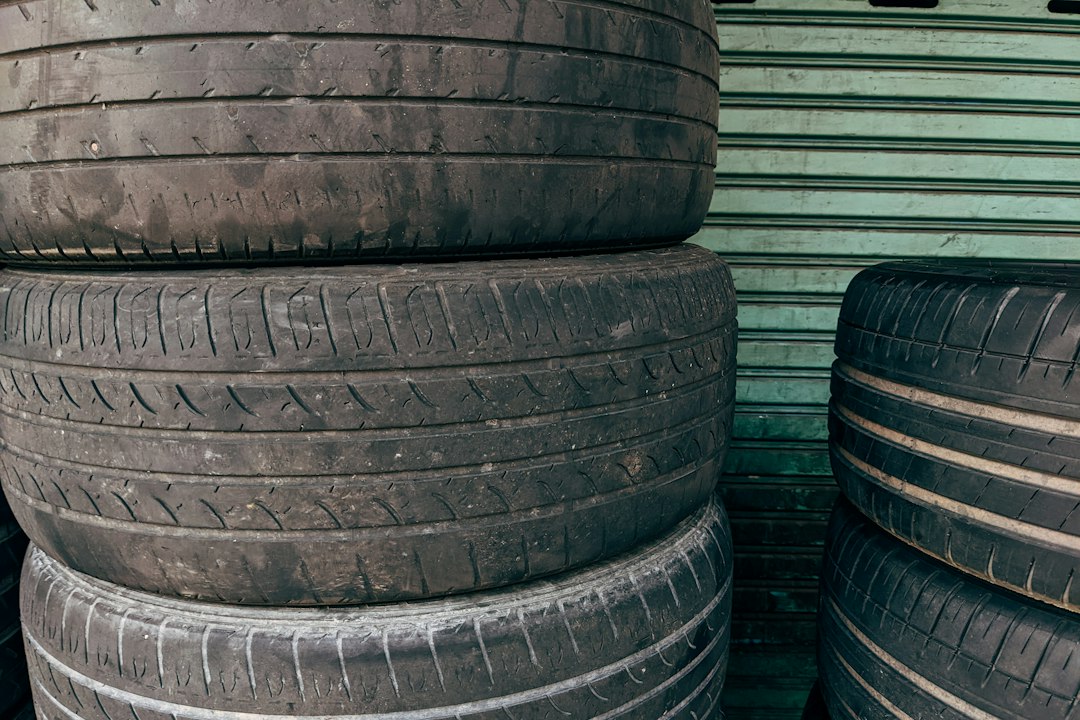
Proper Seasonal Tire Storage: Maximizing Your Tire Investment
Storing your seasonal tires correctly is essential for preserving their condition, ensuring safety, and extending their useful life. Whether you’re swapping summer tires for winter ones or vice versa here in the Pacific Northwest, taking a few simple steps before and during storage can make a significant difference. This guide will walk you through the best practices for keeping your off-season tires in peak condition, ready for their next deployment.
Why Proper Tire Storage Matters
Tires are a significant investment, and improper storage can lead to premature aging, damage, and reduced performance. Exposure to sunlight, extreme temperatures, moisture, and harsh chemicals can degrade the rubber compounds, leading to cracking, drying out, and loss of flexibility. According to the Tire Industry Association (TIA), “Proper storage is critical to maintaining the integrity of the tire and ensuring it performs safely when put back into service.” Storing your tires correctly ensures they remain safe and effective when you need them most, whether navigating icy Seattle roads in winter or enjoying a sunny Bellevue summer.
Before You Store: Essential Preparation Steps
Before tucking your tires away, a thorough preparation process is vital. This not only cleans them but also allows you to spot any potential issues.
1. Thorough Cleaning
Remove all dirt, grime, brake dust, and road salt from your tires and wheels. Use a mild soap or tire cleaner and a brush. Rinse them thoroughly and allow them to dry completely. Moisture trapped within the tire or on the wheel rim can lead to corrosion or mold growth during storage.
2. Inspect for Damage
While cleaning, carefully inspect each tire for any signs of damage. Look for punctures, cuts, bulges, uneven wear patterns, or any embedded objects. Check the tread depth to ensure it meets legal and safety standards. If you notice any significant damage, it might be time to consider replacing the tire rather than storing it. For expert assessment and replacement, remember TireSquad offers mobile tire services across King and Pierce Counties.
3. Mark Your Tires
It’s a good practice to mark the position of each tire (e.g., LF for left front, RR for right rear) before removing them. This helps ensure you rotate them correctly when you put them back on your vehicle, promoting even wear. You can use chalk or a tire crayon for this.
4. Consider Removing Wheels
If you are storing tires that are mounted on wheels (often called a “wheel and tire package”), it’s generally recommended to remove them from the vehicle. Storing tires mounted on wheels is easier and often preferred, but storing them unmounted requires different techniques. If storing with wheels, ensure the tire pressure is correct for storage, generally around 20 psi, to avoid stressing the tire beads. Consumer Reports suggests deflating slightly if storing for extended periods, but always check manufacturer recommendations.
Optimal Tire Storage Methods
The way you store your tires is crucial for their longevity. The best method depends on whether they are stored with or without wheels.
Storing Tires with Wheels
If your tires are mounted on wheels, you have a few good options:
- Stacking: You can stack them flat on top of each other, but limit the height to no more than four high. This prevents excessive pressure on the bottom tires.
- Vertical Storage: Storing them upright, leaning against a wall or on a rack, is also effective. Rotate them periodically to ensure even pressure distribution.
- Tire Racks: Dedicated tire racks, available at most auto parts stores or online, are an excellent investment for organized and safe storage.
Regardless of the method, ensure the tires are not bearing the full weight of the vehicle for extended periods. This is why removing them from the car is essential.
Storing Tires Without Wheels
Storing tires without their wheels requires a slightly different approach:
- Vertical Storage: The best method for unmounted tires is to store them upright, leaning against a wall or on shelves.
- Rotate Periodically: If storing vertically, rotate them every few months to prevent flat spots from developing on the bottom portion of the tire.
- Avoid Stacking: Never stack unmounted tires horizontally, as this can distort their shape and damage the sidewalls.
Ideal Storage Environment Conditions
Where you store your tires is just as important as how you store them. The ideal environment protects them from damaging elements.
Temperature Control
Store tires in a cool, dry place with a consistent temperature. Avoid areas with extreme fluctuations. High heat can accelerate rubber degradation, while extreme cold can make the rubber brittle. A climate-controlled garage or basement is often ideal, unlike a shed or uninsulated garage that might experience wide temperature swings common in the Seattle and Tacoma regions throughout the year.
Protection from Sunlight and Ozone
Direct sunlight and exposure to ozone are detrimental to rubber. UV rays break down the rubber compounds, leading to cracking and premature aging. Store tires away from windows, fluorescent lights (which emit ozone), electric motors, and any equipment that might produce sparks or electrical discharge. If using tire bags, ensure they are breathable and opaque.
Keep Away from Chemicals
Avoid storing tires near solvents, fuels, oils, or other petroleum-based products. These substances can leach into the rubber, causing it to soften, swell, or degrade. Keep them away from cleaning supplies and other potentially corrosive materials.
Common Tire Storage Mistakes to Avoid
Even with good intentions, some common mistakes can compromise your stored tires.
Mistake 1: Storing Tires Exposed to the Elements
Leaving tires outdoors, even under a tarp, exposes them to rain, snow, UV rays, and fluctuating temperatures. This is a fast track to tire damage. Always store them indoors in a controlled environment.
Mistake 2: Stacking Unmounted Tires
As mentioned, stacking unmounted tires can deform them and damage the sidewalls. Stick to vertical storage for loose tires.
Mistake 3: Storing Tires Near Heat Sources
Placing tires near furnaces, water heaters, or direct sunlight through a window will significantly shorten their lifespan. Ensure a cool storage location.
Mistake 4: Forgetting About Them
Even in ideal conditions, it’s wise to check on your stored tires periodically. Ensure they haven’t developed flat spots or other issues, especially if stored for long periods, such as over a full year between seasonal swaps.
Frequently Asked Questions About Tire Storage
How long can tires be stored?
Tires can generally be stored for up to 10 years from their date of manufacture if stored properly, though performance may slightly diminish over time. Always check the tire’s DOT code for its manufacturing date.
Should I put my tires in plastic bags?
Opaque, breathable tire bags can offer protection from light and dirt, but avoid sealed plastic bags, which can trap moisture and promote mold growth.
What is the best way to store tires if I have limited space?
If space is tight, consider vertical storage on a wall-mounted rack or using tire totes that allow them to be stacked more securely on their sides (if they are mounted on wheels).
Can I store tires in my car during the off-season?
No, storing tires inside your vehicle is not recommended as it can lead to flat spots and uneven pressure distribution.
Get Ready for Your Next Swap with TireSquad
Proper seasonal tire storage is a simple yet effective way to protect your investment and ensure your tires perform safely when you need them. By following these guidelines, you can keep your off-season tires in excellent condition for years to come.
When it’s time to swap your tires back on, don’t hassle with a tire shop. TireSquad offers convenient mobile tire service right at your home or office across Seattle, Bellevue, Tacoma, and surrounding areas in King and Pierce Counties. We handle tire installation, balancing, and disposal of old tires. Book your appointment today at tiresquad.fieldd.co or call us at (206) 650-1302 for hassle-free tire service.
Want more like this? Add TireSquad as a preferred source on Google.