
Extend Tire Life: Your Guide to Tire Rotation
Discover the secrets to making your tires last longer and perform better. This comprehensive guide covers tire rotation schedules, benefits, and practical tips. Learn why consistent rotation is key to vehicle safety and efficiency.
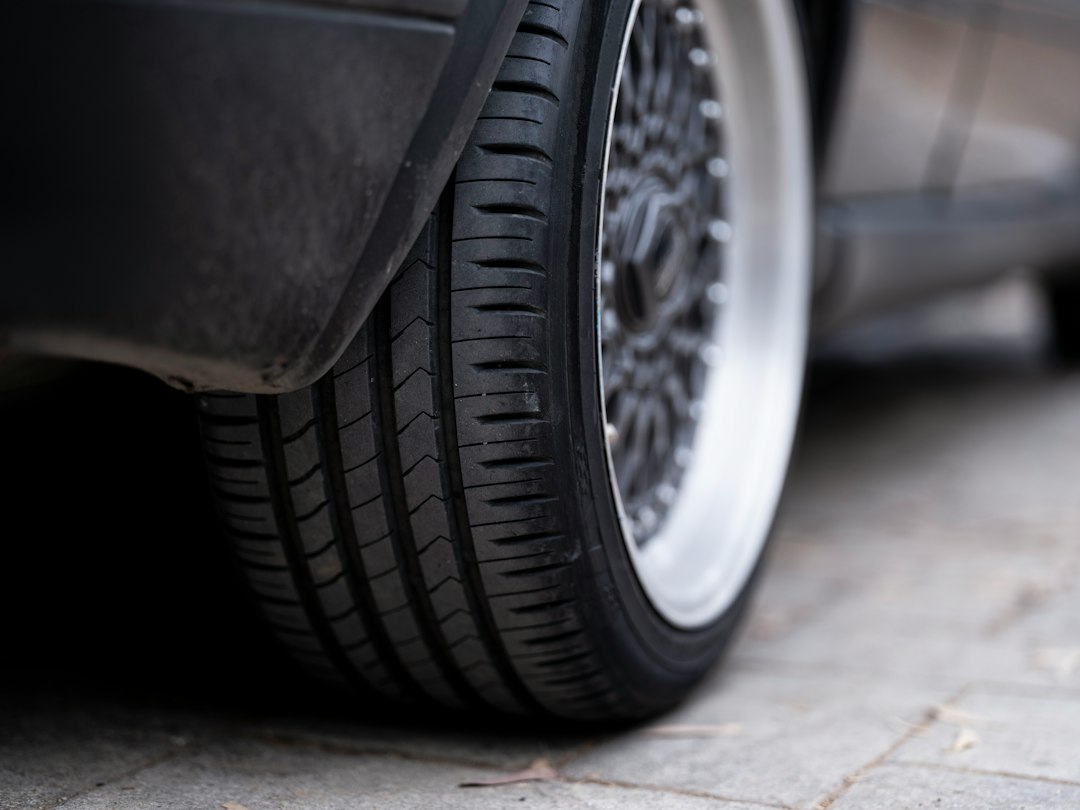
Tire rotation every 5,000 to 7,500 miles prevents uneven wear and extends tire life by up to 20%.
Your vehicle’s tires are the only contact point between your car and the road, playing a vital role in safety, handling, and fuel efficiency. However, they don’t wear evenly on their own. Front tires, for instance, often bear more load and handle more steering forces, leading to faster wear than rear tires. This is where tire rotation becomes essential maintenance. Regularly moving your tires to different positions on your vehicle promotes even wear, enhances traction, improves braking performance, and ultimately saves you money by prolonging tire lifespan.
In areas like King County and Pierce County, where varied road conditions and weather patterns are common, maintaining your tires is paramount. Whether you’re navigating the bustling streets of Seattle, commuting through Bellevue, or cruising down I-5 towards Tacoma, consistent tire care ensures your safety and the optimal performance of your vehicle.
Understanding Tire Wear Patterns
Different positions on your vehicle experience unique forces, leading to distinct wear patterns. Understanding these patterns is the first step to appreciating the benefits of rotation.
Front Tires
The front tires typically endure more stress. They are responsible for steering, braking, and supporting a significant portion of the vehicle’s weight. This often results in faster wear on the outer edges of the tread due to cornering forces and the constant need to correct steering input. Braking also puts considerable stress on the front tires.
Rear Tires
Rear tires generally experience less wear than front tires, especially on front-wheel-drive vehicles. Their primary role is to follow the path set by the front tires and support the rear of the vehicle. However, on rear-wheel-drive or all-wheel-drive vehicles, the rear tires can experience wear from acceleration forces, particularly during hard acceleration.
Common Wear Issues
- Feathering: Where one edge of the tread blocks is worn smoother than the other. This can be caused by improper alignment or tire rotation.
- Cupping or Scalloping: Occurs in the form of dips or bald spots on the tread. This is often a symptom of unbalanced tires or worn suspension components.
- Crabing: When tires wear unevenly on one side, indicating an alignment issue where the wheels are not parallel to each other.
- Edge Wear: Significant wear on one or both shoulders of the tire, often seen on front tires due to cornering.
- Center Wear: If the center of the tire is more worn than the edges, it usually indicates over-inflation.
The Benefits of Regular Tire Rotation
Consistent tire rotation is a simple yet highly effective maintenance practice that offers numerous advantages for your vehicle and your wallet.
Extended Tire Lifespan
This is the most significant benefit. By moving tires to different positions, you equalize the wear across all four tires. This means your entire set of tires will last much longer, delaying the need for costly replacements. The Tire Rating website suggests that regular rotations can extend tire life by as much as 20% or more.
Improved Vehicle Handling and Performance
Evenly worn tires provide more consistent contact with the road surface. This leads to better grip, improved steering response, and more stable handling, especially during maneuvers like cornering or emergency braking. This is particularly important when driving in the variable conditions common in the Seattle and Tacoma areas.
Enhanced Traction and Safety
Tread depth is crucial for maintaining traction, especially on wet roads. When tires wear unevenly, some areas may lose their ability to channel water effectively, increasing the risk of hydroplaning. Regular rotation ensures that the tread wears down uniformly, maximizing grip and safety in all driving conditions.
Better Fuel Economy
Tires that are wearing unevenly or are under-inflated (a common consequence of uneven wear) create more rolling resistance. This forces your engine to work harder, consuming more fuel. Properly rotated and maintained tires contribute to optimal rolling resistance, leading to improved miles per gallon.
Reduced Vibrations and Noise
Unevenly worn tires can cause vibrations and unpleasant noises that travel through the steering wheel and cabin. Rotating your tires helps to maintain a smoother ride, reducing these disturbances and making your driving experience more comfortable.
Tire Rotation Schedules and Patterns
The frequency and method of tire rotation depend on your vehicle type and tire design. Always consult your vehicle’s owner’s manual for specific recommendations, but general guidelines exist.
Recommended Rotation Intervals
Most automotive experts and manufacturers recommend a tire rotation every 5,000 to 7,500 miles. This is roughly equivalent to every oil change for many drivers. For those who drive frequently or in demanding conditions around King County, like frequent trips between Seattle and Tacoma, a more frequent rotation might be beneficial. According to the National Highway Traffic Safety Administration (NHTSA), proper tire maintenance, including rotation, is essential for safety.
Tire Rotation Patterns
There are several common rotation patterns, often determined by whether your vehicle is front-wheel drive, rear-wheel drive, all-wheel drive, and the type of tires you have (directional vs. non-directional).
- Front-to-Rear: Tires are moved straight from front to back and vice versa. This pattern is typically used for directional tires or when you want to maintain the same side of the car for each tire.
- Cross Rotation: Front tires move to the rear on the opposite side, and rear tires move to the front on the opposite side (e.g., front-left to rear-right). This is common for non-directional tires on rear-wheel drive or all-wheel drive vehicles.
- Rearward Cross: Front tires move straight to the rear on the same side, and rear tires move to the front on the opposite side (e.g., front-left to rear-left, rear-right to front-left). This pattern is often recommended for front-wheel drive vehicles with non-directional tires.
- Four-Wheel Rotation: For vehicles with full-time four-wheel or all-wheel drive, a pattern that moves all tires in a coordinated manner might be used, often involving a cross or rearward cross pattern to ensure all tires wear evenly.
Directional Tires: These tires have a specific rotation direction molded into the sidewall (often indicated by an arrow). They can only be moved front-to-back on the same side of the vehicle. If you have directional tires, your rotation options are limited.
Non-Directional Tires: These are the most common type and can be mounted on either side of the vehicle. They offer more rotation pattern flexibility.
Practical Tips for Optimal Tire Rotation
Beyond simply following a schedule, a few extra steps can maximize the benefits of your tire rotations.
Check Tire Pressure Regularly
Before or after a rotation, ensure all tires are inflated to the manufacturer’s recommended pressure. Under or over-inflation accelerates wear and impacts performance. You can usually find the recommended pressure on a sticker in the driver’s side doorjamb or in your owner’s manual. For those driving in fluctuating temperatures common in the Seattle metro area, checking pressure more often is wise.
Inspect for Damage and Wear
While tires are being rotated, it’s an excellent opportunity to inspect them for any signs of damage, such as cuts, bulges, or punctures, and to check tread depth. If you notice significant or uneven wear, it might indicate an underlying issue like misalignment or unbalanced wheels that should be addressed.
Consider Tire Balancing
Tire balancing involves adding small weights to the wheel to counteract any imbalances in the tire and wheel assembly. Imbalances can lead to vibrations and uneven wear, especially at higher speeds. It’s often recommended to balance tires when they are rotated, or at least every 6,000 to 8,000 miles, to ensure a smooth ride and even wear.
When to Seek Professional Help
If you notice persistent vibration, pulling to one side, or rapid, uneven tire wear, it’s time to consult a professional. Issues like wheel alignment or suspension problems need to be corrected to prevent further tire damage and ensure safe driving. TireSquad offers mobile alignment checks and adjustments to help keep your vehicle driving straight and true, a crucial service for navigating the varied road conditions from Tacoma to Bellevue.
Frequently Asked Questions about Tire Rotation
How often should I rotate my tires?
Generally, tires should be rotated every 5,000 to 7,500 miles, or about once a year for average drivers. Check your vehicle’s owner’s manual for the manufacturer’s specific recommendation.
Can I rotate my own tires?
While it’s possible for mechanically inclined individuals with the right tools and safety knowledge, it’s often best left to professionals. Incorrect rotation patterns or improper jacking can damage your vehicle or lead to injury. Mobile services like TireSquad make it convenient to get this done without visiting a shop.
What happens if I don’t rotate my tires?
If you don’t rotate your tires, they will wear unevenly, leading to reduced tire life, decreased performance, and potentially compromised safety. You’ll likely need to replace your tires sooner than necessary.
Does tire rotation affect wheel alignment?
Tire rotation itself does not directly affect wheel alignment. However, if uneven wear is detected during rotation, it often signals an underlying alignment issue that should be corrected.
Keep Your Tires Rolling Smoothly with TireSquad
Regular tire rotation is a cornerstone of vehicle maintenance, ensuring safety, performance, and longevity for your tires. Don’t let uneven wear compromise your driving experience or shorten the life of your investment. Whether you’re in Seattle, Tacoma, Bellevue, or anywhere across King and Pierce Counties, TireSquad brings expert tire service right to your doorstep.
Our mobile technicians can perform tire rotations, balancing, and inspections at your home or work, saving you time and hassle. To schedule your next tire rotation and ensure your vehicle is performing at its best, visit Tiresquad.fieldd.co or call us at (206) 650-1302. Drive safer, drive smarter with TireSquad!
Want more like this? Add TireSquad as a preferred source on Google.