
Run-Flat Tire Evolution: From Emergency to Everyday
Discover the incredible journey of run-flat tire technology. Learn how these innovative tires have evolved from niche safety features to a mainstream option, offering enhanced convenience and peace of mind on the road.
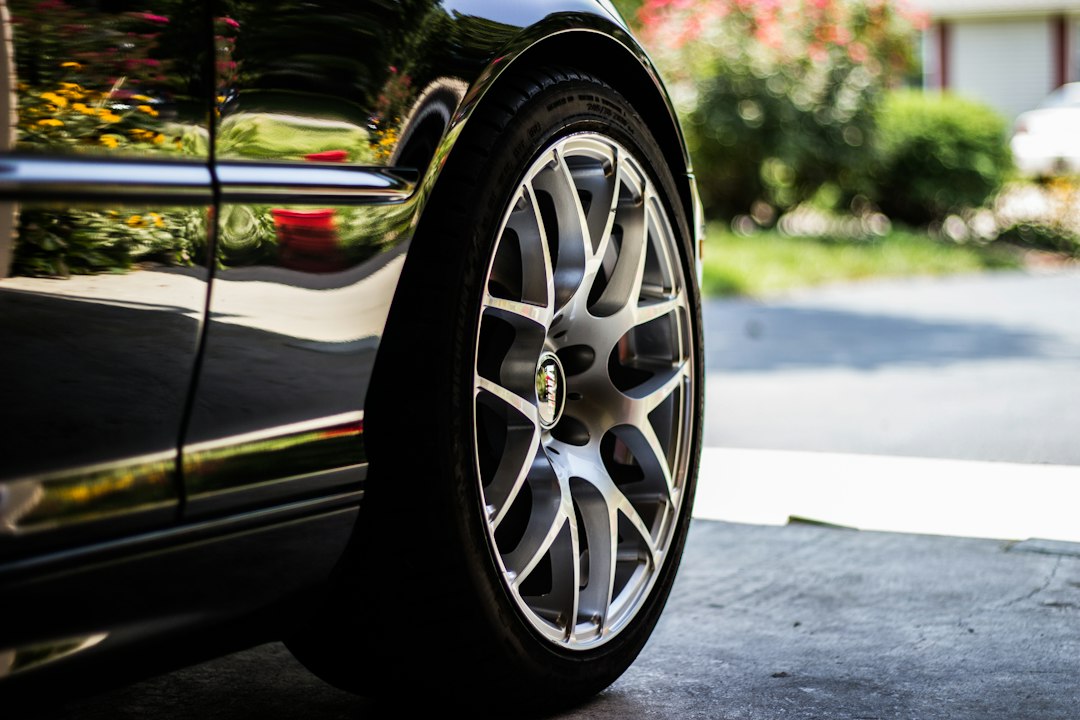
Run-Flat Tire Evolution: From Emergency to Everyday
Run-flat tires are designed to continue functioning for a limited distance and speed after a puncture, allowing drivers to reach a safe location without immediately stopping on the roadside. The concept of a self-supporting tire dates back to the early 20th century, but modern run-flat technology has seen significant advancements, transforming them from a specialized emergency solution into a more accessible and sophisticated automotive component.
Initially developed to address the dangers of roadside tire failures, especially in remote or hazardous conditions, early run-flat designs were often compromises. They could be stiff, heavy, and affect ride comfort. However, continuous innovation by tire manufacturers has dramatically improved their performance, durability, and overall driving experience. Today, run-flat technology is a testament to the automotive industry’s drive for enhanced safety and convenience, a significant leap from their early, more rudimentary iterations.
The Dawn of Self-Supporting Tires
The fundamental idea behind run-flat tires is to eliminate the need for a spare tire. This concept emerged as a solution to the inconvenience and potential danger associated with changing a flat tire, particularly in adverse weather or traffic conditions common in areas like Seattle and Tacoma. The earliest attempts involved reinforcing tire sidewalls to support the vehicle’s weight even when completely deflated. These early designs, however, often resulted in a harsh ride and were prone to damage themselves if driven too far on a flat.
Key Technologies Driving Run-Flat Advancement
Several distinct technologies have enabled the evolution of run-flat tires, each addressing specific challenges:
- Self-Supporting Technology: This is the most common type today. These tires feature significantly reinforced sidewalls. The thicker, stiffer sidewall structure can bear the vehicle’s weight without air pressure, allowing for continued driving. This technology is favored by many automakers for its effectiveness.
- Support Ring Technology: Less common now, this system involves a solid rubber or composite ring mounted inside the tire on the wheel rim. When the tire loses pressure, the vehicle’s weight rests on this ring, allowing the tire to maintain its shape. While effective, this system adds considerable weight and complexity.
The development of advanced rubber compounds and sophisticated structural engineering has been crucial. Modern run-flats are engineered to balance the need for sidewall strength with acceptable levels of comfort and performance, a challenge that early designs struggled to meet.
Performance and Comfort Improvements
Early run-flat tires were notorious for their firm ride, which could be jarring on the often imperfect roads found throughout King County and Pierce County. Manufacturers have invested heavily in research and development to mitigate this. By employing advanced materials, including specialized silica compounds and improved tread designs, contemporary run-flats offer a much smoother and quieter ride, often indistinguishable from conventional tires to the average driver. This evolution means drivers no longer have to sacrifice comfort for the convenience of run-flat capability.
According to the Tire Industry Association (TIA), advancements in tire construction and material science have been pivotal in enhancing the overall performance characteristics of run-flat tires, making them a viable option for a wider range of vehicles and driving conditions.
The Role of Tire Pressure Monitoring Systems (TPMS)
The widespread adoption of Tire Pressure Monitoring Systems (TPMS) has been intrinsically linked to the success of run-flat technology. Run-flat tires, by their nature, can sometimes lose pressure gradually without the driver immediately noticing a significant change in feel. TPMS alerts drivers to a loss of pressure, allowing them to address the issue before it becomes critical and potentially damages the tire or compromises safety. NHTSA mandates TPMS in all new vehicles under 10,000 pounds sold in the United States, underscoring its importance for tire safety.
For drivers in the Seattle metro area, where traffic can be unpredictable, TPMS is an invaluable safety feature that works in tandem with run-flat tires. It ensures that drivers are aware of any tire pressure issues, whether they are using run-flats or conventional tires, and can take appropriate action.
Benefits of Modern Run-Flat Tires
The evolution of run-flat technology has brought about several compelling advantages for drivers:
- Enhanced Safety: The primary benefit remains the ability to drive to a safe location after a puncture, avoiding the risks of stopping on the shoulder of busy highways like I-5 or SR 167.
- Convenience: Eliminating the need for a spare tire frees up trunk space, which can be particularly appreciated in smaller vehicles or for those who regularly carry gear.
- Time Savings: No more immediate roadside tire changes. You can continue your journey to a tire service center at your convenience.
- Reduced Risk of Mishandling: Driving on a completely flat tire can lead to loss of control. Run-flats mitigate this risk.
Considerations for Run-Flat Tires
While the advancements are significant, there are still considerations:
- Ride Comfort: Although improved, some drivers may still notice a difference in ride quality compared to the softest conventional tires.
- Cost: Run-flat tires are generally more expensive than their conventional counterparts.
- Repairability: The reinforced sidewalls can make them more difficult or impossible to repair after certain types of punctures. Always consult a professional tire technician.
- Availability: While more common, finding specific run-flat sizes or brands might be slightly more challenging than standard tires, especially outside major metropolitan areas. However, with mobile services like TireSquad, accessing them across King and Pierce Counties is convenient.
The Future of Run-Flat Technology
The trajectory of run-flat tire development points towards further integration with vehicle systems and even greater refinement in ride comfort and performance. We may see more adaptive run-flat systems that can adjust their stiffness based on road conditions or driving modes. The ongoing pursuit of lighter, more durable, and more comfortable self-supporting tires ensures that run-flats will continue to play a significant role in automotive safety and convenience.
Practical Tips for Run-Flat Tire Owners
- Know Your Limitations: Understand the specific distance and speed ratings for your run-flat tires after a puncture. These are typically found in your vehicle’s owner’s manual or on the tire manufacturer’s website.
- Monitor TPMS Religiously: Pay close attention to your TPMS alerts. Do not ignore them, as they are critical for safety when using run-flat tires.
- Find a Qualified Technician: When you experience a puncture or need service, ensure your chosen tire shop is experienced with run-flat tires. Not all shops are equipped to handle them, especially for repairs.
- Consider Replacement Options: If your vehicle came with run-flats, you can often replace them with conventional tires, but you will need to carry a spare tire and the necessary tools. Consult with a tire professional about the best option for your needs.
Frequently Asked Questions About Run-Flat Tires
What is the maximum distance I can drive on a run-flat tire?
Most run-flat tires are designed to be driven for up to 50 miles at speeds not exceeding 50 mph after a complete loss of pressure, but always check your specific tire’s specifications.
Can all tires be repaired after a puncture?
While some minor punctures in the tread area might be repairable, the reinforced sidewalls of run-flat tires often make repairs more complex or impossible, depending on the damage and location.
Do run-flat tires require special wheels?
Self-supporting run-flat tires do not require special wheels, but they are designed to work optimally with vehicles equipped with TPMS.
Whether you’re navigating the urban sprawl of Seattle or the scenic routes of Pierce County, the evolution of run-flat tires offers a compelling blend of safety and convenience. If you’re considering run-flat tires, need to replace yours, or want expert advice on your current tire setup, TireSquad is here to help. Our mobile tire service brings expert assistance directly to your location in King County and Pierce County, ensuring you’re always rolling safely and smoothly.
Ready for hassle-free tire service? Book your appointment with TireSquad today at tiresquad.fieldd.co or call us at (206) 650-1302!
Want more like this? Add TireSquad as a preferred source on Google.