
Wet Weather Driving: Tire Grip Secrets for WA Roads
Driving in wet conditions can be hazardous, especially on the often slick roads of King and Pierce Counties. Learn how your tires' condition and your driving habits are crucial for staying safe.
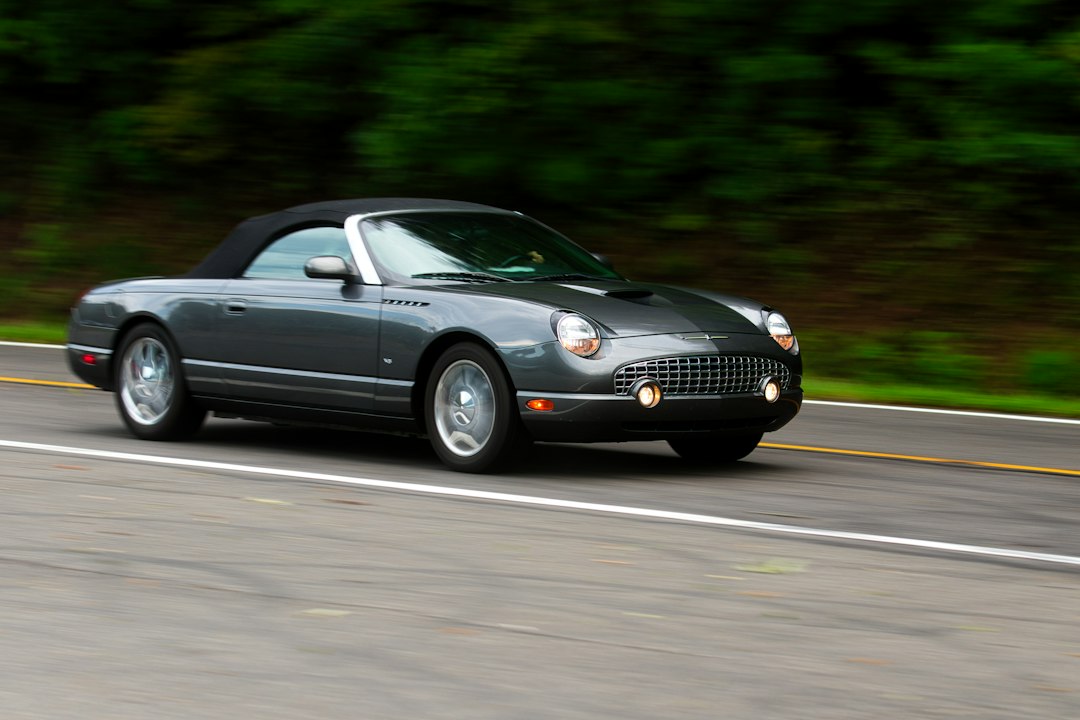
Master Wet Weather Driving: Tire Grip Secrets for WA Roads
Maintaining optimal tire grip is paramount for safe driving in wet conditions, especially on the frequently rain-soaked roads of King County and Pierce County. Your tires are the only contact your vehicle has with the road, making their condition and type critical when precipitation reduces traction significantly.
Understanding Hydroplaning and Tire Performance
Hydroplaning occurs when a layer of water builds up between your tires and the road surface, causing a loss of traction. This can happen even at moderate speeds, turning a seemingly normal drive into a dangerous situation. The ability of your tires to channel water away from the contact patch is key to preventing hydroplaning.
The Role of Tire Tread Depth
Tire tread is designed with grooves to evacuate water. As tread depth decreases, so does the tire’s ability to push water aside effectively. According to the National Highway Traffic Safety Administration (NHTSA), worn tires significantly increase the risk of hydroplaning and reduce braking performance. Maintaining at least 4/32 of an inch of tread depth is crucial for safe wet weather driving. Anything less compromises your safety, especially on slick surfaces like those found around Seattle and Tacoma.
Choosing the Right Tires for Wet Conditions
Not all tires are created equal when it comes to wet weather performance. Certain tire types and tread patterns are engineered for superior grip during rain.
- All-Season Tires: While convenient for year-round use in milder climates, their performance in heavy rain can be a compromise. Look for all-season tires with specific ‘M+S’ (Mud and Snow) ratings and good water evacuation capabilities.
- Performance Tires: Many performance tires offer excellent dry grip but may not be optimized for heavy rain. However, some high-performance all-season tires are designed to balance dry and wet traction.
- Winter Tires: While primarily for snow and ice, winter tires often have tread patterns that are very effective at channeling water, providing excellent grip in wet conditions as well.
Tire Pressure: An Often Overlooked Factor
Proper tire inflation is fundamental to vehicle safety and performance, especially in adverse weather. Underinflated tires can overheat and wear unevenly, reducing their ability to maintain contact with the road. Overinflated tires can reduce the size of the contact patch, decreasing traction. The Tire Industry Association (TIA) emphasizes that checking tire pressure regularly, at least once a month and before long trips, is essential. Always adhere to the vehicle manufacturer’s recommended tire pressure, typically found on a sticker in the driver’s side doorjamb or in the owner’s manual.
Essential Driving Techniques for Wet Roads
Beyond tire condition, your driving habits play a vital role in navigating wet roads safely. Adjusting your approach can significantly mitigate risks.
Slow Down Significantly
The most crucial adjustment for driving in rain is to reduce your speed. Wet roads dramatically increase stopping distances and reduce your ability to steer effectively. Driving slower gives you more time to react to hazards and allows your tires more time to grip the road surface.
Increase Following Distance
Leave ample space between your vehicle and the one in front of you. A common recommendation is to double your normal following distance, aiming for at least a four-second gap. This buffer provides the necessary distance to stop safely if the vehicle ahead brakes suddenly.
Avoid Sudden Movements
Abrupt acceleration, braking, or steering can easily cause your tires to lose traction on wet surfaces. Smooth, deliberate inputs are key. If you feel your tires start to slip, ease off the accelerator gently and steer in the direction you want to go, avoiding sudden jerks.
Be Aware of Standing Water and Puddles
Standing water, especially on highways and around areas like Renton or Puyallup where drainage can be an issue, poses a significant hydroplaning risk. If possible, avoid driving through deep puddles. If you must drive through them, do so slowly and steadily. After driving through water, lightly apply your brakes while still moving to help dry them off, restoring braking effectiveness.
Visibility is Key
Heavy rain can significantly reduce visibility. Ensure your windshield wipers are in good condition and that your headlights are on, even during daylight hours. Use your defroster to keep windows clear of fogging. Being able to see and be seen is fundamental to safe driving in any weather.
TireSquad: Your Partner in Wet Weather Safety
Ensuring your tires are in optimal condition is the first line of defense against the hazards of wet weather driving. From checking tread depth to recommending the best tires for Seattle’s frequent rain, TireSquad is here to help.
Don’t wait for a rainy day to think about your tires. If you notice your tires are worn, need rotation, or you’re concerned about their performance in wet conditions, TireSquad offers convenient mobile tire service across King County and Pierce County. We can come to your home or workplace in Seattle, Bellevue, Tacoma, and surrounding areas to provide tire replacement, rotation, balancing, and repair. Book your appointment today at tiresquad.fieldd.co or call us at (206) 650-1302 to ensure your vehicle is ready for whatever the weather brings.
Frequently Asked Questions About Wet Weather Driving
How can I tell if my tires are likely to hydroplane?
Tires with less than 4/32 of an inch of tread depth are at a significantly higher risk of hydroplaning. Also, if you feel your steering become light or the engine revs without increased speed, you may be hydroplaning.
Should I use cruise control in the rain?
No, it is strongly advised against using cruise control in wet conditions. Cruise control can hinder your ability to react quickly to changes in traction or unexpected situations, potentially leading to a loss of control.
How much does tire pressure affect wet weather grip?
Tire pressure is critical. Improper inflation, whether too low or too high, negatively impacts the tire’s contact patch with the road, reducing grip and increasing the risk of hydroplaning and longer stopping distances.
What is the best way to regain traction if my car starts to skid on a wet road?
If your car begins to skid, ease off the accelerator gently and avoid braking suddenly. Look and steer in the direction you want the front of your car to go. This technique is known as counter-steering and is crucial for regaining control.
Photo by Chandler Cruttenden on Unsplash
Want more like this? Add TireSquad as a preferred source on Google.