
Slash Fleet Tire Costs: Smart Management Tips
Effective tire cost management is crucial for delivery fleets operating in busy areas like Seattle and Tacoma. This guide offers actionable strategies to reduce expenses and maximize tire lifespan, ensuring your operations run smoothly and profitably.
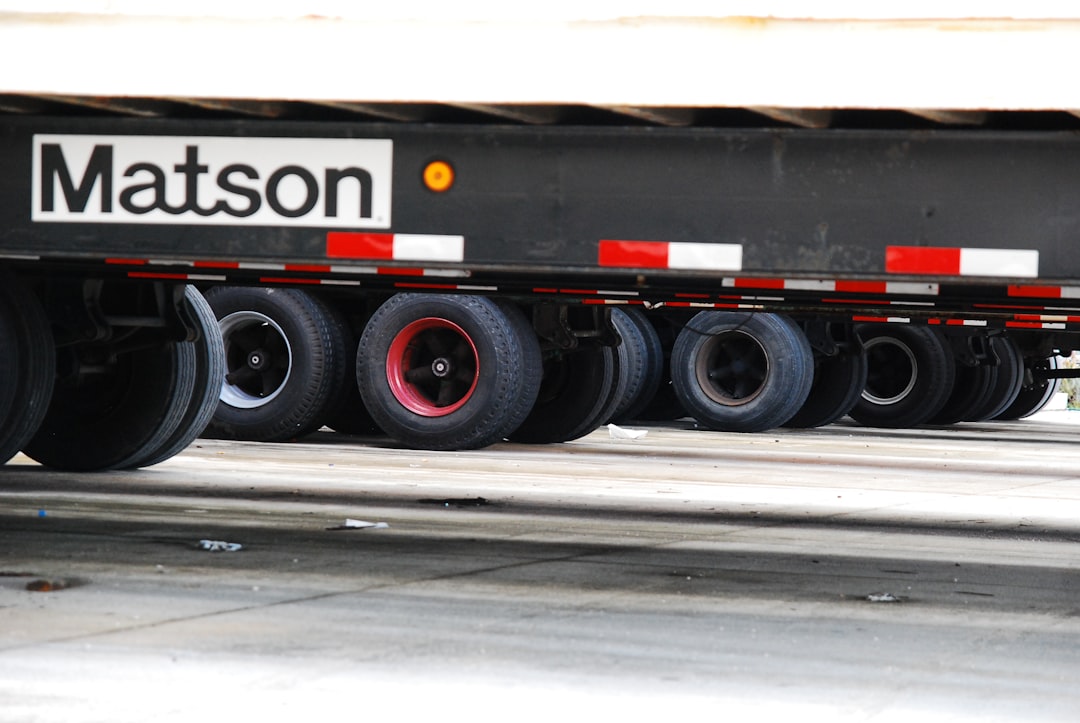
Effective tire cost management is crucial for delivery fleets operating in busy areas like Seattle and Tacoma. By implementing smart strategies, businesses can significantly reduce expenses related to tire maintenance, replacement, and downtime, directly impacting their bottom line.
Understanding the True Cost of Fleet Tires
The cost of tires for a delivery fleet extends far beyond the initial purchase price. It encompasses a complex web of factors that, if not managed properly, can lead to substantial, often unexpected, expenses. Understanding these hidden costs is the first step toward effective management.
Tire Purchase and Replacement Costs
This is the most obvious cost. It includes the price of new tires, but also the frequency of replacement. Choosing the right tire for the job, considering longevity and performance, can significantly impact how often you need to buy new ones. For fleets operating in diverse King County and Pierce County conditions, from urban Seattle streets to more rugged routes, tire selection is paramount.
Maintenance and Repair Expenses
Regular maintenance, such as proper inflation, balancing, and alignment, prevents premature wear and reduces the likelihood of costly repairs or roadside breakdowns. Neglecting these simple tasks can turn a minor issue into a major expense, including towing and lost delivery windows.
Downtime and Lost Productivity
When a vehicle is off the road due to tire issues, it’s not just the repair cost that hurts. It’s the lost revenue from missed deliveries, the impact on customer satisfaction, and the potential need for rental vehicles or rerouting. For a delivery service in the bustling Seattle metropolitan area, every minute a vehicle is unavailable translates to lost income.
Fuel Consumption
Underinflated tires or tires with excessive wear increase rolling resistance, forcing engines to work harder and consume more fuel. According to the U.S. Department of Energy, keeping tires properly inflated can improve gas mileage by up to 3%.
Key Strategies for Effective Fleet Tire Cost Management
Implementing a proactive and strategic approach to tire management is essential for any delivery fleet aiming to control costs and enhance operational efficiency. Here are some of the most effective strategies:
1. Strategic Tire Selection
Not all tires are created equal, and the right choice depends on your specific operational needs. Consider factors like load capacity, expected mileage, fuel efficiency ratings, and suitability for the typical road conditions in your service area. For fleets serving both the city streets of Bellevue and the highways connecting to Tacoma, a versatile tire is often the best investment.
- Durability: Opt for tires designed for high mileage and heavy use.
- Fuel Efficiency: Low rolling resistance tires can lead to significant fuel savings over time.
- All-Season Capabilities: Given the varied weather in Washington state, consider tires that perform well in both wet and dry conditions.
2. Rigorous Tire Inflation Management
Proper tire inflation is arguably the single most impactful and cost-effective maintenance practice. Underinflated tires wear out faster, reduce fuel efficiency, and increase the risk of blowouts. Overinflated tires can lead to a harsher ride and uneven wear patterns.
- Regular Checks: Check tire pressure at least weekly, and always before long trips.
- Use Gauges: Invest in reliable tire pressure gauges and train drivers on their proper use.
- Set Standards: Maintain inflation pressures recommended by the tire manufacturer or vehicle OEM.
The National Highway Traffic Safety Administration (NHTSA) consistently emphasizes the importance of proper tire inflation for safety and efficiency.
3. Consistent Tire Rotation and Balancing
Tire rotation and balancing are critical for ensuring even tire wear and extending their service life. Without regular rotation, the front tires often wear out much faster than the rear tires due to weight distribution and steering forces.
- Rotation Schedule: Follow a consistent schedule, typically every 5,000 to 7,500 miles, or as recommended by the tire manufacturer.
- Professional Balancing: Ensure tires are balanced whenever they are mounted or rotated to prevent vibrations and uneven wear.
This practice can extend tire life by up to 20%, as noted by various industry sources including the Tire Industry Association (TIA).
4. Proactive Wheel Alignment Checks
Misaligned wheels cause tires to drag or scrub against the road surface, leading to rapid and uneven wear. Alignment issues can stem from hitting potholes, curbs, or simply from normal wear and tear on suspension components. For fleets navigating the sometimes-uneven roads in parts of Tacoma or the construction zones common around Seattle, regular alignment checks are vital.
- Symptom Recognition: Train drivers to recognize signs of misalignment, such as the vehicle pulling to one side or unusual tire wear patterns.
- Scheduled Inspections: Incorporate alignment checks into your regular maintenance schedule, especially after any significant road impact.
5. Implementing a Fleet Tire Monitoring Program
A comprehensive monitoring program goes beyond basic maintenance. It involves tracking key metrics and using data to make informed decisions.
- Record Keeping: Maintain detailed records of tire purchases, installation dates, mileage, maintenance performed, and removal dates.
- Data Analysis: Analyze this data to identify trends, problematic tire models, or vehicles that are causing excessive tire wear.
- Technology Solutions: Consider investing in fleet management software that can track tire data and alert you to maintenance needs.
6. Driver Education and Accountability
Your drivers are on the front lines and play a crucial role in tire management. Educating them on the importance of tire care and empowering them to report issues can make a significant difference.
- Training: Provide training on pre-trip inspections, proper inflation checks, and reporting procedures for tire damage or wear.
- Incentives: Consider implementing incentive programs that reward drivers for maintaining optimal tire condition and reporting issues promptly.
7. Leveraging Mobile Tire Services
For delivery fleets operating in busy urban environments like Seattle and Bellevue, minimizing downtime is paramount. Mobile tire services offer a significant advantage by bringing tire maintenance and replacement directly to your vehicles, wherever they are parked.
- Convenience: Service your fleet without disrupting your delivery schedule.
- Reduced Downtime: Avoid the time and cost associated with transporting vehicles to a traditional tire shop.
- On-Demand Service: Address tire issues quickly, whether it’s a flat repair or routine rotation.
Addressing Common Fleet Tire Challenges
Delivery fleets often face unique challenges when it comes to tire management. Understanding and proactively addressing these can prevent costly problems.
Irregular Wear Patterns
Common irregular wear patterns include feathering, cupping, and spot wear. These are usually indicators of underlying issues such as incorrect inflation, improper balance, misaligned wheels, or worn suspension components. Addressing the root cause is essential to prevent further damage and premature tire replacement.
Premature Tire Failure
Factors contributing to premature tire failure include overloading vehicles, improper inflation, driving at excessive speeds, and road hazards. Regularly inspecting tires for cuts, bulges, or embedded objects is crucial.
Cost of Replacement Tires
While the initial cost can be high, smart purchasing and effective maintenance can significantly reduce the overall cost per mile. Buying in bulk, negotiating with suppliers, and choosing retreadable casings where appropriate can also yield savings.
The Role of Technology in Tire Management
Modern technology offers powerful tools to enhance fleet tire management. From advanced monitoring systems to data analytics platforms, leveraging these tools can provide a competitive edge.
- Tire Pressure Monitoring Systems (TPMS): While standard on many passenger vehicles, advanced TPMS for commercial fleets can provide real-time data and alerts.
- Fleet Management Software: These platforms can integrate tire data, maintenance schedules, and cost tracking, offering a holistic view of fleet operations.
- Predictive Analytics: Using historical data, some systems can predict potential tire failures or optimal replacement times, allowing for proactive planning.
Frequently Asked Questions About Fleet Tire Management
### How often should fleet tires be rotated?
Fleet tires should typically be rotated every 5,000 to 7,500 miles, but it’s best to follow the specific recommendations from the tire manufacturer and consider your fleet’s unique operating conditions.
### What is the most cost-effective tire maintenance practice?
Maintaining proper tire inflation is the most cost-effective practice, as it directly impacts tire wear, fuel efficiency, and safety, preventing many other costly issues.
### How can I reduce the overall cost of tires for my fleet?
Reducing overall tire costs involves strategic purchasing, rigorous maintenance (inflation, rotation, alignment), driver education, and leveraging mobile services to minimize downtime.
### Should I use retreaded tires for my delivery fleet?
Retreaded tires can be a cost-effective option for certain applications, offering significant savings compared to new tires, provided they are from reputable suppliers and suitable for your operational demands.
Partner with TireSquad for Seamless Fleet Tire Management
Effectively managing tire costs is a continuous process that requires attention to detail, proactive maintenance, and strategic planning. For delivery fleets in King County and Pierce County, including Seattle, Bellevue, and Tacoma, TireSquad offers a comprehensive mobile tire solution designed to minimize your downtime and maximize your efficiency.
Our expert technicians provide on-site tire installation, rotation, balancing, and repair, bringing convenience directly to your business. Don’t let tire issues slow down your operations. Schedule your fleet service today by visiting tiresquad.fieldd.co or calling us at (206) 650-1302.
Photo by Brian Kairuz on Unsplash