
Eco-Friendly Tires: Greener Miles Ahead
Explore the world of sustainable tires and how choosing eco-friendly options can benefit your vehicle and the environment. Learn about materials, performance, and how to make a greener choice for your next tire purchase.
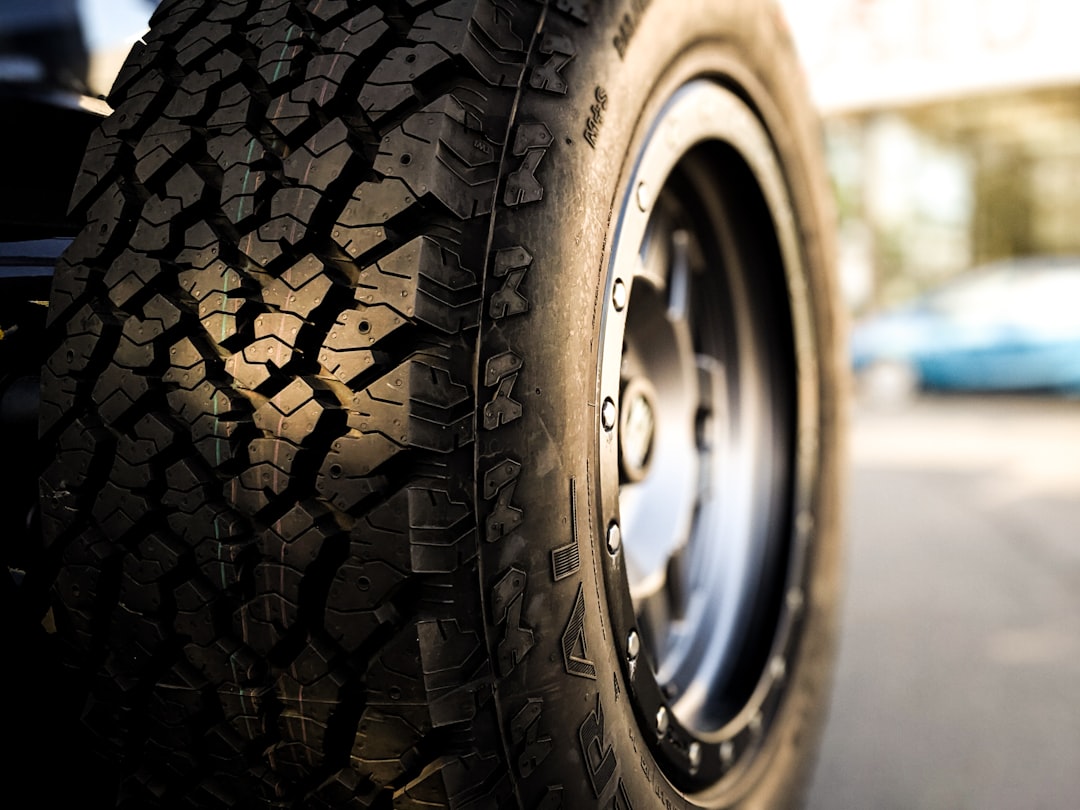
Sustainable Tires: Driving Towards a Greener Future
Sustainable tires offer a viable and increasingly popular alternative for environmentally conscious drivers seeking to reduce their carbon footprint without compromising performance or safety. These tires are designed with eco-friendly materials and manufacturing processes that minimize environmental impact throughout their lifecycle.
What Makes a Tire Eco-Friendly?
The eco-friendliness of a tire can be assessed through several key aspects:
- Materials: Traditional tires rely heavily on petroleum-based synthetic rubbers and carbon black. Sustainable tires often incorporate natural rubber from responsibly managed sources, recycled materials like old tires (crumb rubber), and bio-based fillers derived from plants. Some manufacturers are even exploring innovative materials like dandelion rubber.
- Manufacturing Process: Energy efficiency in production, reduced water usage, and minimizing waste are crucial. Companies committed to sustainability often invest in renewable energy sources for their factories and implement closed-loop systems to recycle byproducts.
- Performance and Longevity: Eco-friendly doesn’t mean lower quality. Sustainable tires are engineered for low rolling resistance, which improves fuel efficiency and reduces CO2 emissions. They are also designed for durability, meaning they last longer, reducing the frequency of replacement and the associated waste.
- End-of-Life Management: Responsible disposal and recycling programs are vital. Many manufacturers and tire retailers are developing or participating in schemes to ensure old tires are retreaded, recycled into new products, or safely disposed of, diverting them from landfills.
The Environmental Impact of Traditional Tires
The production and disposal of conventional tires contribute significantly to environmental challenges. The extraction of raw materials, energy-intensive manufacturing, and the sheer volume of tires reaching the end of their lifespan pose considerable problems. According to the U.S. Environmental Protection Agency (EPA), millions of tires are discarded annually, many ending up in landfills or being illegally dumped, leading to pollution and potential fire hazards.
Benefits of Choosing Eco-Friendly Tires
Opting for sustainable tire solutions offers a range of advantages:
- Reduced Carbon Footprint: Lower rolling resistance means your vehicle consumes less fuel, directly translating to fewer greenhouse gas emissions.
- Resource Conservation: The use of recycled and renewable materials reduces reliance on virgin petroleum products and conserves natural resources.
- Extended Tire Life: Many eco-friendly tires are built for durability, meaning you’ll replace them less often, saving you money and further reducing waste.
- Improved Fuel Efficiency: This is a significant benefit for drivers across King County and Pierce County, where commutes can be substantial. Better fuel economy means more money in your pocket, especially with fluctuating gas prices.
- Support for Sustainable Practices: Choosing these tires signals demand for greener manufacturing and encourages more companies to adopt environmentally responsible policies.
Key Features to Look For in Sustainable Tires
When shopping for eco-friendly tires, keep an eye out for these indicators:
- Low Rolling Resistance (LRR) Labeling: Many tires will explicitly state if they offer low rolling resistance. This is a primary indicator of fuel efficiency.
- Sustainable Material Content: Look for mentions of natural rubber, recycled content, or bio-based materials in product descriptions.
- Certifications: Some manufacturers pursue environmental certifications for their products and processes.
- Manufacturer’s Sustainability Reports: Reputable companies often publish details about their environmental initiatives and the sustainability of their product lines.
Leading Sustainable Tire Brands and Technologies
Several tire manufacturers are at the forefront of developing and producing eco-friendly options. Brands like Michelin, Bridgestone, Goodyear, Continental, and Pirelli are increasingly investing in research and development for greener tire technologies. For example, Michelin has introduced tires with higher percentages of sustainable materials, and Bridgestone is working on innovative rubber compounds. The Tire Industry Association (TIA) often highlights advancements in sustainable tire manufacturing and recycling efforts.
Practical Tips for Maximizing Tire Sustainability
Beyond choosing eco-friendly tires, several practices can enhance their environmental benefits and longevity:
- Maintain Proper Tire Pressure: Underinflated tires increase rolling resistance, leading to worse fuel economy and faster wear. Regularly check your tire pressure, especially with the temperature fluctuations we experience in the Seattle and Tacoma areas. For optimal results, inflate tires to the pressure recommended by the vehicle manufacturer, typically found on a sticker in the driver’s side doorjamb.
- Regular Tire Rotation: As recommended by the National Highway Traffic Safety Administration (NHTSA), rotating your tires every 5,000 to 7,500 miles helps ensure even wear. This significantly extends the life of your tires, meaning fewer replacements and less waste.
- Proper Tire Balancing and Alignment: Ensure your tires are balanced and your vehicle’s alignment is correct. Misalignment can cause rapid and uneven tire wear, negating the benefits of sustainable tires. If you notice your car pulling to one side or uneven wear patterns on your tires in Bellevue or Puyallup, it’s time for a check.
- Drive Efficiently: Smooth acceleration and braking, along with avoiding excessive speeding, not only save fuel but also reduce wear and tear on your tires.
- Consider Retreading: For commercial fleets or certain types of tires, retreading can be a highly sustainable option, giving a tire a new lease on life.
Navigating the Tire Market in Washington State
As a resident of King County or Pierce County, you have access to a wide range of tire services. When it comes time to replace your tires, ask your service provider about eco-friendly options. Many reputable dealers and mobile tire services, like TireSquad, can guide you toward choices that align with your environmental goals and driving needs. Whether you’re in Redmond, Tacoma, or Kent, making an informed decision about your tires is easier than ever.
Frequently Asked Questions About Eco-Friendly Tires
### Are eco-friendly tires as durable as conventional ones?
Yes, modern eco-friendly tires are engineered for durability and often match or exceed the lifespan of traditional tires due to advanced materials and construction.
### Do eco-friendly tires perform as well in various weather conditions?
Many eco-friendly tires offer excellent all-season performance and grip, comparable to conventional tires, with some even excelling in wet conditions due to specific tread designs.
### Is it more expensive to buy eco-friendly tires?
While some premium eco-friendly tires might have a higher upfront cost, their extended lifespan and improved fuel efficiency often result in lower overall costs of ownership.
### How can I ensure my old tires are recycled responsibly?
Look for tire retailers or mobile services that participate in recycling programs. TireSquad, for example, can assist with the responsible disposal of your old tires when installing new ones.
Making the switch to sustainable tires is a tangible step towards a greener automotive future. It’s a choice that benefits your wallet through fuel savings and positively impacts the environment by reducing emissions and waste. For convenient, expert tire service across Seattle, Bellevue, Tacoma, and surrounding areas, trust TireSquad to help you make the greener choice.