
Recycle Tires: Protect WA’s Environment
Discarded tires pose a significant environmental threat. Discover the importance of tire recycling and how responsible disposal practices help protect the natural beauty of Washington State.
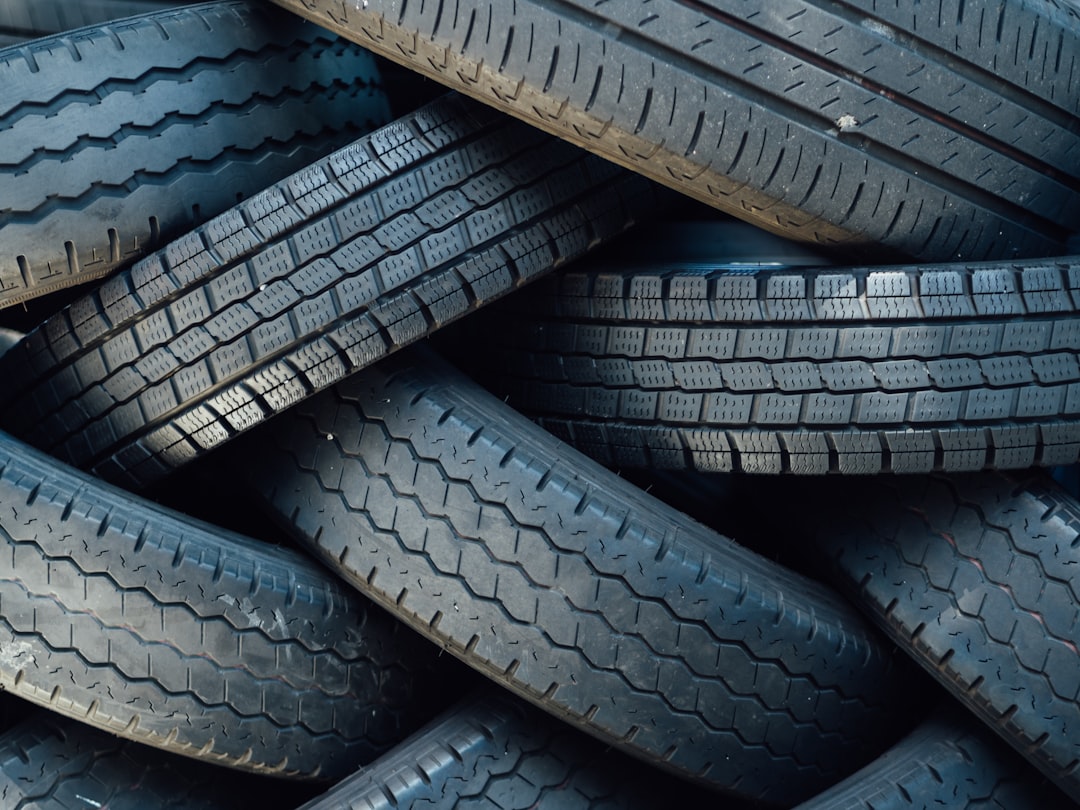
Tire recycling is essential for preventing environmental pollution and conserving valuable resources.
The Growing Problem of Used Tires
Every year, millions of tires reach the end of their service life. In the United States alone, over 250 million tires are discarded annually. Without proper management, these old tires can accumulate in landfills, illegally dumped in natural areas, or pose significant fire hazards.
Environmental Hazards of Unrecycled Tires
Discarded tires present a multifaceted environmental challenge. They are non-biodegradable, meaning they will persist in the environment for hundreds of years. This longevity makes them a persistent source of pollution.
- Landfill Burden: Tires take up a significant amount of space in landfills. Due to their volume and resistance to decomposition, they are an inefficient use of limited landfill capacity.
- Leachate Contamination: As tires degrade very slowly, they can release chemicals into the soil and groundwater, potentially contaminating local ecosystems. These chemicals include heavy metals and other toxic substances.
- Mosquito Breeding Grounds: Standing water trapped in old tires creates ideal breeding conditions for mosquitoes. These mosquitoes can carry diseases, posing a public health risk, especially in areas like King County and Pierce County where outdoor activities are popular.
- Fire Risks: Tire fires are extremely difficult to extinguish and can burn for weeks or even months. They release toxic smoke and fumes into the atmosphere, contributing to air pollution and posing a danger to nearby communities. The chemicals released during a tire fire can be particularly harmful.
Economic and Aesthetic Impacts
Beyond the direct environmental threats, stockpiles of old tires are an eyesore and can detract from the natural beauty of our communities in places like Seattle and Tacoma. They can also represent a missed economic opportunity, as valuable materials within the tires are not recovered.
The Benefits of Tire Recycling
Fortunately, tire recycling offers a sustainable solution to the problem of used tires. By diverting tires from landfills and finding new uses for them, we can reduce pollution, conserve resources, and even create new products.
Resource Conservation
Tires are made from a variety of valuable materials, including natural and synthetic rubber, steel, and carbon black. Recycling allows these materials to be recovered and repurposed, reducing the need to extract new raw materials.
- Rubber Reclamation: Recycled rubber can be used in a variety of applications, from playground surfaces and athletic tracks to asphalt modification and even new tire manufacturing.
- Steel Recovery: The steel belts within tires can be separated and recycled, contributing to the metal supply chain.
- Carbon Black Reuse: Carbon black, a key component of tires, can be recovered and used in new rubber products, pigments, and other industrial applications.
Environmental Protection
Recycling used tires directly combats the environmental hazards associated with their disposal. It prevents them from occupying landfill space, reduces the risk of chemical leaching, eliminates breeding grounds for disease-carrying insects, and mitigates the danger of tire fires.
Economic Opportunities
The tire recycling industry creates jobs in collection, processing, and manufacturing. It also provides a source of recycled materials for businesses, potentially lowering production costs and fostering innovation in product development.
How Tires Are Recycled
The recycling process for tires typically involves several stages to break them down into usable materials.
Collection and Sorting
The first step is the collection of used tires from various sources, including tire retailers, auto repair shops, and individuals. These tires are often sorted to remove contaminants.
Processing Methods
Several methods are employed to process used tires:
- Mechanical Grinding: This is the most common method. Tires are passed through shredders and grinders to break them down into smaller pieces. Steel and fiber components are often separated during this process. The resulting material is known as crumb rubber.
- Cryogenic Grinding: In this method, tires are frozen with liquid nitrogen, making them brittle. They are then shattered into small particles. This process is effective for producing very fine rubber particles.
- Pyrolysis: This process involves heating tires in the absence of oxygen. It breaks down the tire into oil, gas, and char. These byproducts can be used as fuel or raw materials.
Applications for Recycled Tire Materials
The materials derived from tire recycling have a wide range of applications:
- Rubber Mulch: Used in landscaping and playgrounds.
- Athletic Surfaces: Crumb rubber is used in tracks, artificial turf infill, and sports courts.
- Asphalt Modification: Adding recycled rubber to asphalt can improve its durability and performance. This is an area of increasing interest for road construction in Washington State.
- Fuel Source: Shredded tires can be used as a fuel source in industrial furnaces and cement kilns, a practice known as tire-derived fuel (TDF).
- Construction Materials: Recycled rubber can be incorporated into various construction materials.
What You Can Do: Responsible Tire Disposal
As a consumer, you play a vital role in ensuring that your old tires are recycled responsibly. Many people in the Seattle, Bellevue, and Tacoma areas are unaware of the best practices for tire disposal.
Choosing a Reputable Service Provider
When it’s time to replace your tires, ask your service provider about their tire recycling program. Reputable tire shops and automotive service centers will typically handle the disposal and recycling of your old tires as part of the service fee.
According to the U.S. Environmental Protection Agency (EPA), improper disposal of tires can lead to environmental contamination and public health issues. They emphasize the importance of using legitimate recycling channels.
Avoiding Illegal Dumping
Never dump old tires in vacant lots, natural areas, or waterways. This is not only illegal but also incredibly harmful to the environment and wildlife in our local parks and natural spaces.
Understanding Local Regulations
While state and local regulations can vary, most areas have programs or requirements for tire disposal and recycling. Familiarize yourself with the options available in your community.
The Role of Mobile Tire Services
Mobile tire services, like TireSquad, are committed to environmentally responsible practices. When we perform tire replacements at your home or office in King County or Pierce County, we ensure that your old tires are collected and sent for proper recycling. This convenient service takes the hassle out of disposal for you.
TireSquad’s Commitment to Sustainability
At TireSquad, we understand the environmental impact of automotive waste. We are dedicated to responsible tire management. When you book a mobile tire service with us, you can be confident that your old tires will be handled in an eco-friendly manner.
We partner with certified recycling facilities to ensure that every tire we remove from your vehicle is processed correctly. This commitment aligns with the growing environmental consciousness in the Seattle metropolitan area and throughout Washington State.
The Tire Industry Association (TIA) promotes best practices for tire management, including recycling. By choosing a service that prioritizes these practices, you contribute to a healthier planet.
Frequently Asked Questions About Tire Recycling
### Can I throw old tires in my regular trash?
No, you generally cannot throw old tires in your regular household trash or recycling bin, as they are considered bulky waste and require special disposal methods.
### How much does it cost to recycle a tire?
The cost of tire recycling can vary. Often, it is included in the price of new tire installation by a service provider, or there may be a small fee per tire at dedicated drop-off locations.
### Are there government programs for tire recycling?
Yes, many states and local municipalities have established programs or regulations to manage used tire disposal and encourage recycling, often through tire retailers and service centers.
### What happens to tires that are not recycled?
Unrecycled tires often end up in landfills, where they take up significant space and can pose environmental risks, or they may be illegally dumped, causing pollution and aesthetic damage.
Book Your Mobile Tire Service with TireSquad
Ready for new tires? Choose the convenient and eco-friendly option. TireSquad provides professional mobile tire replacement, rotation, and other services right at your location in King County and Pierce County. We handle the old tires responsibly, ensuring they are recycled. Book your appointment today at tiresquad.fieldd.co or call us at (206) 650-1302.
Photo by Goh Rhy Yan on Unsplash