
Tire Balancing vs. Alignment: What’s the Real Difference?
Are tire balancing and wheel alignment the same thing? Not at all. While both are crucial for a smooth, safe ride, they address different issues. Understanding their distinct roles can save you money and prevent premature tire wear.
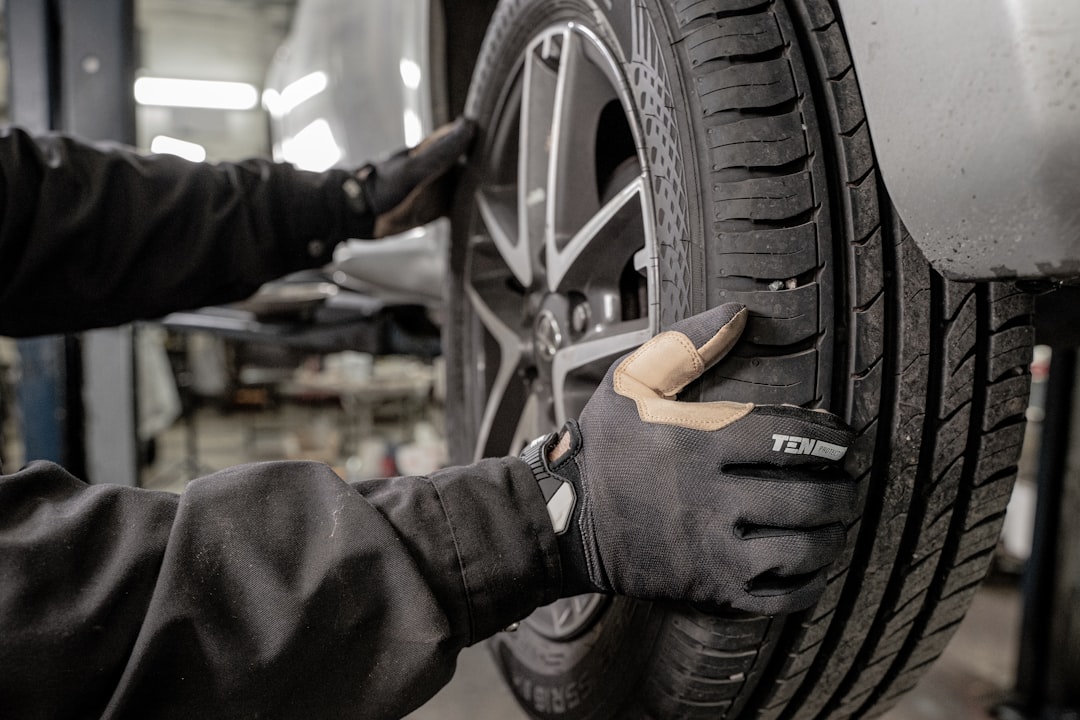
Tire Balancing vs. Alignment: What’s the Real Difference?
Tire balancing ensures each tire weighs the same around its circumference, while wheel alignment adjusts the angles of your wheels to be parallel to each other and perpendicular to the road. While both are vital for optimal vehicle performance and tire longevity, they are distinct services addressing separate issues.
Many drivers in King County and Pierce County, from the bustling streets of Seattle to the industrial hubs of Tacoma, often use the terms “tire balancing” and “wheel alignment” interchangeably. However, these are two fundamentally different, though equally important, automotive services. Understanding the distinction is key to maintaining your vehicle’s safety, handling, and the lifespan of your tires. At TireSquad, we specialize in ensuring your vehicle’s rolling components are in perfect working order, right at your doorstep.
Understanding Tire Balancing
Tire balancing addresses an imbalance in the weight distribution around a tire and wheel assembly. Even the most precisely manufactured tires can have slight weight variations. When mounted on a wheel, these minor differences can create a heavy spot. As the tire rotates, this heavy spot causes a vibration, typically felt in the steering wheel or the seat of your car, especially at highway speeds. This is common on routes like I-5 or SR 167.
Why Tire Balancing is Necessary
An unbalanced tire is more than just an annoyance; it can lead to:
- Uneven Tire Wear: The heavy spot causes the tire to bounce slightly, leading to cupping or bald spots developing prematurely.
- Vibrations: Unpleasant shaking in the steering wheel, floorboard, or entire vehicle.
- Increased Stress on Suspension Components: Constant vibrations can wear out shocks, struts, and other suspension parts faster.
- Reduced Driving Comfort: Vibrations make for a less enjoyable driving experience.
How Tire Balancing Works
Tire balancing is performed by mounting the tire and wheel assembly onto a specialized balancing machine. The machine spins the wheel at various speeds, detecting any imbalances. Small counterweights, usually made of metal clips, are then attached to the wheel’s rim at precise locations to offset the heavy spot. This process ensures the weight is evenly distributed, eliminating vibrations.
Practical Tip: It’s recommended to have your tires balanced whenever you get new tires installed, after a tire repair, or if you notice vibrations or uneven wear patterns. For drivers frequently traveling between Seattle and Tacoma, regular balancing can significantly improve ride quality.
Understanding Wheel Alignment
Wheel alignment, often referred to as “four-wheel alignment” or “tracking,” is the process of adjusting your vehicle’s suspension angles. These angles, known as camber, caster, and toe, determine how your wheels are oriented in relation to the road and to each other. Proper alignment ensures your tires are rolling straight and true, minimizing resistance and maximizing stability.
Why Wheel Alignment is Crucial
Misaligned wheels can cause a host of problems, including:
- Accelerated Tire Wear: Tires can wear out much faster and unevenly. For example, “toe-out” can cause feathering on the edges, while excessive “camber” can wear the inside or outside edge of the tire.
- Poor Handling and Steering: The vehicle may pull to one side, making it difficult to keep straight. The steering wheel might also be off-center when driving straight.
- Decreased Fuel Efficiency: When wheels aren’t aligned, they create more rolling resistance, forcing your engine to work harder.
- Compromised Safety: Improper alignment can affect braking and stability, especially in emergency maneuvers.
Common Causes of Misalignment
Wheel alignment can be knocked out of specification by various everyday occurrences, especially on the varied roads of Western Washington:
- Hitting a pothole (a common hazard on many King County and Pierce County roads).
- Driving over curbs.
- Minor collisions or impacts.
- Normal wear and tear on suspension components.
How Wheel Alignment is Performed
An alignment service involves using specialized equipment to measure the existing angles of your wheels. Technicians then make precise adjustments to the suspension and steering components to bring these angles back to the manufacturer’s specifications. According to the National Highway Traffic Safety Administration (NHTSA), proper tire inflation and alignment are critical for safe vehicle operation and optimal tire performance.
Practical Tip: Have your alignment checked annually, or any time you notice your vehicle pulling to one side, the steering wheel isn’t centered, or you experience rapid or uneven tire wear. Driving on roads like Highway 18, which can be rough, makes regular checks even more important.
Tire Balancing vs. Alignment: The Key Differences Summarized
To put it simply:
- Tire Balancing: Deals with the weight distribution of a single tire and wheel assembly. Its primary goal is to eliminate vibrations.
- Wheel Alignment: Deals with the angles of all four wheels in relation to the vehicle and the road. Its primary goal is to ensure proper handling, straight-line stability, and even tire wear.
Think of it this way: If your car feels like it has a jittery hum or vibration, especially at speed, it likely needs balancing. If your car drifts to one side, the steering wheel is crooked, or your tires are wearing out on the edges, it likely needs an alignment.
When to Consider Each Service
Here are some signs that might indicate a need for one service over the other:
Signs You Might Need Tire Balancing:
- Vibrations felt in the steering wheel or seat, especially at highway speeds (e.g., on I-405).
- A noticeable shimmy in the steering wheel.
- Uneven wear patterns that look like cupping or scalloping on the tire tread.
- New tires have been installed.
- You’ve experienced a tire repair.
Signs You Might Need Wheel Alignment:
- The vehicle pulls to the left or right.
- The steering wheel is off-center when driving straight.
- You notice uneven tire wear, particularly on the edges (inner or outer).
- The tires squeal during turns.
- You’ve recently hit a significant pothole or curb.
- Suspension components have been replaced.
The Tire Rack also emphasizes that proper alignment is crucial for maximizing the performance and longevity of your tires.
The Synergistic Relationship
While balancing and alignment are distinct, they work best together. A perfectly balanced tire on a misaligned wheel will still experience uneven wear and handling issues. Conversely, a perfectly aligned vehicle with unbalanced tires will still suffer from vibrations and premature wear. The Tire Industry Association (TIA) often highlights that both services are integral parts of comprehensive tire maintenance.
For drivers in the greater Seattle and Tacoma areas, maintaining both is essential given the varied driving conditions, from city commutes to highway travel. Neglecting either can lead to more costly repairs down the line.
Frequently Asked Questions
### Can tire balancing fix a car pulling to one side?
No, tire balancing addresses weight distribution to eliminate vibrations. A car pulling to one side is a symptom of a potential wheel alignment issue, not an imbalance.
### How often should I get my tires balanced and aligned?
It’s recommended to balance tires when new, after repairs, or if you feel vibrations. Get your alignment checked annually or if you notice handling issues or uneven tire wear.
### Will balancing my tires improve my gas mileage?
While balancing primarily addresses vibrations, significantly uneven wear caused by imbalances can slightly increase rolling resistance. However, proper alignment has a much more direct and significant impact on fuel efficiency.
### Is tire balancing or alignment more expensive?
Generally, wheel alignment is more complex and thus more expensive than a standard tire balance. Alignment involves adjusting suspension components, whereas balancing involves adding small weights.
Keep Your Ride Smooth and Safe with TireSquad
Whether you’re navigating the busy streets of Bellevue or cruising down to Tacoma, ensuring your tires are both balanced and properly aligned is paramount for safety, comfort, and the longevity of your tires. Don’t let vibrations or steering issues compromise your drive. TireSquad offers convenient mobile tire services across King County and Pierce County. We can come to your home or workplace to perform tire balancing, alignment checks, and a full range of tire maintenance services. Schedule your appointment today and experience the TireSquad difference!
Photo by Jimmy Nilsson Masth on Unsplash