
Run-Flat Tires: A Journey Through Innovation
Discover how run-flat tires have transformed from a niche concept to a sophisticated safety feature. This article delves into their historical development, technological leaps, and future potential.
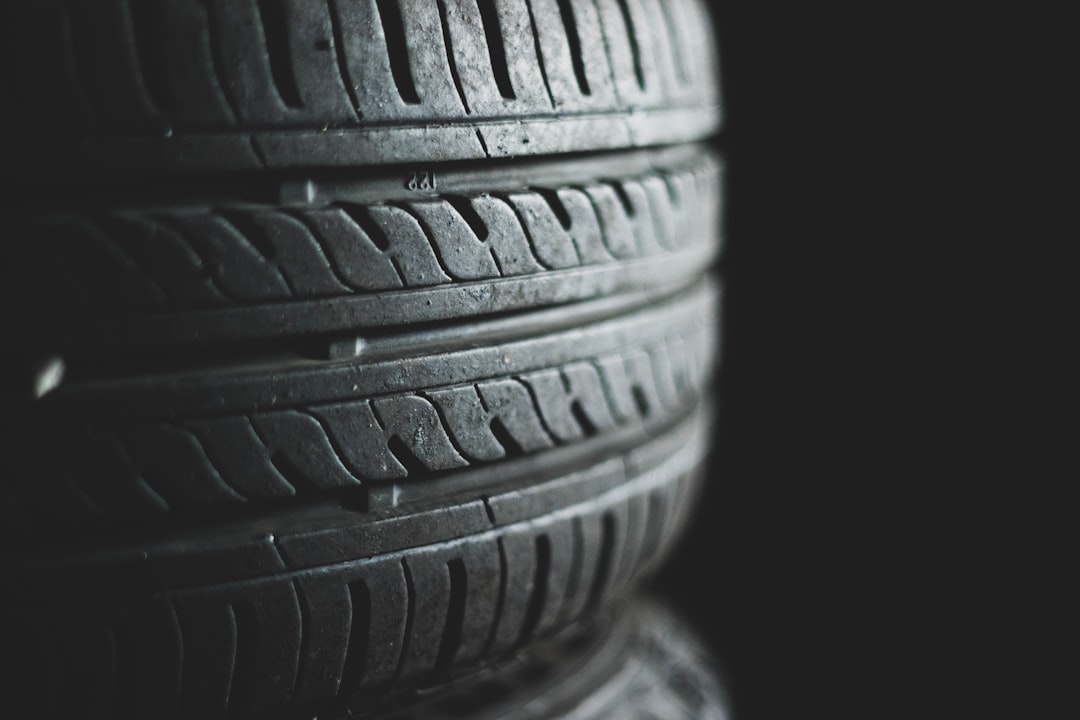
Run-flat tire technology, designed to allow a vehicle to continue driving for a limited distance at reduced speeds even after a complete loss of air pressure, has undergone a remarkable evolution since its inception. The core principle remains the same: to provide drivers with the crucial ability to reach a safe location following a puncture, avoiding the immediate danger and inconvenience of a roadside tire failure.
The Genesis of Run-Flat Technology
The idea of a tire that could withstand deflation and still function dates back to the early 20th century. Early attempts focused on reinforcing tire sidewalls to support the vehicle’s weight without air pressure. However, these early designs often resulted in an uncomfortably harsh ride and were prone to overheating. The concept truly began to gain traction with military applications, where the ability to maintain mobility under enemy fire was paramount. These early military run-flats were often heavy, cumbersome, and difficult to replace, limiting their appeal for civilian use.
Early Civilian Adoption and Challenges
The first significant civilian foray into run-flat technology began in the 1980s. Manufacturers recognized the potential safety benefits for everyday drivers, especially in areas where roadside assistance might be slow to arrive, a common concern for drivers in sprawling regions like King County and Pierce County. However, early civilian run-flats faced several hurdles:
- Ride Comfort: The reinforced sidewalls led to a significantly stiffer and less comfortable ride compared to conventional tires.
- Weight: These tires were considerably heavier, impacting fuel economy and vehicle handling.
- Cost: The advanced construction made them more expensive to produce and purchase.
- Replacement Issues: Specialized equipment was often needed for mounting and dismounting, making simple tire changes more complex.
Technological Advancements: The Modern Era of Run-Flats
The true breakthrough in run-flat technology came with advancements in materials science and tire construction. Two primary systems emerged, each with distinct approaches to achieving the run-flat capability:
Self-Supporting Run-Flat Tires
This is the most common type of run-flat tire today. These tires feature significantly reinforced sidewalls. These extra-stiff sidewalls are designed to bear the entire weight of the vehicle even when there is zero air pressure. The reinforcement is often achieved through specialized rubber compounds and internal support rings. When a puncture occurs, the driver can continue to travel for a limited distance, typically around 50 miles, at a reduced speed, usually no more than 50 mph. The Tire Industry Association (TIA) notes that while these tires offer convenience, drivers must be aware of their limitations and the importance of replacing them promptly after experiencing a deflation event.
Support Ring Run-Flat Tires
Less common in the aftermarket, these systems use an internal support ring made of hard rubber or other composite material that is fitted inside the tire. When the tire loses air pressure, the vehicle’s weight rests on this ring, allowing the tire to maintain its shape and support the vehicle. While effective, these systems can be more complex and often require specialized installation and removal.
Benefits and Drawbacks of Modern Run-Flats
The evolution of run-flat technology has brought significant benefits, but also some enduring drawbacks:
Advantages:
- Enhanced Safety: The primary benefit is the ability to maintain control and drive to safety after a puncture. This is particularly valuable on busy highways like I-5 or I-405 around Seattle and Tacoma, where pulling over abruptly can be dangerous.
- Convenience: Eliminates the need to change a tire on the side of the road, which can be especially beneficial during inclement Washington weather or late at night.
- Space Savings: Vehicles equipped with run-flats often do not carry a spare tire, freeing up trunk space and reducing vehicle weight.
- Vehicle Design: Allows for innovative vehicle designs that might not otherwise accommodate a spare tire.
Disadvantages:
- Ride Quality: While improved, the ride can still be firmer than with comparable conventional tires.
- Cost: Run-flat tires are generally more expensive than standard tires.
- Availability: The range of sizes and models might be more limited compared to conventional tires, though this is rapidly changing.
- Repairability: Many run-flat tires are not recommended for repair after being driven with zero air pressure, even if they appear undamaged. This is a critical point emphasized by the National Highway Traffic Safety Administration (NHTSA), which advises drivers to consult tire professionals for specific repair guidance.
The Role of Tire Pressure Monitoring Systems (TPMS)
Modern run-flat technology is intrinsically linked with Tire Pressure Monitoring Systems (TPMS). Because run-flat tires can sometimes sustain damage without obvious visual cues, TPMS is essential. It alerts the driver to a loss of pressure, allowing them to take action before the tire is severely damaged or fails completely. As mandated by NHTSA, TPMS is a crucial safety feature for all vehicles, but it is indispensable for those equipped with run-flat tires.
The Future of Run-Flat Technology
The innovation in run-flat technology is far from over. Future developments are likely to focus on:
- Improved Comfort: Continued research into new materials and construction techniques aims to further reduce the compromise in ride quality.
- Enhanced Durability: Increasing the distance and speed capabilities after deflation.
- Sustainability: Developing more eco-friendly manufacturing processes and materials.
- Integration with Smart Technology: Further integration with vehicle diagnostics for predictive maintenance and real-time performance monitoring.
As vehicles become more sophisticated and the demand for enhanced safety and convenience grows, run-flat technology will undoubtedly continue to play a significant role. For drivers in the Seattle, Bellevue, Tacoma, and surrounding areas, understanding these advancements ensures they can make informed decisions about their tire choices.
Frequently Asked Questions About Run-Flat Tires
Can run-flat tires be repaired?
Many run-flat tires are not repairable once they have been driven on with zero air pressure, even if the puncture seems minor. Always consult a tire professional.
Do I need a special TPMS with run-flat tires?
No, standard TPMS systems are compatible and essential for run-flat tires to alert you to pressure loss.
How far can I drive on a run-flat tire after a puncture?
Typically, you can drive about 50 miles at speeds up to 50 mph, but always check the tire manufacturer’s specific recommendations.
Are run-flat tires worth the extra cost?
For many drivers, the added safety and convenience, especially in unpredictable conditions or remote areas, outweigh the higher cost and slightly firmer ride.
Navigating the complexities of tire technology can be challenging. When you need expert advice or a convenient tire solution in King County or Pierce County, remember TireSquad is here to help. Our mobile tire service brings professional installation, replacement, and repair directly to your location, whether you’re in Seattle, Tacoma, Bellevue, or anywhere in between. Don’t let a flat tire disrupt your day; book your appointment with TireSquad today and experience the ultimate in automotive convenience.
Photo by Benjamin Brunner on Unsplash