
Run-Flat Tire Evolution: From Concept to Convenience
Discover the incredible journey of run-flat tire technology, a significant advancement in automotive safety and convenience. From its conceptual beginnings to the sophisticated systems we see today, run-flats have transformed the driving experience, especially for those navigating the diverse terrains of King and Pierce Counties.
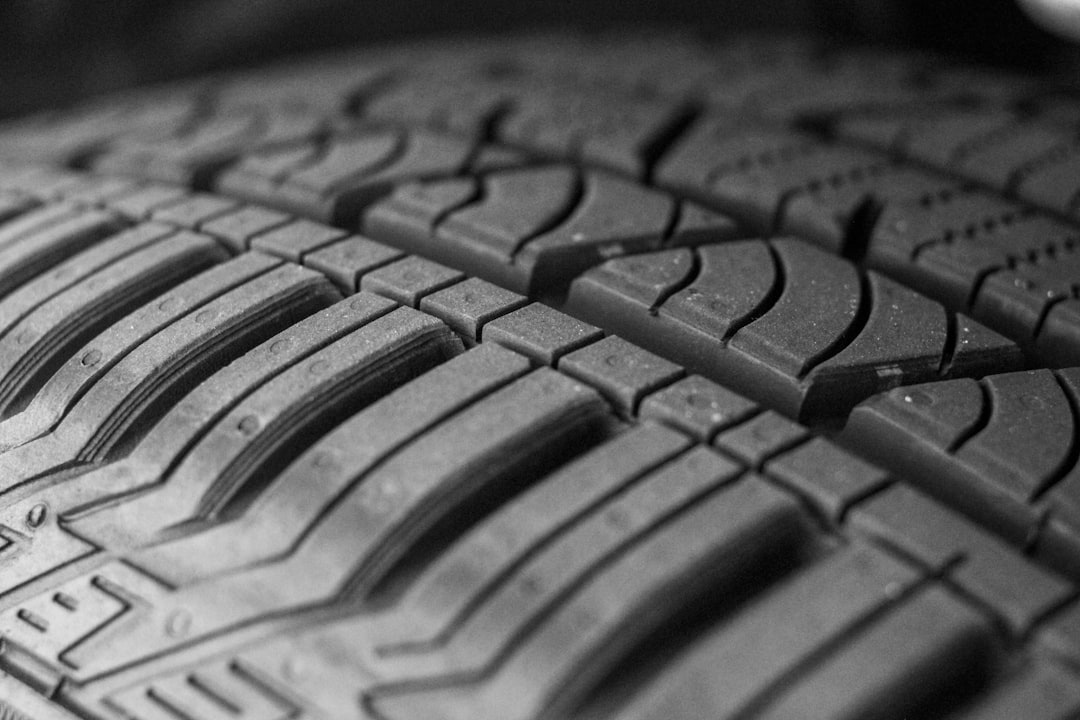
Run-flat tires are a significant advancement in automotive safety and convenience, allowing drivers to continue their journey for a limited distance at reduced speed even after a complete loss of tire pressure.
The Genesis of Run-Flat Technology
The concept of a tire that can function without air pressure has a surprisingly long history, with early ideas emerging as far back as the early 20th century. The primary goal was always to eliminate the risk and inconvenience associated with a flat tire, particularly for military vehicles and long-distance travelers. Early attempts often involved reinforced sidewalls or internal support structures, but these early designs were heavy, uncomfortable, and compromised ride quality. The true breakthrough required advancements in materials science and tire engineering.
Early Innovations and Practical Challenges
The initial commercial applications of run-flat technology in the late 20th century focused on two main approaches: self-supporting run-flat tires and support ring systems. Self-supporting tires, the most common type today, feature reinforced sidewalls that are stiff enough to bear the vehicle’s weight even when deflated. These strengthened sidewalls prevent the tire from collapsing and damaging the wheel rim. Support ring systems, on the other hand, utilize a hard rubber or plastic ring mounted inside the tire, which supports the vehicle’s weight when the tire loses pressure. While effective, these early systems often led to a harsher ride, increased weight, and were more expensive than conventional tires.
The challenge for engineers was to create a tire that offered the safety benefit of run-flat capability without significantly sacrificing comfort, handling, or fuel efficiency. Early iterations often fell short, leading to a perception that run-flat tires were inherently inferior in terms of ride quality. This perception, while understandable given the limitations of early designs, has been a hurdle that manufacturers have worked diligently to overcome through continuous innovation.
The Evolution of Self-Supporting Run-Flat Tires
The most significant evolution in run-flat technology has been the refinement of the self-supporting design. Modern run-flat tires achieve their capability through several key engineering advancements:
- Reinforced Sidewalls: The sidewalls are significantly thicker and stiffer than those on conventional tires. They are constructed with specialized rubber compounds and internal support layers that prevent the tire from collapsing when deflated. This allows the tire to support the vehicle’s load for a specified distance, typically around 50 miles, at a reduced speed, often around 50 mph.
- Advanced Rubber Compounds: Tire manufacturers have developed sophisticated rubber compounds that balance the need for sidewall stiffness with flexibility for a more comfortable ride. These compounds also improve tread life and overall performance.
- Weight Optimization: While still generally heavier than standard tires, advancements in materials and design have helped reduce the weight penalty associated with run-flats.
These improvements have made self-supporting run-flat tires a much more viable and appealing option for a wider range of vehicles. For drivers in the Seattle, Bellevue, and Tacoma areas, where unpredictable weather and varied road conditions are common, the ability to safely reach a service center after a puncture can be invaluable.
The Crucial Role of Tire Pressure Monitoring Systems (TPMS)
A critical component of the modern run-flat system is the Tire Pressure Monitoring System, or TPMS. Because run-flat tires often do not show obvious signs of deflation (they don’t sag like conventional tires), a TPMS is essential for alerting the driver to a loss of pressure. NHTSA mandates that all new passenger vehicles sold in the U.S. be equipped with TPMS. This system continuously monitors the air pressure in each tire and warns the driver via an indicator light on the dashboard if the pressure in one or more tires drops significantly below the recommended level. Without a functioning TPMS, a driver might unknowingly continue to drive on a deflated run-flat tire, potentially exceeding its safe operating limits and causing further damage or compromising safety.
For drivers in King County and Pierce County, where traffic can be unpredictable, a functioning TPMS is your first line of defense, ensuring you are aware of any pressure loss and can take appropriate action.
Benefits of Modern Run-Flat Technology
The evolution of run-flat technology has brought about several compelling benefits for drivers:
- Enhanced Safety: The most significant benefit is the ability to maintain control of the vehicle after a puncture. Drivers can avoid sudden blowouts, which can be particularly dangerous at higher speeds or in adverse weather conditions common in Washington state. It eliminates the need to immediately pull over to a potentially unsafe location to change a tire.
- Increased Convenience: No more roadside tire changes in the rain or dark. Drivers can safely proceed to a tire service center or home. For those with busy schedules in areas like Redmond or Puyallup, this means less disruption to their day.
- Reduced Risk of Wheel Damage: A deflated conventional tire can quickly damage the wheel rim, leading to more expensive repairs. Run-flats prevent this by maintaining their structural integrity.
- Space Saving: Vehicles equipped with run-flat tires may not need a spare tire, freeing up trunk space. This is a notable advantage for smaller vehicles or those looking to maximize cargo capacity.
Considerations and Limitations
Despite their advancements, run-flat tires are not without their considerations:
- Ride Comfort: While significantly improved, some drivers may still notice a slightly firmer ride compared to conventional tires, especially at lower speeds or over rough surfaces.
- Cost: Run-flat tires are generally more expensive to purchase than comparable conventional tires.
- Repairability: The repairability of run-flat tires can be a point of contention. According to the Tire Industry Association (TIA), many tire manufacturers and repair facilities have specific guidelines regarding the repair of run-flat tires. Often, if the tire has been driven on with zero pressure for any significant distance, it may not be repairable due to internal structural damage. Always consult with a qualified tire professional.
- Availability: While becoming more common, the range of sizes and specific models available for run-flat tires might be more limited compared to conventional tires.
Navigating Run-Flats in King and Pierce Counties
For residents and commuters in the Seattle, Bellevue, Tacoma, and surrounding areas, run-flat tires offer a compelling solution to the common frustrations of flat tires. Imagine being on your way to an important meeting in downtown Seattle or heading to a Mariners game in Tacoma, and experiencing a slow leak. Instead of pulling over on a busy I-5 shoulder, you can safely continue to your destination or a tire shop. This is where the peace of mind offered by run-flat technology truly shines.
However, it’s crucial to understand their limitations. If your TPMS alerts you to a pressure loss, reduce your speed and limit driving to the nearest safe location. Do not push the limits of the tire’s run-flat capability. Prompt professional inspection is always recommended. If you find yourself with a punctured run-flat tire, or need to replace your existing ones, remember that a mobile tire service can be incredibly convenient. Instead of arranging a tow or waiting at a shop, a technician can come to you in Kent, Lakewood, or anywhere in between.
The Future of Run-Flat Technology
The future of run-flat technology likely involves further integration with vehicle electronics and even greater emphasis on comfort and sustainability. We may see advancements in self-healing materials, smart tires that can actively adjust their stiffness, and even more efficient manufacturing processes. As vehicles become more technologically advanced, the role of sophisticated tire systems like run-flats will only continue to grow.
Frequently Asked Questions about Run-Flat Tires
Can I replace my regular tires with run-flat tires?
Generally, yes, but it is highly recommended to ensure your vehicle is equipped with a functioning Tire Pressure Monitoring System (TPMS) and that your vehicle’s suspension is designed to handle the slightly stiffer ride. Consult your vehicle manufacturer or a tire professional.
How far can I drive on a run-flat tire?
Most run-flat tires can travel approximately 50 miles at speeds up to 50 mph after losing all air pressure. Always check the manufacturer’s specific recommendations for your tires.
Are run-flat tires repairable?
Repairability depends on the extent of the damage and whether the tire was driven on with zero pressure for an extended period. Many run-flats driven on while flat are not considered repairable due to potential internal damage. Always have them inspected by a professional.
What is the main advantage of run-flat tires?
The primary advantage is the ability to continue driving safely for a limited distance after a puncture, avoiding roadside tire changes and maintaining vehicle control.
Navigating tire issues in the Seattle and Tacoma metro areas doesn’t have to be a major hassle. Whether you have run-flat tires or conventional ones, TireSquad offers convenient mobile tire services. From flat repairs to complete replacements, our expert technicians can come to your home or workplace, saving you time and inconvenience. Book your mobile tire service today at TireSquad.fieldd.co or call us at (206) 650-1302 and experience the ease of professional tire care at your doorstep.