
Roadside Tire Prep: Be Ready for Emergencies
Unexpected tire trouble can happen anywhere, even during your commute through Seattle or Tacoma. This guide provides crucial emergency roadside tire preparation tips to ensure you're never caught off guard. Learn what to pack, how to stay safe, and when to call for professional help.
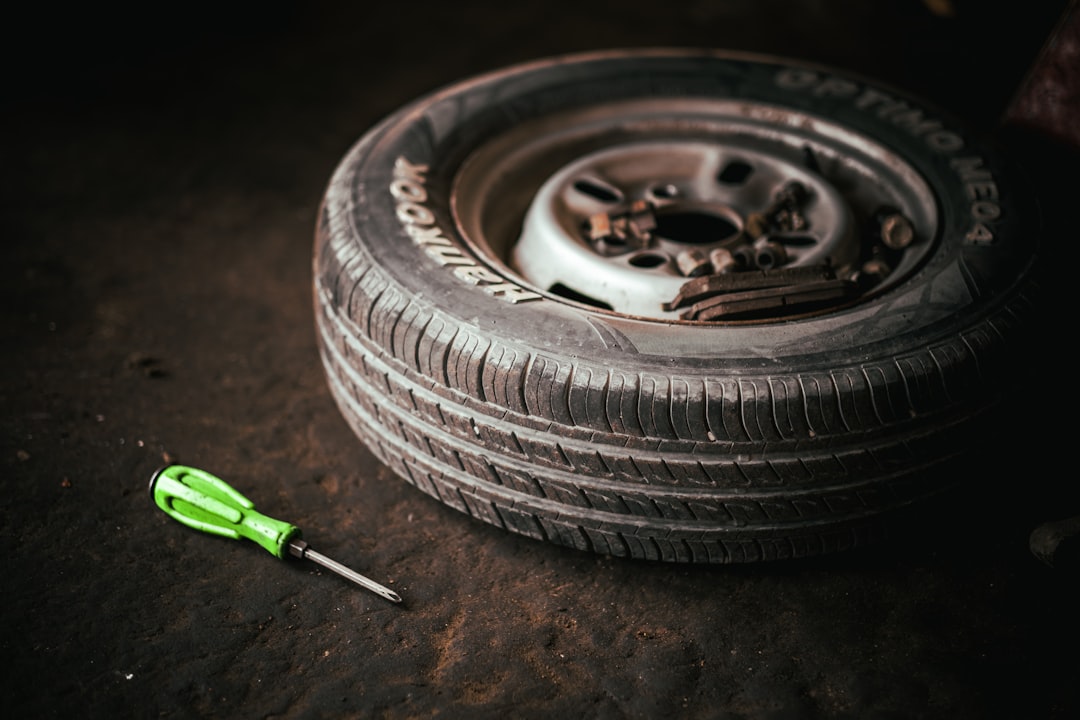
Emergency roadside tire preparation is crucial for any driver to ensure safety and minimize disruption when a tire issue arises unexpectedly. Being prepared means having the right knowledge and tools to handle a flat tire or blowout safely, whether you’re on a busy I-5 stretch in Tacoma or a quieter road in Bellevue.
Why Emergency Tire Preparedness Matters
A flat tire or blowout can occur without warning, turning a routine drive into a stressful situation. Factors like road debris, underinflation, or even hitting a pothole—common occurrences on roads throughout King County and Pierce County—can lead to tire failure. According to the National Highway Traffic Safety Administration (NHTSA), proper tire maintenance and preparedness are vital for vehicle safety. Without adequate preparation, drivers may find themselves stranded in unsafe locations, vulnerable to traffic hazards, or unable to make necessary repairs.
Essential Items for Your Emergency Tire Kit
Assembling a comprehensive emergency tire kit is the first step in being prepared. This kit should be readily accessible in your vehicle, ideally in the trunk or a designated storage compartment. Consider these essential components:
- Spare Tire: Ensure your spare tire is properly inflated and in good condition. A donut spare is a temporary solution; a full-size spare is preferable if your vehicle can accommodate it.
- Jack and Lug Wrench: These are essential for lifting your vehicle and removing the lug nuts. Familiarize yourself with how to use your specific car’s jack before an emergency arises.
- Tire Pressure Gauge: Regularly checking tire pressure is key to preventing issues. A gauge allows you to confirm the pressure of your spare and any tires you might need to service.
- Tire Inflator/Sealant: For minor punctures, a portable air compressor and a tire sealant can sometimes provide a temporary fix to get you to a service location.
- Work Gloves: Changing a tire can be a dirty job. Gloves will protect your hands.
- Flashlight and Reflective Triangles: Essential for visibility, especially if you experience a flat at night or in low-light conditions on busy routes like SR 167.
- Owner’s Manual: This contains specific information about your vehicle, including jacking points and recommended tire pressures.
- Basic Toolkit: A few essential tools, like pliers and a screwdriver, can be helpful.
Steps for Safe Tire Change on the Roadside
If you encounter a flat tire, your immediate priority is safety. Pull over as far as possible from traffic, ideally to a level, stable surface away from curves or hills. Avoid stopping on soft shoulders or inclines. The American Automobile Association (AAA) emphasizes finding a safe location as the primary step.
1. Secure Your Vehicle
Once stopped, turn on your hazard lights. Engage the parking brake firmly. If you have wheel chocks or sturdy objects like bricks, place them behind the opposite wheel to prevent rolling. For vehicles with manual transmissions, putting the car in first gear or reverse can also help.
2. Gather Your Tools and Spare
Retrieve your spare tire, jack, and lug wrench from your trunk. Consult your owner’s manual to locate the correct jacking points for your vehicle. Improper jacking can damage your car or lead to instability.
3. Loosen Lug Nuts
Before lifting the vehicle, use the lug wrench to loosen the lug nuts on the flat tire. Turn them counterclockwise. They may be tight, so you might need to use significant force. Loosen them only about a half to a full turn; do not remove them completely yet.
4. Jack Up the Vehicle
Position the jack at the designated jacking point nearest the flat tire. Slowly operate the jack to raise the vehicle until the flat tire is completely off the ground. Ensure the jack remains stable throughout the process.
5. Remove the Flat Tire
Completely unscrew the loosened lug nuts by hand. Keep them together in a safe place, like a hubcap or pocket. Carefully pull the flat tire straight toward you and set it aside.
6. Mount the Spare Tire
Align the spare tire with the wheel studs and slide it onto the hub. Replace the lug nuts and tighten them by hand as much as possible. Ensure the spare is seated correctly.
7. Lower the Vehicle and Tighten Lug Nuts
Slowly lower the vehicle using the jack until the spare tire is firmly on the ground. Now, use the lug wrench to tighten the lug nuts securely. Tighten them in a star pattern (across from each other) to ensure even pressure. Go around the pattern a couple of times to ensure they are as tight as they can be.
8. Final Checks and Cleanup
Lower the vehicle completely. Give the lug nuts one final tightening. Store the flat tire and all tools back in your trunk. Double-check that your spare tire is properly inflated as soon as possible, and ideally, have the flat tire repaired or replaced by a professional.
When to Call for Professional Mobile Tire Service
While knowing how to change a tire is a valuable skill, there are situations where professional help is the safest and most practical option. The Tire Industry Association (TIA) recommends seeking professional assistance for complex tire issues or if you are uncomfortable performing the change yourself.
- Unsafe Location: If you are on a busy highway, a narrow shoulder, or a location with poor visibility, it is safer to wait for professional assistance.
- Damaged Wheel or Studs: If the wheel itself is damaged, or if a lug stud is broken, a roadside tire change may not be possible.
- Lack of Equipment: If your spare tire is flat, or if you are missing essential tools like a jack or lug wrench, you will need help.
- Physical Limitations: Changing a tire can be physically demanding. If you are unable or uncomfortable performing the task, don’t hesitate to call for help.
- Extreme Weather: Driving through heavy rain or snow, common in the Seattle and Tacoma areas, can make roadside tire changes dangerous.
Proactive Tire Preparation for King and Pierce County Drivers
Beyond carrying an emergency kit, proactive preparation is key to avoiding roadside tire emergencies. Regularly inspecting your tires for wear, proper inflation, and any signs of damage is crucial. This includes checking tread depth, looking for cuts or bulges, and ensuring your Tire Pressure Monitoring System (TPMS) is functioning correctly.
For drivers in King County and Pierce County, understanding the local road conditions can also aid in preparation. Potholes, construction zones, and varying weather—from dry summer days to the heavy rain of fall and winter—all put stress on your tires. Keeping your tires properly inflated can improve fuel efficiency and reduce the risk of blowouts. For example, maintaining the recommended tire pressure for your vehicle, as often found on a sticker in the driver’s side doorjamb, is a simple yet effective preventative measure.
Frequently Asked Questions About Emergency Tire Preparation
How often should I check my spare tire?
Your spare tire should be checked for proper inflation and condition at least once a year, and preferably every time you check your other tires.
Can I drive on a donut spare long distances?
No, donut spares are intended for temporary, short-distance use to reach a repair shop. They have speed and distance limitations that should not be exceeded.
What should I do if my tire blows out while driving?
Grip the steering wheel firmly, avoid slamming on the brakes, and gently ease off the accelerator. Steer the vehicle in a straight line until you can safely pull over to the side of the road.
Is it safe to repair a sidewall puncture?
Sidewall punctures are generally not repairable and require tire replacement for safety reasons.
Stay Prepared with TireSquad Mobile Service
Emergencies happen, but being prepared can make all the difference. Whether you need a tire change, a patch, or a full replacement, TireSquad offers convenient mobile tire service across Seattle, Bellevue, Tacoma, and surrounding areas in King County and Pierce County. Don’t let a flat tire derail your day. If you find yourself in a roadside tire emergency or need routine maintenance to prevent one, book an appointment or call TireSquad today at (206) 650-1302 or visit tiresquad.fieldd.co for reliable, professional, and mobile tire solutions.
Photo by Tahamie Farooqui on Unsplash
Want more like this? Add TireSquad as a preferred source on Google.