
TPMS Explained: Your Guide to Tire Pressure Monitoring
Proper tire pressure is crucial for safety and fuel efficiency. This guide explains what TPMS is, why it matters, and how TireSquad provides expert mobile TPMS service across King and Pierce Counties.
What is TPMS and Why Does It Matter?
TPMS, or Tire Pressure Monitoring System, is an electronic system designed to alert drivers when tire pressure is significantly low. It plays a vital role in vehicle safety and optimal tire performance. The system uses sensors inside each tire to measure air pressure and transmits this data wirelessly to a central computer in your vehicle. If the pressure in any tire drops below a safe level, a warning light will illuminate on your dashboard, prompting you to check your tires.
Understanding your TPMS is essential for maintaining your vehicle’s safety and efficiency. Underinflated tires can lead to a host of problems, including reduced fuel economy, increased tire wear, compromised handling, and a higher risk of tire failure or blowouts. Overinflated tires can also cause issues, such as a harsher ride and uneven wear. Properly inflated tires are key to a safe and smooth drive, whether you’re navigating the busy streets of Seattle or the highways of Tacoma.
The Technology Behind TPMS
There are two main types of TPMS systems: direct and indirect.
Direct TPMS
Direct TPMS systems use individual pressure sensors mounted on the valve stem inside each wheel. These sensors constantly monitor the air pressure in each tire and send real-time data to the vehicle’s computer. This system provides the most accurate readings and can often identify a slow leak in a specific tire. Some direct systems even display the actual pressure for each tire on your dashboard or infotainment screen.
Indirect TPMS
Indirect TPMS systems work by using the Anti-lock Braking System (ABS) wheel speed sensors. The vehicle’s computer infers tire pressure by comparing the rotational speed of each wheel. If a tire is underinflated, it will rotate slightly faster than a properly inflated tire. While less precise than direct TPMS, indirect systems are typically less expensive to manufacture and maintain. However, they generally cannot detect a slow leak in a single tire and may require recalibration after adjusting tire pressure or rotating tires.
Benefits of a Functional TPMS
A functioning TPMS system offers significant advantages for drivers:
- Enhanced Safety: Properly inflated tires are crucial for maintaining control of your vehicle, especially in challenging conditions common in the Pacific Northwest, like heavy rain or winding roads. Low pressure can lead to poor handling and increased braking distances.
- Improved Fuel Efficiency: Underinflated tires increase rolling resistance, meaning your engine has to work harder to move the vehicle. This leads to more frequent trips to the gas station. According to the U.S. Department of Energy, keeping tires properly inflated can improve your gas mileage by up to 3%.
- Extended Tire Life: Uneven tire pressure causes uneven wear. When tires are properly inflated, they wear more evenly, extending their lifespan and saving you money on premature replacements. The National Highway Traffic Safety Administration (NHTSA) emphasizes the importance of proper inflation for tire longevity and safety.
- Reduced Environmental Impact: Better fuel efficiency means lower CO2 emissions, contributing to a cleaner environment.
- Early Leak Detection: TPMS can alert you to a slow leak before it becomes a major problem, potentially preventing a blowout or a roadside emergency, whether you’re on I-5 near Tacoma or navigating a busy intersection in Bellevue.
Common TPMS Issues and Troubleshooting
Several factors can cause your TPMS light to illuminate:
- Low Tire Pressure: This is the most common reason. Temperature fluctuations, especially the cool, damp weather we often experience in King County and Pierce County, can cause tire pressure to drop. A small puncture or slow leak can also be the culprit.
- Temperature Changes: As mentioned, colder weather can decrease tire pressure. Conversely, very hot weather can increase it.
- TPMS Sensor Malfunction: The sensors themselves can fail over time due to battery depletion, corrosion, or physical damage.
- Recalibration Needed: After adjusting tire pressure, rotating tires, or replacing a tire, the TPMS system may need to be recalibrated. This is particularly common with indirect TPMS systems.
- Faulty TPMS Module: While less common, the central control module for the TPMS can sometimes malfunction.
When to Seek Professional TPMS Service
While checking your tire pressure regularly is a simple DIY task, addressing TPMS issues often requires professional attention. If your TPMS warning light stays on after you’ve confirmed your tires are properly inflated, or if it flashes, it indicates a system malfunction. A flashing light usually signifies a more serious system problem that needs immediate attention. Ignoring a persistent TPMS light can lead to unsafe driving conditions and potentially more expensive repairs down the line.
The Tire Industry Association (TIA) recommends that tire service professionals be trained to handle TPMS diagnostics and repairs. Improper handling can damage the sensors or the vehicle’s computer system. For residents in the Seattle, Bellevue, Tacoma, and surrounding areas, having a reliable mobile service like TireSquad available is a significant advantage. We can come to your home or workplace to diagnose and service your TPMS, saving you time and hassle.
Practical Tips for Maintaining Your TPMS
Here are some actionable tips to ensure your TPMS is working correctly and to maintain optimal tire pressure:
- Check Pressure Regularly: Even with TPMS, it’s good practice to check your tire pressure manually at least once a month and before long trips. Use a reliable tire pressure gauge. The recommended pressure for your vehicle can be found on the sticker inside the driver’s side doorjamb or in your owner’s manual, NOT on the tire sidewall itself.
- Understand Your Warning Light: Learn what your TPMS warning light looks like and what it signifies. A steady light usually means low pressure, while a flashing light suggests a system malfunction.
- Address Warnings Promptly: Don’t ignore the TPMS light. If it illuminates, check your tire pressure as soon as possible.
- Seasonal Adjustments: Be mindful of temperature changes. As the seasons shift in Washington, so will your tire pressure. You may need to adjust it more frequently in the fall and spring.
- Know Your System Type: Understanding whether you have direct or indirect TPMS can help you anticipate its behavior, especially after tire rotations or pressure adjustments.
- Trust the Professionals: For any TPMS diagnostics, sensor replacements, or recalibrations, rely on experienced technicians.
Frequently Asked Questions About TPMS
What does a flashing TPMS light mean?
A flashing TPMS light typically indicates a malfunction within the Tire Pressure Monitoring System itself, such as a faulty sensor or a problem with the control module, rather than just low tire pressure.
Can I drive with the TPMS light on?
While you can technically drive with the TPMS light on, it is not recommended. A steady light signifies low pressure which compromises safety and efficiency; a flashing light indicates a system issue that needs professional attention.
How often should TPMS sensors be replaced?
TPMS sensors have batteries that typically last between 5 to 10 years. They may need replacement sooner if they are damaged or corroded; otherwise, replacement is usually done when the battery dies or if the sensor malfunctions.
Does rotating tires affect TPMS?
Yes, rotating tires often requires recalibration of the TPMS, especially for indirect systems. For direct systems, the vehicle’s computer usually recognizes the sensor’s new position, but recalibration might still be recommended by the manufacturer.
Your Local TPMS Experts at TireSquad
Maintaining the correct tire pressure is fundamental to your vehicle’s performance, safety, and longevity. Your TPMS is a critical tool in helping you achieve this. Whether you’re dealing with the daily commute in Seattle, the scenic routes around Lake Washington, or the industrial corridors of Tacoma, having a reliable tire pressure monitoring system is essential.
If your TPMS warning light is on, or if you suspect an issue with your system, don’t wait. TireSquad offers convenient, professional mobile tire service across King County and Pierce County. We can diagnose, repair, and reset your TPMS system right at your location. Book your appointment today by visiting tiresquad.fieldd.co or call us at (206) 650-1302. Drive with confidence, knowing your tires are properly monitored and maintained.
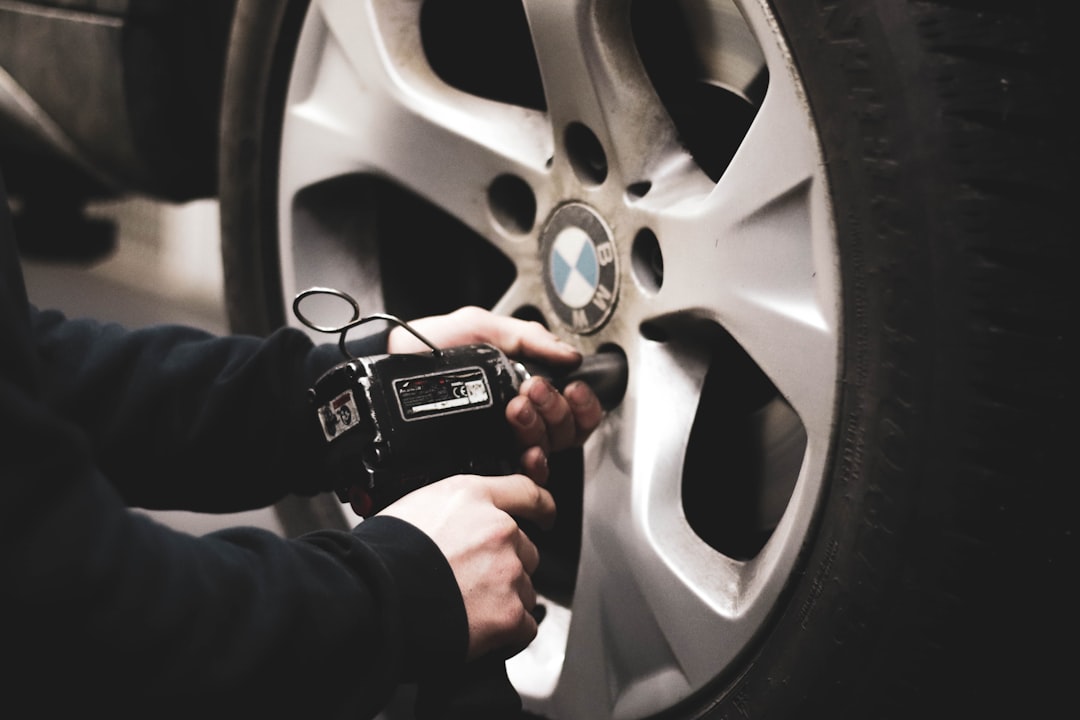
Photo by Benjamin Brunner on Unsplash
Want more like this? Add TireSquad as a preferred source on Google.