
Spring Tire Inspection Checklist for WA Drivers
As warmer weather arrives in the Seattle and Tacoma areas, it's time to give your tires a thorough spring inspection. Ensure safety and optimal performance with our comprehensive checklist.
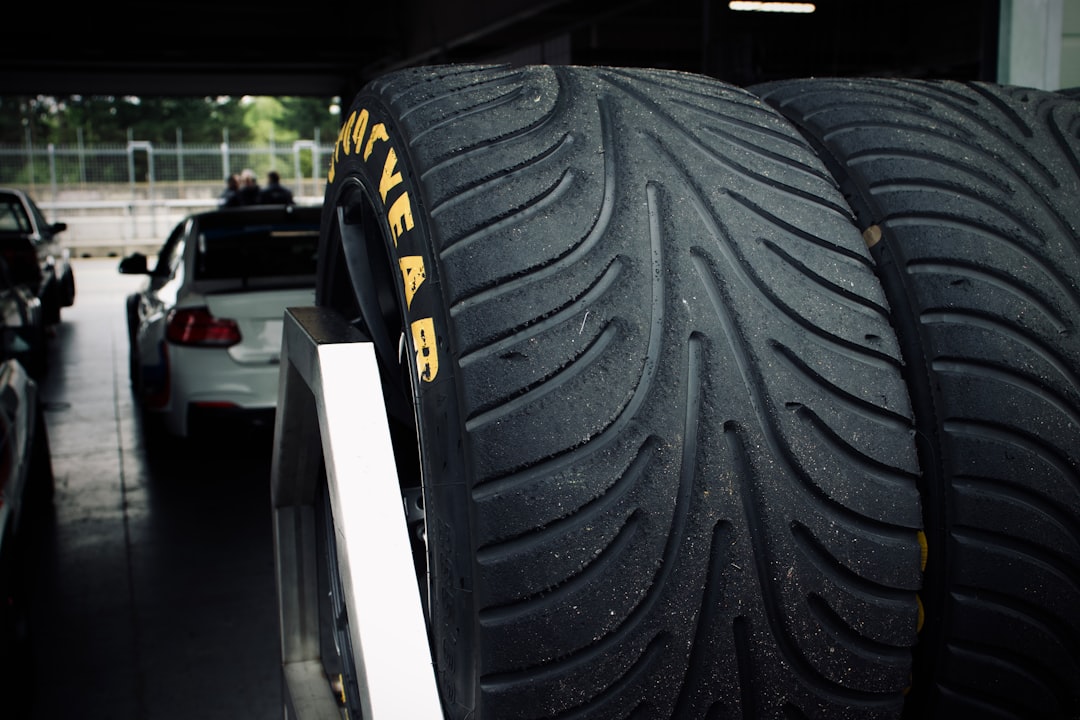
Spring Tire Inspection Checklist: Get Your Vehicle Ready for Warmer Months
A spring tire inspection is crucial for ensuring your vehicle is safe and performing optimally as you transition from winter driving conditions to the warmer months ahead in King and Pierce Counties. This comprehensive checklist covers the essential checks every driver should perform to identify potential issues and maintain tire longevity.
Why Spring Tire Inspection Matters
Winter weather, with its cold temperatures, snow, ice, and road salt, can take a significant toll on your tires. Low temperatures can cause tire pressure to drop, while potholes and rough road conditions can lead to unseen damage. Spring is the perfect time to assess any potential winter-induced wear and tear and prepare your vehicle for the varied driving conditions of the Pacific Northwest, from sunny days in Bellevue to rainy drives in Tacoma.
Your Essential Spring Tire Inspection Checklist
1. Tire Pressure Check
Proper tire inflation is fundamental for safety, fuel efficiency, and tire wear. Cold weather can decrease tire pressure, while warmer weather can cause it to increase slightly. Always check your tire pressure when the tires are cold, meaning they haven’t been driven for at least three hours. The recommended pressure for your vehicle is typically found on a sticker in the driver’s side doorjamb or in your owner’s manual. Overinflated or underinflated tires can lead to uneven wear and reduced handling.
2. Tread Depth Assessment
Adequate tread depth is vital for grip, especially on wet roads common in the Seattle area. The legal minimum tread depth in most places is 2/32 of an inch. However, for optimal safety, especially in rainy conditions, a tread depth of 4/32 of an inch or more is recommended. You can check tread depth using a specialized tread depth gauge or the simple ‘penny test’. Insert a penny into the deepest part of the tread with Lincoln’s head facing down. If you can see the top of Lincoln’s head, your tread depth is likely below the recommended safety level.
3. Visual Inspection for Damage
Walk around your vehicle and carefully inspect each tire for any visible signs of damage. Look for:
- Cuts and Cracks: Inspect the sidewalls and tread for any nicks, cuts, or cracks, which can be signs of aging rubber or damage from road debris.
- Bulges or Blisters: These indicate potential structural weakness in the tire and pose a serious safety risk. A tire with a bulge should be replaced immediately.
- Foreign Objects: Check for nails, screws, stones, or other debris embedded in the tread or sidewall.
- Uneven Wear Patterns: Look for signs of wear on the edges, center, or in patches. This can indicate issues with inflation, alignment, or balancing.
4. Check for Uneven Tire Wear
Uneven wear is a tell-tale sign that something is amiss with your vehicle’s suspension, alignment, or tire pressure. Common patterns include:
- Edge Wear: Indicates underinflation.
- Center Wear: Suggests overinflation.
- Feathering or Cupping: Often points to alignment issues.
According to the National Highway Traffic Safety Administration (NHTSA), proper tire maintenance, including regular checks for wear and pressure, is a key component of vehicle safety.
5. Valve Stem and Cap Inspection
Valve stems are small but critical components that hold air in your tires. Inspect them for cracks, leaks, or damage. Ensure the valve caps are securely in place, as they help keep dirt and moisture out of the valve core, preventing slow leaks.
6. Look for Signs of Aging Rubber
Tires degrade over time, even if they have plenty of tread. Look for signs of rubber aging, such as dry rot, which appears as small cracks on the sidewalls. The Tire Industry Association (TIA) recommends replacing tires that are six years old or older, regardless of tread depth, as the rubber compounds can degrade.
7. Consider Wheel Alignment
If you notice uneven wear patterns on your tires, or if your vehicle pulls to one side when driving on a straight road, it’s a strong indicator that your wheel alignment needs to be checked. Proper alignment ensures your tires are all pointing in the right direction, which is crucial for handling, tire longevity, and fuel efficiency. This is particularly important after encountering potholes common on many King County roads during winter.
8. Balance Your Tires
Tire balancing ensures that the weight of the tire and wheel assembly is distributed evenly around the axle. If your vehicle vibrates at certain speeds, especially on the highway between Seattle and Tacoma, it might be time for a tire balance. Unbalanced tires can lead to a bumpy ride and accelerated wear.
Practical Tips for Spring Tire Maintenance
- Keep a Tire Log: Note down the date of your last tire inspection, rotation, and any services performed.
- Clean Your Tires: Wash your tires regularly to remove road grime, salt, and other contaminants that can degrade the rubber.
- Check Your Spare: Don’t forget to inspect your spare tire. Ensure it’s properly inflated and in good condition, just in case you need it on your commute.
- Understand Tire Markings: Familiarize yourself with the information on your tire sidewalls, such as the tire size, load index, and speed rating.
When to Call the Professionals
While many of these checks can be done at home, some require specialized equipment or expertise. If you find significant damage, suspect alignment issues, or are unsure about the condition of your tires, it’s time to call in the experts. Regular professional inspections are key to maintaining tire health and ensuring your safety on the road.
Frequently Asked Questions
How often should I check my tire pressure?
It’s recommended to check your tire pressure at least once a month and before any long road trips.
What is the biggest danger of underinflated tires?
Underinflated tires can overheat, leading to a higher risk of a blowout and significantly reduced tire life.
Can I ignore a bulge on my tire sidewall?
No, a bulge on a tire sidewall indicates a serious structural defect and the tire must be replaced immediately for safety reasons.
Get Spring-Ready with TireSquad Mobile Service
Don’t let tire concerns keep you from enjoying the beautiful spring weather in Washington. Whether you need a thorough inspection, tire rotation, balancing, or even a new set of tires, TireSquad offers convenient mobile tire services right at your home or office in Seattle, Bellevue, Tacoma, and surrounding areas. We bring the tire shop to you, saving you time and hassle. Book your spring tire service today by visiting tiresquad.fieldd.co or calling us at (206) 650-1302.
Photo by Jakub Neskora on Unsplash