
Maximize Tire Life: Expert Care Tips
Unlock the secrets to making your tires last longer. Proper care and maintenance are key to extending tire life, saving you money, and ensuring your safety on the road. TireSquad offers convenient mobile services across King and Pierce Counties.
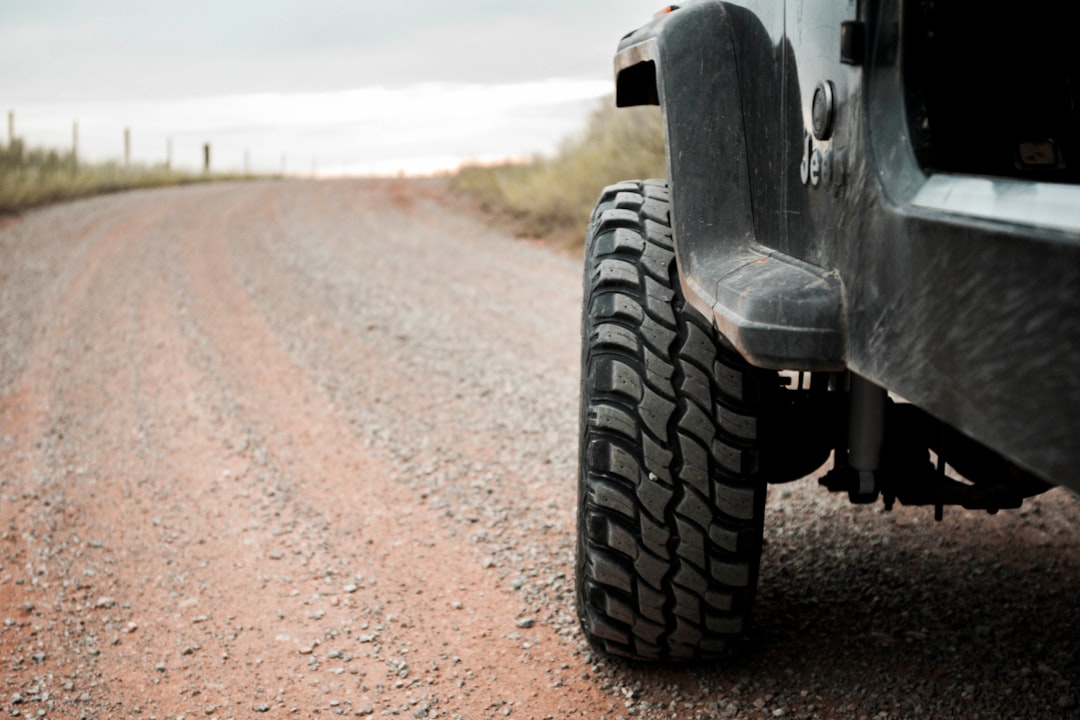
Maximize Your Tire Lifespan: Essential Care for Seattle & Tacoma Drivers
Proper tire maintenance is the most effective way to extend the life of your tires, ensuring they perform optimally and safely for as long as possible.
Tires are your vehicle’s only contact with the road, a critical connection that impacts safety, fuel efficiency, and driving comfort. Neglecting them can lead to premature wear, reduced performance, and even dangerous driving conditions. Fortunately, with a proactive approach to tire care, you can significantly prolong their lifespan and avoid costly replacements. This guide will walk you through the essential steps to keep your tires in top condition, whether you’re navigating the bustling streets of Seattle, the industrial heart of Tacoma, or the scenic routes of King and Pierce Counties.
The Foundation of Tire Longevity: Proper Inflation
Maintaining the correct tire pressure is paramount. Underinflated tires flex excessively, generating heat and causing the tread to wear unevenly on the outer edges. Overinflated tires, conversely, reduce the contact patch with the road, leading to a harsher ride and accelerated wear in the center of the tread. Both scenarios compromise handling and fuel economy.
Why Tire Pressure Matters
The recommended tire pressure for your vehicle is not arbitrary. It’s determined by your car’s manufacturer to optimize ride quality, handling, and tire wear. This information is typically found on a sticker inside the driver’s side doorjamb, in the glove compartment, or in your owner’s manual. It’s important to note that the pressure listed on the tire sidewall is the maximum pressure the tire can hold, not the recommended operating pressure.
Checking and Adjusting Pressure
Check your tire pressure at least once a month, and before long trips. Use a reliable tire pressure gauge. Remember to check the pressure when the tires are cold, meaning the vehicle has been stationary for at least three hours or driven less than a mile. Adjust the pressure by adding air if low, or releasing air if high, until it matches the manufacturer’s recommendation. Given the frequent rain and varying temperatures in the Seattle and Tacoma areas, consistent pressure checks are even more crucial for optimal performance.
The Crucial Role of Tire Rotation
Tire rotation is a preventative maintenance practice that involves moving your vehicle’s tires from one position to another. This simple yet effective process helps to ensure that all tires wear at a uniform rate, significantly extending their overall lifespan.
Understanding Uneven Wear Patterns
Front tires on front-wheel-drive vehicles tend to wear faster on the outer edges due to steering forces and load. Rear tires on rear-wheel-drive vehicles may wear more in the center. By rotating tires, you redistribute this wear, allowing them to age more evenly. According to the National Highway Traffic Safety Administration (NHTSA), regular tire rotation can improve tire life by as much as 20%.
Rotation Patterns and Frequency
The ideal rotation pattern depends on your vehicle’s drivetrain (front-wheel drive, rear-wheel drive, all-wheel drive). Common patterns include moving front tires straight to the rear and rear tires to the opposite front corner, or a crisscross pattern. Most manufacturers recommend rotating tires every 5,000 to 7,500 miles. Consulting your owner’s manual or a trusted automotive professional will help you determine the correct pattern and schedule for your specific vehicle. Neglecting this, especially with the stop-and-go traffic common in areas like Bellevue and Renton, can lead to premature wear.
Balancing: The Key to Smooth Rides and Longevity
Tire balancing ensures that the weight of the tire and wheel assembly is distributed evenly around the axle. When a tire and wheel are out of balance, they can cause vibrations, uneven tire wear, and strain on suspension components.
Signs of Imbalance
You might notice a slight vibration in your steering wheel or seat, especially at higher speeds. You may also hear a thumping or humming noise. Uneven wear patterns, such as cupping or feathering, can also be a sign of imbalance.
The Balancing Process
During a balancing service, small weights are attached to the wheel rim to counteract any heavy spots. It’s recommended to have your tires balanced whenever you purchase new tires, or if you notice signs of imbalance. Most tire shops and mobile tire services, like TireSquad, perform balancing as part of a tire installation or rotation service. This is a vital step for maintaining a smooth drive on the varied surfaces of King and Pierce Counties.
Wheel Alignment: Straightening Out Tire Wear
Wheel alignment refers to the adjustment of your vehicle’s suspension angles. Proper alignment ensures that your wheels are perpendicular to the ground and parallel to each other, which is critical for tire wear and vehicle handling.
Consequences of Misalignment
Misaligned wheels can cause tires to drag or scrub instead of rolling freely. This leads to rapid and uneven tire wear, often appearing as feathering or scalloped patterns. It also negatively impacts fuel efficiency and can cause your vehicle to pull to one side, requiring constant steering correction and increasing driver fatigue.
When to Check Alignment
It’s advisable to have your wheel alignment checked annually, or whenever you notice signs of misalignment such as uneven tire wear, the vehicle pulling to one side, or if you’ve recently hit a pothole or curb. Driving on the often unpredictable road conditions around Seattle and Tacoma, from construction zones to unexpected road damage, makes regular alignment checks a wise investment.
Driving Habits That Impact Tire Life
Your driving style plays a significant role in how long your tires last. Aggressive driving habits can dramatically shorten their lifespan.
Avoid Aggressive Maneuvers
Rapid acceleration, hard braking, and sharp cornering place excessive stress on your tires. This not only causes them to wear out faster but can also damage their internal structure. Practicing smooth, defensive driving techniques will benefit your tires, your fuel economy, and your safety.
Mindful Parking
Be aware of curbs when parking. Many drivers inadvertently scuff or scrape their tire sidewalls against curbs, which can cause irreparable damage and compromise the tire’s integrity. Taking an extra moment to park carefully can prevent costly repairs or premature replacements.
Regular Inspection: Catching Problems Early
Consistent visual inspection of your tires is one of the simplest yet most effective ways to maintain their health and longevity.
What to Look For
Periodically check your tires for:
- Uneven wear patterns (e.g., wear on one side, center wear, cupping)
- Cuts, cracks, or punctures in the sidewall or tread
- Bulges or blisters on the sidewall
- Embedded objects like nails or stones
- Tread depth that is nearing the wear bars
Tread Depth and Wear Bars
Tires have built-in tread wear indicators, often called wear bars. These are small raised bars located in the grooves of the tread. When the tire tread wears down to the level of these bars, it’s time to replace the tire. As the Tire Industry Association (TIA) emphasizes, maintaining adequate tread depth is critical for traction and safety, especially in wet conditions common to Washington state.
FAQ: Common Tire Care Questions
### How often should I check my tire pressure?
You should check your tire pressure at least once a month and before any long drives, ensuring the tires are cold for an accurate reading.
### What is the difference between tire rotation and wheel balancing?
Tire rotation moves tires to different positions to equalize wear, while wheel balancing adds weights to ensure the tire and wheel assembly spins evenly, preventing vibrations.
### Can driving on a flat tire damage my new tires?
Driving on a flat or significantly underinflated tire can cause severe damage to the tire’s internal structure and sidewall, often making it unrepairable and requiring replacement.
Invest in Your Tires, Invest in Your Safety
Extending the life of your tires isn’t just about saving money; it’s about ensuring your vehicle handles predictably and safely. By implementing regular tire pressure checks, rotations, balancing, and mindful driving habits, you can maximize the performance and longevity of your tires. Don’t let worn-out tires compromise your journeys through Seattle, Bellevue, Tacoma, or anywhere in between.
For convenient, professional tire care and replacement services right at your doorstep across King County and Pierce County, choose TireSquad. Our mobile technicians are ready to help you maintain your tires and get you back on the road safely. Book your appointment today at tiresquad.fieldd.co or call us at (206) 650-1302.
Photo by tanner sheltry on Unsplash