
Tire Rotation: Extend Your Miles in WA
Discover the essential benefits of regular tire rotations and learn the ideal schedule to maximize your tire's lifespan and ensure safer driving. Understand why this simple maintenance is key for your vehicle's performance.
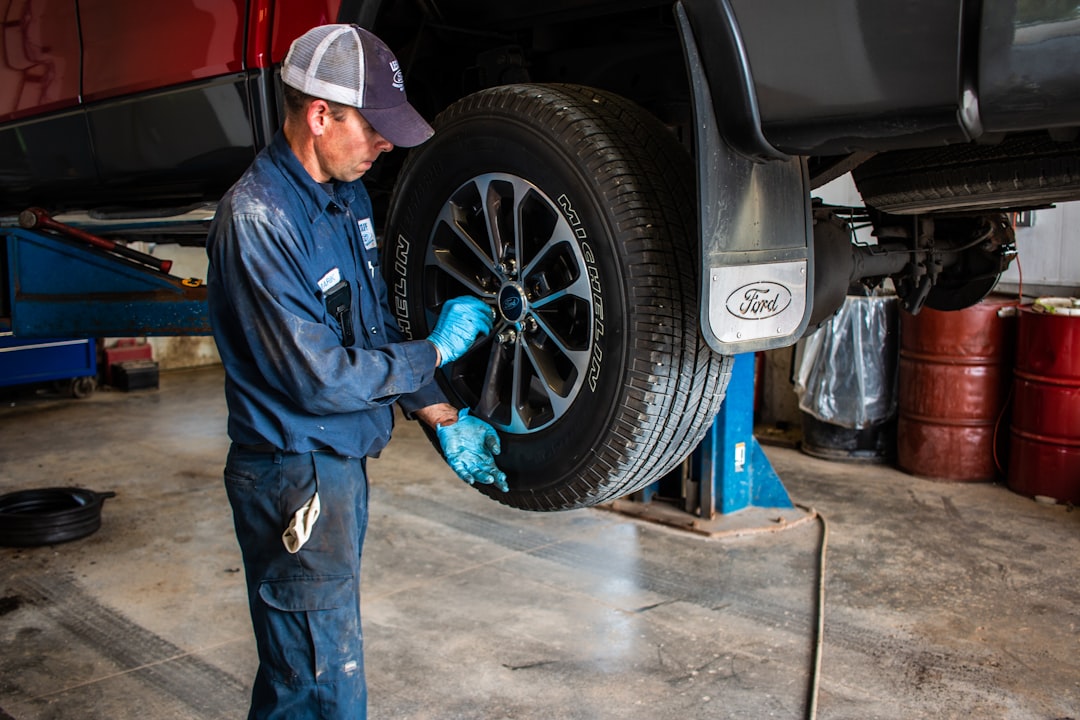
Why Tire Rotation is Essential for Your Vehicle’s Health
Tire rotation every 5,000 to 7,500 miles prevents uneven wear and extends tire life by up to 20%. This seemingly simple automotive maintenance task is one of the most effective ways to ensure your tires wear evenly, perform optimally, and last as long as possible, saving you money and enhancing your safety on the road.
In the diverse driving conditions of King County and Pierce County, from navigating Seattle’s busy streets to cruising along the scenic routes near Tacoma, your tires work hard. They face everything from stop-and-go traffic to highway speeds, all while supporting the weight of your vehicle and absorbing road imperfections. Without regular attention, this constant stress leads to uneven wear patterns, diminishing your tires’ effectiveness and potentially compromising your safety.
This guide will delve into the ‘why’ and ‘how’ of tire rotation, offering practical advice tailored for drivers in the Pacific Northwest.
Understanding Tire Wear Patterns
Different positions on your vehicle experience different types of wear. Front tires, for instance, bear more weight and are responsible for steering and braking forces, often leading to faster wear on the outer edges. Rear tires, on the other hand, typically experience less stress but can still develop wear patterns, especially on front-wheel-drive vehicles where they trail the driven wheels.
This inherent difference in wear becomes more pronounced over time. If left unaddressed, you might find yourself needing to replace tires prematurely, often while others still have significant tread life remaining. A consistent tire rotation schedule helps to equalize this wear across all four tires.
Front vs. Rear Tire Wear
Front tires generally experience more wear due to the combined forces of steering, acceleration, and braking. They are also subject to the weight distribution of the engine, which is often heavier in the front of the vehicle.
Drive Wheels vs. Non-Drive Wheels
In front-wheel-drive vehicles, the front tires do the work of accelerating and steering, leading to faster wear. In rear-wheel-drive vehicles, the rear tires handle acceleration, but steering and braking still impact all tires. All-wheel-drive systems can offer more even wear but still benefit from rotation.
Camber and Toe Angles
Improper wheel alignment, known as incorrect camber or toe angles, can cause rapid and uneven tire wear, often manifesting as feathering or a worn ribbon effect on the tread. While tire rotation won’t fix alignment issues, it can help mitigate the accelerated wear caused by them until alignment can be addressed.
The Benefits of Regular Tire Rotation
Prioritizing tire rotation offers a multitude of advantages that extend beyond just the tires themselves. It’s a proactive maintenance step that pays dividends in performance, safety, and cost savings.
Extended Tire Lifespan
The most significant benefit is maximizing the usable life of your tires. By moving tires to different positions on the vehicle, you ensure that the wear is distributed more evenly across all four tires. According to the U.S. Tire Manufacturers Association, regular rotations can extend tire life by as much as 20%, meaning you can drive more miles before needing to purchase a new set.
Improved Fuel Efficiency
Tires that are wearing evenly maintain a more consistent contact patch with the road. This reduces rolling resistance, which in turn requires less energy from your engine to move the vehicle. For drivers in the Seattle metro area, where traffic can often mean stop-and-go driving, this can translate into noticeable fuel savings over time.
Enhanced Traction and Handling
Even tire wear ensures that the tread pattern remains effective across the entire surface of the tire. This is crucial for maintaining optimal traction, especially during the wet conditions common in the Pacific Northwest. Better traction means more responsive handling, shorter braking distances, and a safer driving experience, whether you’re on I-5 or navigating neighborhood streets in Bellevue.
Safer Driving Experience
Worn tires, particularly those with uneven wear, can be dangerous. They reduce grip, increase the risk of hydroplaning, and can be more susceptible to blowouts. Regular rotations help maintain the integrity of your tires, contributing to overall vehicle safety.
Reduced Risk of Vibrations and Noise
Uneven tire wear can lead to imbalances that cause vibrations felt through the steering wheel or the car’s body. These vibrations not only are uncomfortable but can also put stress on your vehicle’s suspension and steering components. Rotation helps prevent these imbalances, leading to a smoother, quieter ride.
When to Rotate Your Tires
The general recommendation for tire rotation is every 5,000 to 7,500 miles. However, this can vary based on several factors. It’s always best to consult your vehicle’s owner’s manual for the manufacturer’s specific recommendations.
Following Manufacturer Recommendations
Your vehicle’s owner’s manual contains the most accurate information regarding maintenance schedules, including tire rotation. These recommendations are based on the vehicle’s design and intended use.
Checking Your Owner’s Manual
Look for a section on tires or maintenance. It will usually specify a mileage interval or a time frame for tire rotations. Some manuals may also suggest specific rotation patterns based on your vehicle’s drivetrain (front-wheel drive, rear-wheel drive, all-wheel drive).
Considering Driving Habits
Aggressive driving, frequent hard braking or acceleration, and driving on rough terrain can accelerate tire wear. If your driving habits are demanding, you may need to rotate your tires more frequently than the standard recommendation.
Tire Rotation Patterns
There are several common tire rotation patterns. The most suitable pattern depends on your vehicle’s drivetrain and tire type (directional or non-directional).
- Front-Wheel Drive (FWD): Often a “forward” pattern where front tires move to the rear on the same side, and rear tires cross to the opposite front.
- Rear-Wheel Drive (RWD) & All-Wheel Drive (AWD): Typically a “cross” pattern where front tires move to the rear on the opposite side, and rear tires move to the front on the opposite side.
- Directional Tires: These tires can only be rotated front-to-back on the same side of the vehicle to maintain their rolling direction.
- Non-Directional Tires: These tires can be moved to any position on the vehicle, allowing for more rotation pattern options.
The Tire Industry Association (TIA) provides comprehensive guidelines on proper tire maintenance, including rotation patterns, emphasizing the importance of following manufacturer and tire-specific instructions.
Tire Rotation vs. Tire Balancing
It’s important to distinguish tire rotation from tire balancing, as both are crucial for tire health but serve different purposes.
Tire Rotation
As discussed, rotation involves moving tires from one position on the vehicle to another to ensure even wear.
Tire Balancing
Balancing involves ensuring that the weight of the tire and wheel assembly is distributed evenly around the axle. Small counterweights are added to the wheel to correct imbalances that can cause vibrations at certain speeds. It is generally recommended to balance tires whenever they are mounted onto a new wheel, or if you notice vibrations. Tire balancing should ideally be done at the time of rotation if any imbalances are detected.
Signs Your Tires Need Rotation
Paying attention to your tires can alert you to when they need attention. Don’t wait for a problem to arise; be proactive.
- Uneven Tread Wear: Look for distinct wear patterns on one side of the tire, or differences in tread depth between the front and rear tires.
- Vibrations: If you feel vibrations in the steering wheel or through the car’s body, especially at highway speeds, it could indicate an imbalance that rotation might help address.
- Noise: Unusual noises or a humming sound from your tires can sometimes be a sign of uneven wear.
- Mileage Interval: Simply keeping track of your mileage and aiming for that 5,000-7,500-mile mark is the easiest way to stay on schedule.
Local Considerations for Seattle and Tacoma Drivers
Living in the Seattle and Tacoma areas presents unique driving challenges that make regular tire maintenance even more critical. The frequent rain means hydroplaning is a significant concern, and even tire wear is essential for maintaining grip on wet roads. The stop-and-go nature of traffic on I-5 and other major arteries also contributes to tire wear.
Furthermore, the diverse terrain, from city streets to hilly neighborhoods, means your tires are constantly working. Ensuring they are properly rotated helps maintain their integrity and performance across all these conditions.
Frequently Asked Questions
### How often should I rotate my tires?
You should rotate your tires every 5,000 to 7,500 miles, or as recommended in your vehicle’s owner’s manual. Checking your manual is the best way to get a precise interval for your car.
### Can I rotate my tires myself?
While it is possible for mechanically inclined individuals with the proper tools and safety equipment to rotate their own tires, it is often best left to professionals to ensure the correct patterns and torque specifications are used.
### What happens if I don’t rotate my tires?
If you don’t rotate your tires, they will wear unevenly, leading to a shorter lifespan, reduced performance, and potentially compromising your vehicle’s safety and handling, especially in adverse weather.
### Does tire rotation affect my warranty?
Many tire manufacturers require proof of regular tire rotation to keep the tire warranty valid. Neglecting this maintenance can void your warranty, costing you more in the long run.
Keep Your Tires Rolling Smoothly with TireSquad
Tire maintenance is key to a safe, efficient, and cost-effective driving experience. Regular tire rotations are a simple yet powerful way to achieve this. Don’t let uneven wear compromise your tires’ performance or shorten their life.
TireSquad offers convenient, professional mobile tire services across King County and Pierce County, including Seattle, Bellevue, and Tacoma. Our expert technicians can perform tire rotations, balancing, and all your other tire needs right at your home or workplace. Book your appointment today and experience the ease of mobile tire care!
Ready to extend your tire life and ensure a safer drive? Schedule your tire rotation with TireSquad today! Visit us at tiresquad.fieldd.co or call us at (206) 650-1302.
Photo by Jimmy Nilsson Masth on Unsplash