
Performance vs. Touring Tires: Drive Smarter
Deciding between performance and touring tires can significantly impact your driving experience. Learn the core distinctions in handling, comfort, and lifespan to make an informed choice for your vehicle.
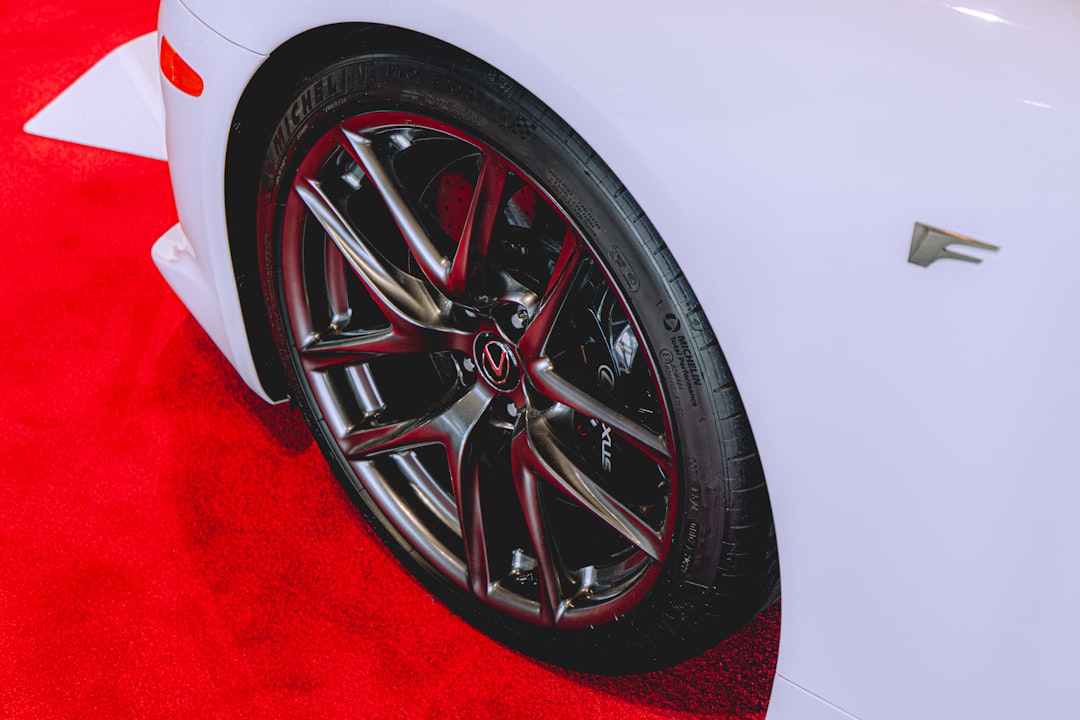
Performance Tires vs. Touring Tires: Which is Right for You?
Performance tires are designed for maximum grip and responsiveness, while touring tires prioritize comfort, quietness, and longevity. The best choice depends on your driving style, vehicle, and priorities for your daily commute around King County or weekend adventures in the Cascades.
Understanding Tire Categories
The automotive world often simplifies tire choices into broad categories, and two of the most common are performance tires and touring tires. While both serve the fundamental purpose of connecting your vehicle to the road, their design philosophies and resulting characteristics are quite different. Understanding these differences is crucial for selecting tires that enhance your driving experience rather than detract from it. Whether you’re navigating the busy streets of Seattle, the winding roads near Bellevue, or cruising down I-5 towards Tacoma, your tires play a vital role in safety and enjoyment.
What Are Performance Tires?
Performance tires, often referred to as “summer tires” or “high-performance tires,” are engineered with a focus on delivering superior handling, cornering ability, and braking performance. They typically feature:
- Softer Rubber Compounds: This allows for greater flexibility and adhesion to the road surface, especially in dry conditions and warmer temperatures.
- Aggressive Tread Patterns: Often with larger tread blocks and fewer, wider grooves, these patterns maximize road contact and provide sharp steering response.
- Lower Profile Sidewalls: A shorter sidewall reduces flex during cornering, leading to a more direct and responsive feel.
These characteristics make performance tires ideal for drivers who enjoy spirited driving, frequent spirited cornering, or require exceptional grip for track days or performance driving events. However, this enhanced grip often comes at the expense of tread life and ride comfort. The softer compounds wear down faster, and the stiffer construction can transmit more road imperfections into the cabin. Furthermore, most performance tires are not designed for cold weather or snow, making them unsuitable for year-round use in regions like Washington state that experience freezing temperatures.
What Are Touring Tires?
Touring tires are built with a different set of priorities: comfort, quiet operation, and long tread life. They are designed to provide a smooth and serene ride, making them a popular choice for everyday driving, long road trips, and sedans, minivans, and SUVs. Key features include:
- Harder Rubber Compounds: These compounds are more durable and resist wear, contributing to a longer lifespan.
- More Complex Tread Designs: Often featuring sipes (small slits) and multiple tread blocks, these designs help to break up road noise and improve traction in a wider range of conditions, including light snow.
- Taller Sidewalls: A more flexible sidewall absorbs road imperfections, leading to a more comfortable and cushioned ride.
Touring tires offer a balanced performance, providing adequate grip for most driving situations while prioritizing passenger comfort and fuel efficiency. While they might not offer the razor-sharp handling of performance tires, they excel in providing a quiet, smooth journey, whether you’re commuting to work in Bellevue or heading south to visit family in Tacoma.
Performance vs. Touring Tires: A Head-to-Head Comparison
Handling and Responsiveness
Performance Tires: Excel in this area. Their design allows for quicker steering response, sharper cornering, and a more connected feel to the road. This is ideal for drivers who appreciate precise control and the sensation of hugging the curves, even on demanding routes like Highway 101 along the coast or mountain passes.
Touring Tires: Offer competent handling for everyday driving. They provide stable and predictable behavior but lack the immediate feedback and sharp agility of performance tires. The focus is on safety and ease of use rather than sporty engagement.
Ride Comfort and Noise
Performance Tires: Generally less comfortable. The stiffer construction and lower profile can transmit more road vibrations and impacts, leading to a firmer ride. Tread patterns designed for grip can also produce more road noise.
Touring Tires: Are the clear winner here. Their design prioritizes absorbing road imperfections and minimizing noise. This results in a quieter cabin and a smoother ride, which is highly desirable for long drives or commuting through busy urban areas like Seattle.
Tread Life and Durability
Performance Tires: Typically have shorter tread lives. The softer rubber compounds that provide superior grip wear down more quickly, especially under aggressive driving conditions. According to the Tire Rack’s explanation of tire wear, softer compounds inherently wear faster than harder ones.
Touring Tires: Are built for longevity. Harder rubber compounds and tread designs optimized for even wear contribute to significantly longer tread life. This makes them a more economical choice over the long term for many drivers.
All-Weather Capability
Performance Tires: Most performance tires are designed for warm weather use. They can become stiff and lose significant traction in cold temperatures below 45°F (7°C). They offer minimal to no capability in snow or ice.
Touring Tires: Offer better all-season capability. While not dedicated winter tires, their tread designs and rubber compounds are generally formulated to perform adequately in a wider temperature range, including light snow and wet conditions common in the Puget Sound region during fall and winter. The Tire Rack’s guide often categorizes many touring tires as “All-Season” which implies a broader range of usable conditions than typical performance tires.
Fuel Efficiency
Performance Tires: Can sometimes have higher rolling resistance due to their softer compounds and wider contact patches, potentially leading to slightly lower fuel economy. However, advancements are continually being made.
Touring Tires: Often designed with lower rolling resistance in mind, which can contribute to better fuel efficiency. This is a consideration for drivers looking to maximize their miles per gallon on daily commutes or long trips across Washington.
Who Should Choose Performance Tires?
- Drivers who prioritize sharp handling, quick acceleration, and confident cornering.
- Enthusiasts who engage in spirited driving or track days.
- Owners of sports cars, performance sedans, or vehicles designed for dynamic handling.
- Drivers who live in consistently warm climates and do not encounter significant cold or snow.
Who Should Choose Touring Tires?
- Drivers seeking a comfortable, quiet, and smooth ride.
- Commuters who spend a lot of time on highways and in urban traffic.
- Families looking for reliable and long-lasting tires for sedans, minivans, or SUVs.
- Drivers in regions with variable weather conditions who need a tire that can handle a broader range of temperatures and light snow.
- Budget-conscious drivers who value long tread life and fewer replacement cycles.
Making the Right Choice for Your Vehicle
Consider your daily commute. Are you frequently stuck in stop-and-go traffic on I-405, or do you enjoy taking scenic routes through the Olympic Peninsula on weekends? Think about the type of vehicle you drive. A sports car might benefit more from the enhanced grip of performance tires, while a luxury sedan or family SUV might be better suited to the comfort and quietness of touring tires.
Don’t forget about the weather in the Pacific Northwest. While we might not get extreme snow like some regions, our wet, cool winters and frequent temperature fluctuations mean that a tire with good all-season capability is often a wise choice. The National Highway Traffic Safety Administration (NHTSA) emphasizes proper tire selection for safety and performance in all conditions.
Practical Tip: Always check your vehicle’s owner’s manual or the sticker on the driver’s side doorjamb for the manufacturer’s recommended tire size and type. While you can often upgrade to a performance tire if your vehicle is capable, ensure it aligns with your driving needs.
Frequently Asked Questions
### Can I use performance tires year-round in Washington?
Generally, no. Most performance tires are not designed for cold temperatures or snow, which are common in Washington state during winter months. Using them in these conditions can compromise safety and handling.
### Will touring tires make my car feel sluggish?
While touring tires prioritize comfort over sharp responsiveness, they are designed to provide safe and predictable handling for everyday driving. They are unlikely to make a car feel sluggish for typical commutes and errands.
### How does tire pressure affect performance vs. touring tires?
Proper tire pressure is crucial for both types. Underinflation can lead to poor handling and increased wear for both, while overinflation can reduce comfort and grip. Always maintain the pressure recommended by your vehicle manufacturer.
### Are performance tires always more expensive?
Not necessarily. While some high-end performance tires can be very expensive, the cost difference between comparable performance and touring tires can vary. However, performance tires often need replacement sooner, making their total cost of ownership higher.
The TireSquad Mobile Advantage
Choosing the right tires is a significant decision that impacts your safety, comfort, and driving experience. Whether you decide that the responsive grip of performance tires or the comfortable ride of touring tires is best for you, TireSquad is here to help. We offer convenient mobile tire services across Seattle, Bellevue, Tacoma, and surrounding areas. Forget the hassle of visiting a shop; we come to you, whether you’re at home or work, to provide professional tire installation, rotation, balancing, and more. Book your appointment today at tiresquad.fieldd.co or call us at (206) 650-1302 to get the right tires for your vehicle, delivered and installed at your convenience.
Photo by Aden Heeremans on Unsplash