
Extend Tire Life: Pro Care for Your Car
Maximizing your tire's lifespan is achievable through diligent care. Discover essential maintenance practices that ensure longevity and performance for your vehicle.
Maximize Your Tire Investment: Essential Care for Lasting Performance
Proper tire care is the most effective way to extend the lifespan of your tires, ensuring consistent performance and saving you money on premature replacements. By adopting a routine of essential maintenance, you can significantly enhance how long your tires last, making your investment in your vehicle more economical and safer for driving around King County and Pierce County.
The Foundation of Longevity: Tire Inflation
Maintaining the correct tire pressure is paramount for tire longevity. Underinflated tires flex excessively, leading to increased heat buildup, premature wear on the outer edges, and reduced fuel efficiency. Overinflated tires, conversely, have a smaller contact patch with the road, causing uneven wear in the center of the tread and a harsher ride. According to the National Highway Traffic Safety Administration (NHTSA), maintaining proper tire inflation pressure is crucial for safety, handling, and tire life.
Finding Your Vehicle’s Recommended Pressure
The correct tire pressure for your vehicle is not found on the tire sidewall itself. Instead, it’s specified by your vehicle’s manufacturer and can be found on a sticker typically located in the driver’s side doorjamb, glove compartment, or fuel filler door. Always check your tires when they are cold, meaning the vehicle hasn’t been driven for at least three hours or has been driven less than a mile at moderate speed. For those in the Seattle area, where varying temperatures can impact pressure, regular checks are even more vital.
Frequency of Pressure Checks
It is recommended to check your tire pressure at least once a month and before any long road trips. Temperature fluctuations, especially between the cooler months in Washington and warmer spells, can cause tire pressure to drop or rise by as much as one PSI for every 10 degrees Fahrenheit change. Consistent monitoring ensures your tires are always operating at their optimal pressure.
The Role of Tire Rotation
Tire rotation is a vital maintenance procedure that involves moving tires from one position on the vehicle to another. This process helps to ensure that all tires wear at a uniform rate, preventing uneven wear patterns that can significantly shorten their usable life. The Tire Industry Association (TIA) recommends rotating tires every 5,000 to 7,500 miles as part of a regular maintenance schedule.
Understanding Rotation Patterns
There are several common tire rotation patterns, including front-to-back and cross rotation. The specific pattern recommended for your vehicle often depends on whether your tires are directional or non-directional, and whether your vehicle is front-wheel drive, rear-wheel drive, or all-wheel drive. Your vehicle’s owner’s manual will specify the correct rotation pattern. For example, a front-wheel-drive vehicle might have its front tires moved to the rear on the same side, while the rear tires are crossed to the opposite front side.
Benefits Beyond Longevity
Regular tire rotations not only extend tire life but also contribute to a smoother, quieter ride and can improve fuel economy by ensuring optimal rolling resistance. For drivers in areas like Tacoma, known for its mix of city and highway driving, consistent rotation helps manage wear from varied road conditions.
The Importance of Tire Balancing
Tire balancing ensures that the weight of the tire and wheel assembly is evenly distributed. Unbalanced tires can cause vibrations felt in the steering wheel or seat, especially at higher speeds. These vibrations can lead to uneven tire wear, premature suspension component damage, and a less comfortable driving experience.
When to Balance Your Tires
Tires should be balanced whenever they are installed on new wheels, or when they are rotated. You may also notice the need for balancing if you experience vibrations or if your steering wheel shimmies. Balancing involves attaching small weights to the rim of the wheel to counteract any heavy spots.
Wheel Alignment: A Critical Component
Wheel alignment refers to the angles of your vehicle’s wheels relative to the ground and to each other. Proper alignment ensures that your tires are all pointing in the same direction, which is crucial for even tire wear, stable handling, and fuel efficiency. Misaligned wheels can cause tires to wear unevenly and rapidly, often on one edge of the tire.
Signs of Misalignment
Common signs of misalignment include a vehicle pulling to one side, uneven tire wear (such as feathering or scalloping), or a steering wheel that is not centered when driving straight. Hitting potholes or curbs, which can be common on some of the less maintained roads around Bellevue or Redmond, can easily knock your alignment out of specification.
Correcting Alignment Issues
Wheel alignment should be checked annually or whenever you notice signs of misalignment. Adjustments are made to the steering and suspension components to bring the wheels back into their specified angles.
Visual Inspection: Your First Line of Defense
Regular visual inspections of your tires can help you identify potential problems before they become major issues. Look for:
- Uneven Wear Patterns: Check for wear on the edges, center, or specific spots on the tread.
- Cuts, Cracks, or Bulges: Inspect the sidewalls and tread for any signs of damage.
- Foreign Objects: Look for nails, screws, or other debris embedded in the tread.
- Tread Depth: Ensure you have sufficient tread depth for safe driving. A common test is the penny test; if you can see the top of Lincoln’s head when inserted into the deepest part of the tread, it’s time for new tires.
The Penny Test in Practice
This simple yet effective method helps gauge tread depth. Insert a penny into the tire tread with Lincoln’s head facing down. If you can see the top of Lincoln’s head, your tread depth is likely below the legal minimum and potentially unsafe, especially for driving in the often wet conditions of the Pacific Northwest.
Choosing the Right Tires
While proper care extends the life of any tire, the initial choice of tire also plays a significant role. Selecting tires that are appropriate for your vehicle, driving habits, and the climate of the Seattle-Tacoma region is essential. Consider tires designed for all-season performance to handle the varied weather conditions you might encounter.
Frequently Asked Questions about Tire Care
### How often should I check my tire pressure?
You should check your tire pressure at least once a month and before embarking on any long journeys to ensure optimal safety and tire longevity.
### What is the recommended interval for tire rotation?
Tire rotation is generally recommended every 5,000 to 7,500 miles, or as specified in your vehicle owner’s manual, to promote even wear across all tires.
### Can I ignore tire balancing if I don’t feel vibrations?
No, tire balancing is crucial even without noticeable vibrations to prevent premature wear and potential damage to suspension components.
### How do I know when my tires need to be replaced?
Signs include worn tread below 2/32nds of an inch, visible damage like cracks or bulges, or a consistently bumpy ride even after maintenance.
Keep Your Tires Rolling with TireSquad
Proper tire care is an ongoing commitment that pays dividends in safety, performance, and cost savings. From maintaining correct inflation to regular rotations and alignments, these steps are crucial for extending the life of your tires. Don’t let worn-out or improperly maintained tires compromise your safety or your wallet. If you suspect your tires need attention, or it’s time for a rotation, balancing, or replacement, TireSquad is here to help. We bring our expert mobile tire service directly to your home or workplace across Seattle, Bellevue, Tacoma, and surrounding areas. Book your appointment today at tiresquad.fieldd.co or call us at (206) 650-1302.
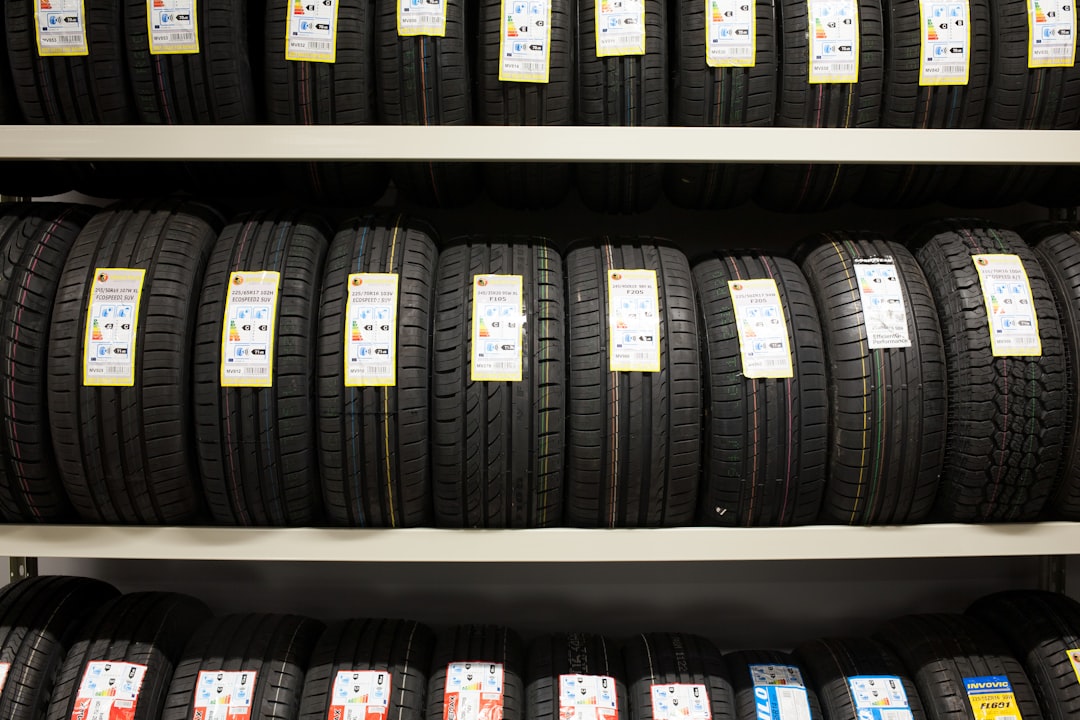
Photo by Robert Laursoo on Unsplash