
PNW Rain Ready: Tire Prep for Washington’s Wet Season
Don't let the notorious Pacific Northwest rain catch you off guard. This guide provides essential tire preparation tips to ensure your vehicle is ready for the wet season across King and Pierce Counties.
Mastering the Pacific Northwest Rain: Essential Tire Preparation for Washington’s Wet Season
Ensuring your tires are properly prepared is the single most effective way to maintain traction and safety on the slick roads of King County and Pierce County during the inevitable Pacific Northwest rain season.
The transition from the dry summer months to the persistent, often heavy rainfall characteristic of Western Washington presents unique challenges for drivers. Roads become slick, visibility decreases, and the risk of hydroplaning increases significantly. Your tires are the only contact your vehicle has with the road, making their condition paramount. This comprehensive guide will walk you through everything you need to do to ensure your tires are ready to tackle the wet season, from Seattle to Tacoma and beyond.
Understanding the Impact of Rain on Tire Performance
Rainwater mixes with oil, grease, and other road debris, creating a slicker surface than plain water. This film reduces the friction between your tires and the pavement, diminishing your ability to accelerate, brake, and steer effectively. Tires designed for dry conditions may struggle to displace water efficiently, leading to hydroplaning – a dangerous situation where a layer of water builds up between the tire and the road, causing a complete loss of traction.
According to the National Highway Traffic Safety Administration (NHTSA), tire condition is a critical factor in vehicle safety. Properly inflated tires with adequate tread depth are essential for maintaining grip, especially in adverse weather conditions like those common in the Seattle metropolitan area and surrounding counties.
Key Tire Checks for Wet Season Preparedness
Before the skies open up, it’s crucial to perform a thorough inspection of your tires. Here are the essential checks:
Tread Depth: Your First Line of Defense
Adequate tread depth is vital for channeling water away from the tire’s contact patch. The deeper the tread, the more effectively it can evacuate water, reducing the risk of hydroplaning. The U.S. Department of Transportation mandates that tires must have at least 2/32 of an inch of tread depth remaining to be legally drivable. However, for optimal performance in wet conditions, significantly more is recommended.
- The Penny Test: Insert a penny into the deepest part of your tire’s tread, with Lincoln’s head upside down. If you can see the top of Lincoln’s head, your tread is likely below 2/32 of an inch and needs immediate attention.
- The Quarter Test: For better wet weather performance, use a quarter. Insert it with Washington’s head upside down. If you can see the top of Washington’s head, your tread depth is nearing the point where wet traction will be compromised. Aim to replace tires before they reach this level.
- Tread Wear Indicators: Most tires have small raised bars in the grooves. If your tread is worn down to the level of these bars, the tire needs replacement.
Tire Pressure: The Unsung Hero
Proper tire inflation is critical for both safety and tire longevity. Underinflated tires can overheat, wear unevenly, and significantly increase the risk of hydroplaning. Overinflated tires reduce the contact patch with the road, leading to a harsher ride and decreased traction, especially on wet surfaces. The ideal pressure for your vehicle is listed on a sticker inside the driver’s side doorjamb or in your owner’s manual. Never use the maximum pressure listed on the tire sidewall.
- Check pressure when tires are cold (before driving or after sitting for at least three hours).
- Use a reliable tire pressure gauge.
- Adjust pressure as needed to meet your vehicle manufacturer’s recommendations.
Tire Condition: Look for Damage
Beyond tread depth and pressure, inspect your tires for any signs of damage that could be exacerbated by wet conditions or lead to a sudden failure.
- Sidewall Cracks or Bulges: These indicate structural weakness and require immediate tire replacement.
- Cuts, Punctures, or Embedded Objects: Even small objects can cause leaks, and cuts can worsen over time.
- Uneven Wear Patterns: This can signal alignment or inflation issues that need to be addressed to ensure consistent performance and prevent premature wear.
Choosing the Right Tires for Pacific Northwest Rain
While maintaining your current tires is essential, the type of tire you choose plays a significant role in wet weather performance. The Tire Industry Association (TIA) emphasizes that selecting the right tire for your driving conditions is paramount.
All-Season vs. Performance Tires in Wet Conditions
All-Season Tires: Designed to offer a balance of performance in various conditions, including moderate rain and cold. Many modern all-season tires are engineered with advanced tread patterns and silica-infused rubber compounds that provide excellent grip on wet roads.
Performance Tires: Often feature tread patterns optimized for dry grip and handling. While some performance tires offer good wet traction, they may not be the best choice for the persistent, heavy rains of the PNW if you prioritize maximum hydroplaning resistance.
The Benefits of a Dedicated Wet-Weather Tire
For drivers who frequently encounter heavy rain or live in areas prone to flooding, considering tires specifically designed for wet conditions can offer superior safety. These tires often feature:
- Aggressive tread patterns with deep circumferential grooves to rapidly evacuate water.
- Specialized rubber compounds that remain flexible in colder, wet temperatures.
- Siping (small slits in the tread blocks) that increases the number of biting edges for better grip on slick surfaces.
Beyond Tire Checks: Driving Habits for Wet Roads
Even with perfectly prepared tires, safe driving habits are essential when navigating the wet roads of King and Pierce Counties.
Reduce Your Speed
Speed is the biggest contributor to hydroplaning. Driving slower gives your tires more time to displace water and maintain contact with the road. Adhere to posted speed limits, and reduce speed further in heavy rain or poor visibility, common scenarios on I-5 through Tacoma or SR 520 in Bellevue.
Increase Following Distance
Your braking distance increases significantly on wet roads. Leave at least three to four seconds of space between your vehicle and the one in front of you. Double this distance in heavy rain or fog.
Avoid Sudden Maneuvers
Brake, accelerate, and steer smoothly. Sudden movements can easily break traction on slick surfaces. If you do start to hydroplane, ease off the accelerator and steer gently in the direction you want to go; do not slam on the brakes.
Ensure Visibility
Keep your windshield wipers in good condition and use your headlights, even during the day, to improve visibility for yourself and to make your vehicle more visible to others.
When to Seek Professional Tire Service
While regular checks are important, some tire issues require professional attention. If you notice any of the following, it’s time to consult a tire expert:
- Significant tread wear or damage
- Persistent tire pressure issues
- Vibrations or pulling to one side while driving
- Uncertainty about your tire’s condition or suitability for the season
Frequently Asked Questions
### How often should I check my tire pressure?
You should check your tire pressure at least once a month and before any long trips, especially as the rainy season approaches.
### Can I use summer tires in the rain?
While summer tires can provide good grip in light rain, their rubber compounds can harden in cooler temperatures, reducing effectiveness. For consistent heavy PNW rain, all-season or dedicated wet-weather tires are a safer bet.
### What is the best tire pressure for rainy driving?
The best tire pressure is always the one recommended by your vehicle manufacturer, found on the sticker in your doorjamb. Proper inflation ensures the tire’s contact patch is optimized for water displacement.
### How can I tell if my tires are about to fail?
Look for visible damage like cracks, bulges, or deep cuts in the sidewall, excessive or uneven tread wear, or if the tire repeatedly loses pressure.
Stay Safe on Washington’s Wet Roads with TireSquad
Preparing your tires for the Pacific Northwest rain season is a critical step in ensuring your safety and the safety of others on the road. Don’t wait until the first downpour hits Seattle, Bellevue, or Tacoma to think about your tires. Regular checks of tread depth, tire pressure, and overall condition are non-negotiable. If your tires are showing signs of wear, are underinflated, or you’re unsure if they’re ready for the challenging wet season conditions, TireSquad is here to help.
As a mobile tire service operating throughout King County and Pierce County, TireSquad brings expert tire care directly to you. Whether you need new tires, rotations, balancing, or a quick pressure check, we make it convenient and efficient. Book your appointment today and drive with confidence through the PNW rain!
Schedule your mobile tire service with TireSquad now or call us at (206) 650-1302.
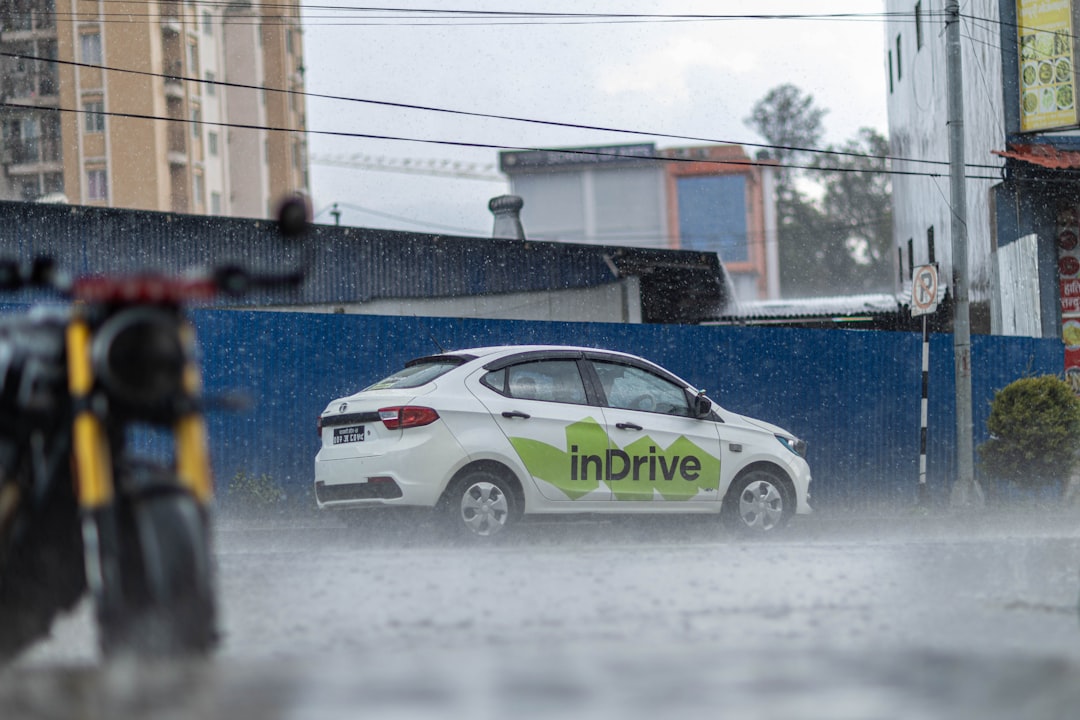
Photo by Sushanta Rokka on Unsplash