
ADAS & Your Tires: Safety Systems Explained
Advanced Driver Assistance Systems (ADAS) and your vehicle's tires work hand-in-hand to ensure safety. Discover how technologies like TPMS, ABS, and stability control rely on proper tire function and maintenance.
The Crucial Connection: ADAS and Tire Safety Systems
Modern vehicles are increasingly equipped with Advanced Driver Assistance Systems (ADAS) designed to enhance safety and reduce accidents. While we often focus on cameras, sensors, and software, the foundational element that enables these sophisticated systems to function effectively is often overlooked: your tires. Proper tire health and maintenance are not just about a smooth ride; they are absolutely critical for the performance of your car’s ADAS features, from basic functions like Antilock Braking Systems (ABS) to advanced lane-keeping assist. Understanding this connection is paramount for drivers across King County and Pierce County, where navigating diverse road conditions from Seattle’s busy streets to Tacoma’s highways requires every safety layer to be at its best.
What Are ADAS and How Do Tires Play a Role?
ADAS encompasses a suite of technologies that assist drivers in the driving and parking process. These systems use sensors, cameras, and radar to detect the surrounding environment and react accordingly. Examples include:
- Adaptive Cruise Control (ACC): Maintains a set speed and distance from the vehicle ahead.
- Automatic Emergency Braking (AEB): Applies brakes automatically to avoid or mitigate a collision.
- Lane Departure Warning (LDW) and Lane Keeping Assist (LKA): Warns or actively steers the vehicle to stay within its lane.
- Blind Spot Monitoring (BSM): Alerts the driver to vehicles in their blind spots.
- Tire Pressure Monitoring System (TPMS): Constantly monitors the air pressure in your tires.
- Electronic Stability Control (ESC): Helps prevent skidding and loss of control.
- Antilock Braking System (ABS): Prevents wheel lock-up during hard braking.
The effectiveness of all these systems is directly tied to the condition and performance of your tires. Tires are the only point of contact between your vehicle and the road. Their grip, traction, inflation pressure, and wear pattern significantly influence how ADAS sensors interpret the driving environment and how the vehicle responds. For instance, a tire with insufficient tread depth will have reduced grip, impairing the ability of ABS and ESC to function optimally, especially during unexpected stops or evasive maneuvers on I-5 or SR 16.
Tire Pressure Monitoring System (TPMS): The Direct Link
Perhaps the most direct link between tires and ADAS is the Tire Pressure Monitoring System (TPMS). Installed in most vehicles manufactured since 2007, TPMS alerts drivers when one or more tires are significantly under-inflated, which is a safety hazard. Under-inflated tires can lead to:
- Increased stopping distances
- Poor handling and reduced stability
- Tire overheating and potential blowouts
- Decreased fuel efficiency
Crucially, under-inflated tires can also compromise the performance of other ADAS. For example, systems that rely on precise wheel speed data, like ESC and ACC, can become inaccurate if tire pressures are uneven, leading to erroneous system behavior. According to the National Highway Traffic Safety Administration (NHTSA), under-inflated tires can reduce fuel economy by up to 3% and are involved in a disproportionate number of tire failures. Maintaining correct tire pressure, as indicated on the driver’s side doorjamb sticker, is a fundamental step in ensuring your TPMS and other ADAS work as intended.
How Tire Condition Impacts ADAS Performance
Beyond just pressure, the overall condition of your tires is vital for ADAS. Consider these factors:
Tread Depth and Traction
Adequate tread depth is essential for grip, especially in wet conditions common to the Pacific Northwest. ADAS features like AEB and LKA rely on tires having sufficient traction to react quickly and effectively. Worn tires, with shallow tread, struggle to channel water away, leading to hydroplaning and a significant reduction in braking and steering control. This dramatically reduces the effectiveness of these safety systems. The Tire Industry Association (TIA) consistently emphasizes that tire tread depth is a primary safety indicator.
Tire Wear Patterns
Uneven tire wear can also throw off ADAS. For example, if one tire has significantly more wear than another, it can affect the vehicle’s balance and how stability control systems perceive its movement. This is why regular tire rotations and balancing are so important, not just for tire longevity but for the consistent operation of your car’s advanced safety features.
Tire Size and Type
ADAS systems are calibrated based on specific tire sizes and types. Using tires that do not match the manufacturer’s original equipment (OE) specifications can lead to inaccuracies in speed sensing, distance measurement, and vehicle dynamics. This is particularly relevant for vehicles equipped with advanced systems like lane-keeping assist or adaptive cruise control. Always ensure you are using tires that meet or exceed your vehicle manufacturer’s recommendations.
Beyond TPMS: ABS, ESC, and Tire Function
While TPMS is a direct ADAS component, other crucial systems like ABS and ESC are profoundly influenced by tire performance. These systems work by monitoring wheel speed and making adjustments to braking or power delivery to maintain control.
Antilock Braking System (ABS)
During emergency braking, ABS prevents the wheels from locking up, allowing the driver to maintain steering control. This function relies on the tires maintaining grip with the road surface. If tires are worn, under-inflated, or damaged, their ability to grip is compromised, meaning ABS may not be able to perform as designed, leading to longer stopping distances.
Electronic Stability Control (ESC)
ESC helps drivers avoid skids by detecting and reducing loss of traction. It does this by applying brakes to individual wheels and sometimes reducing engine power. ESC’s effectiveness is directly dependent on the tires’ ability to grip the road. On slippery surfaces, such as those encountered during rainstorms in Bellevue or frost on early mornings in Tacoma, the traction provided by your tires is the only thing separating controlled driving from a dangerous skid.
Practical Tips for Maintaining Tire Safety and ADAS Performance
Ensuring your ADAS works optimally starts with meticulous tire care. Here are actionable steps you can take:
- Regularly Check Tire Pressure: At least once a month, check your tire pressure when the tires are cold. Use a reliable tire pressure gauge and inflate them to the pressure recommended by your vehicle manufacturer, typically found on a sticker in the driver’s side doorjamb or in the owner’s manual. Don’t rely solely on the maximum pressure listed on the tire sidewall.
- Inspect Tread Depth: Periodically check your tread depth. A simple way is the penny test: insert a penny into the deepest part of the tread with Lincoln’s head facing down. If you can see the top of Lincoln’s head, your tread is too shallow, and it’s time for new tires.
- Monitor Tire Wear: Look for uneven wear patterns. If you notice feathering, cupping, or excessive wear on one side, it could indicate alignment issues or the need for a tire rotation.
- Rotate and Balance Tires: Follow your vehicle manufacturer’s recommended schedule for tire rotation and balancing, typically every 5,000 to 7,500 miles. This ensures even wear and maintains proper vehicle dynamics.
- Inspect for Damage: Regularly check your tires for cuts, bulges, punctures, or any foreign objects embedded in the tread or sidewall. Any damage could compromise tire integrity and ADAS performance.
- Use Recommended Tires: When it’s time for replacement, always choose tires that meet or exceed your vehicle manufacturer’s specifications for size, load rating, and speed rating.
- Understand Your TPMS: Familiarize yourself with your vehicle’s TPMS warning light. If it illuminates, check your tire pressure immediately. If the light remains on after inflating tires, or if it flashes, it might indicate a system malfunction and requires professional attention.
Local Considerations for Seattle and Tacoma Drivers
Living in the Puget Sound region means dealing with a variety of driving conditions throughout the year. From the frequent rain and damp roads around Seattle and Bellevue to occasional frost or snow in higher elevations near Tacoma or Puyallup, your tires’ ability to maintain grip is constantly tested. ADAS features are invaluable, but they are only as good as the tires they rely on. Ensuring your tires are in excellent condition is not just about comfort; it’s a critical safety measure that maximizes the effectiveness of these advanced systems, helping you navigate our local roads safely.
Frequently Asked Questions
### How does under-inflation affect ADAS?
Under-inflated tires can lead to inaccurate speed readings, reduced traction, and compromised handling, all of which can interfere with the proper functioning of ADAS like ABS, ESC, and ACC.
### Do I need special tires for ADAS?
While not always special ‘ADAS tires’, it’s crucial to use tires that meet your vehicle manufacturer’s specifications for size, load, and speed rating, as ADAS systems are calibrated for these specific tire parameters.
### Can worn tires disable my ADAS?
Worn tires can significantly reduce the performance of ADAS features that rely on traction and grip, such as AEB and LKA, making them less effective or even unreliable in critical situations.
### How often should I check my tire pressure?
It’s recommended to check your tire pressure at least once a month, and before long trips, to ensure optimal safety and performance for both your vehicle and its ADAS.
Keep Your ADAS Performing Optimally with TireSquad
Your vehicle’s ADAS relies heavily on the condition and maintenance of your tires. From ensuring proper inflation with our TPMS service to providing high-quality tire replacements and rotations, TireSquad is here to help you maintain peak safety performance. Don’t let worn or improperly inflated tires compromise your advanced safety systems. Experience the convenience of mobile tire service across Seattle, Bellevue, Tacoma, and surrounding areas. Book your appointment today at TireSquad.fieldd.co or call us at (206) 650-1302.
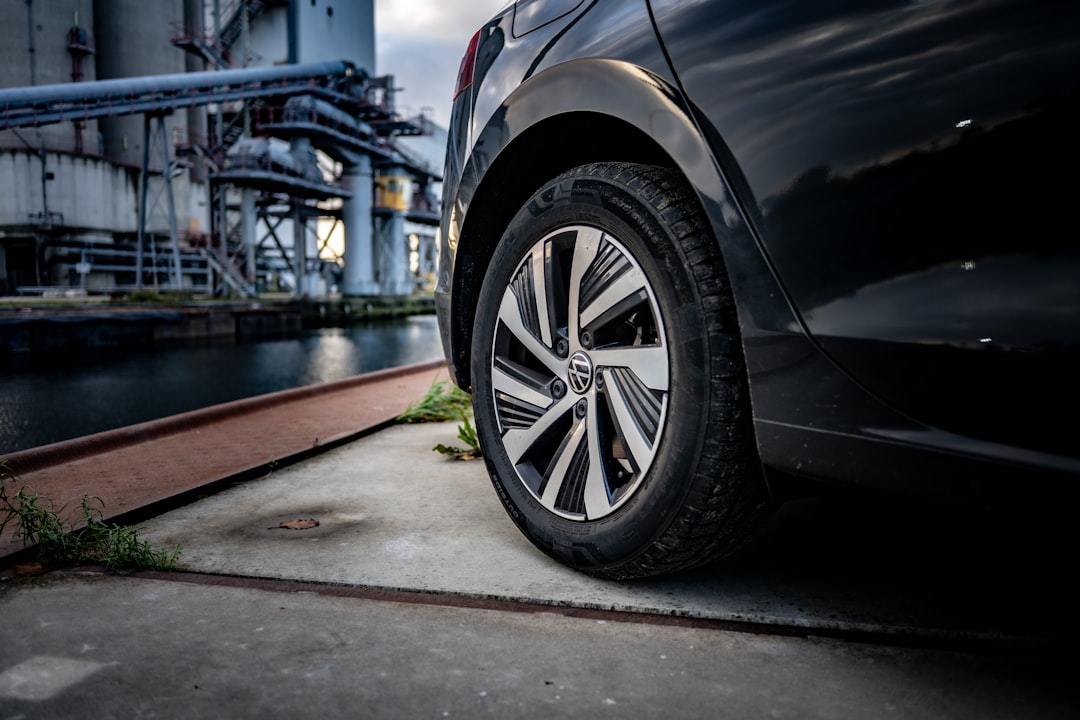
Photo by Mike van den Bos on Unsplash