
Unlock Longer Tire Life: Expert Care Tips
Maximize the lifespan of your tires with essential care and maintenance. Learn how simple practices can save you money and ensure safer driving throughout King County and Pierce County.
Proper tire care is the most effective way to extend tire lifespan, reduce driving costs, and enhance vehicle safety. By implementing a consistent maintenance schedule, you can significantly prolong the life of your tires, ensuring they perform optimally on the diverse roads of the Seattle and Tacoma areas.
The Foundation of Tire Longevity: Regular Checks
Think of your tires as the crucial connection between your vehicle and the road. Neglecting them is like ignoring the foundation of a house; eventually, problems will arise, often at the most inconvenient times. Proactive care, however, can prevent premature wear and costly replacements.
Inflation: The Air in Your Tires Matters
Correct tire pressure is paramount. Underinflated tires flex more, generating excessive heat and leading to uneven wear on the outer edges. Overinflated tires, conversely, reduce the tire’s contact patch with the road, causing the center tread to wear down faster and diminishing ride comfort. Both scenarios compromise handling and fuel efficiency.
Actionable Tip: Check your tire pressure at least once a month and before long trips. The recommended pressure is not found on the tire sidewall, but rather on a sticker located in the driver’s side doorjamb, glove compartment, or fuel filler door. Always use a reliable tire pressure gauge.
According to the National Highway Traffic Safety Administration (NHTSA), maintaining proper tire inflation is a critical aspect of vehicle safety, directly impacting handling, braking, and fuel economy.
Tread Depth: More Than Just Grip
Tread depth is vital for traction, especially during the wet seasons common in the Pacific Northwest. Worn tires struggle to channel water away, increasing the risk of hydroplaning. Beyond safety, insufficient tread depth means your tires are nearing the end of their useful life.
Actionable Tip: Use a tread depth gauge or the simple penny test. Insert a penny into the deepest part of the tread groove with Lincoln’s head facing down. If you can see the top of Lincoln’s head, your tread depth is likely below the legal minimum of 2/32nds of an inch and it’s time for replacement.
Routine Maintenance for Extended Tire Life
Beyond regular pressure checks, a consistent maintenance routine can significantly extend the life of your tires. These practices address wear patterns and ensure your tires remain balanced and aligned.
Tire Rotation: Promoting Even Wear
Front and rear tires, as well as tires on the same axle, experience different wear rates due to vehicle weight distribution and steering forces. Front tires on front-wheel-drive cars, for example, tend to wear faster. Regular tire rotation ensures that all tires wear more evenly.
The Tire Industry Association (TIA) recommends rotating tires every 5,000 to 7,500 miles. This simple service can extend tire life by up to 20 percent.
Actionable Tip: Schedule tire rotations with every oil change or at least twice a year. If you drive a front-wheel-drive vehicle in Bellevue or a rear-wheel-drive vehicle in Tacoma, pay close attention to wear patterns and adjust rotation intervals if needed.
Tire Balancing: A Smooth Ride and Even Wear
Tire balancing involves distributing weight evenly around the wheel assembly. Unbalanced tires can cause vibrations felt in the steering wheel or seat, leading to uneven tire wear, premature suspension damage, and reduced fuel efficiency.
Actionable Tip: Have your tires balanced whenever you notice vibrations, after hitting a significant pothole, or when purchasing new tires. This is a standard service that complements tire rotations.
Wheel Alignment: Straightening Out the Issues
Wheel alignment refers to the angles of your wheels relative to the road and to each other. Misalignment can cause tires to pull to one side, scrub tread off rapidly, and negatively impact handling. Common causes include hitting curbs or driving through deep potholes common on some Seattle-area roads.
Actionable Tip: Get your alignment checked annually or if you notice uneven tire wear, your vehicle pulling to one side, or if the steering wheel is not centered when driving straight. Proper alignment ensures your tires roll straight and true.
Beyond the Basics: Additional Tire Care Strategies
While inflation, tread depth, rotation, balancing, and alignment form the core of tire care, other factors also play a role in maximizing tire lifespan.
Driving Habits Matter
Aggressive driving, such as rapid acceleration, hard braking, and sharp cornering, puts unnecessary stress on your tires, leading to faster wear. Smooth, consistent driving habits are kinder to your tires and your fuel tank.
Actionable Tip: Practice smooth acceleration and braking. Anticipate traffic lights and slowdowns to avoid sudden stops. Take corners at a moderate speed. This not only saves your tires but also improves your driving experience.
Load and Speed Ratings
Ensure your tires are appropriate for your vehicle’s load capacity and typical driving speeds. Exceeding the load rating can cause tire damage and failure. While most daily driving in King County and Pierce County won’t push speed ratings, understanding them is part of overall tire knowledge.
Actionable Tip: Consult your vehicle’s owner’s manual or the tire information sticker to ensure you are using tires with the correct load and speed ratings.
Regular Visual Inspections
Beyond checking tread depth, visually inspect your tires for any signs of damage. Look for cuts, bulges, cracks, punctures, or embedded objects.
Actionable Tip: Make a habit of walking around your vehicle and visually inspecting your tires, especially after encountering rough road conditions. Early detection of issues can prevent more serious problems.
The Impact of Environment on Tire Wear
The climate and road conditions specific to the Puget Sound region can influence tire wear. Frequent rain necessitates good tread for hydroplaning resistance, while a mix of urban and highway driving requires versatile tires.
For drivers navigating the hills of Seattle, the I-5 corridor through Tacoma, or the ferry routes around Bellevue, understanding how these varied conditions affect tire wear is crucial. The constant stop-and-go traffic in urban centers can increase wear on brakes and tires, while highway speeds can heat tires more intensely.
Frequently Asked Questions About Tire Lifespan
### How often should I check my tire pressure?
You should check your tire pressure at least once a month and before any long road trips to ensure optimal safety and wear.
### What is the typical lifespan of a car tire?
The lifespan of a car tire varies greatly, but most last between 30,000 to 50,000 miles, depending on the tire type, driving habits, and maintenance.
### Can poor alignment ruin tires quickly?
Yes, significantly misaligned wheels can cause rapid and uneven tire wear, potentially ruining tires in a matter of thousands of miles.
Keep Your Tires Rolling Longer with TireSquad
Maintaining your tires is essential for safety, performance, and economy. From ensuring proper inflation to scheduling timely rotations and alignments, consistent care makes a significant difference in how long your tires last.
Don’t let tire maintenance become a chore. TireSquad offers convenient mobile tire services across King County and Pierce County, including Seattle, Bellevue, Tacoma, and surrounding areas. We bring professional tire care directly to your home or workplace, saving you time and hassle. Schedule your tire rotation, balancing, or any other tire service today by visiting tiresquad.fieldd.co or calling us at (206) 650-1302. Drive with confidence knowing your tires are in expert hands.
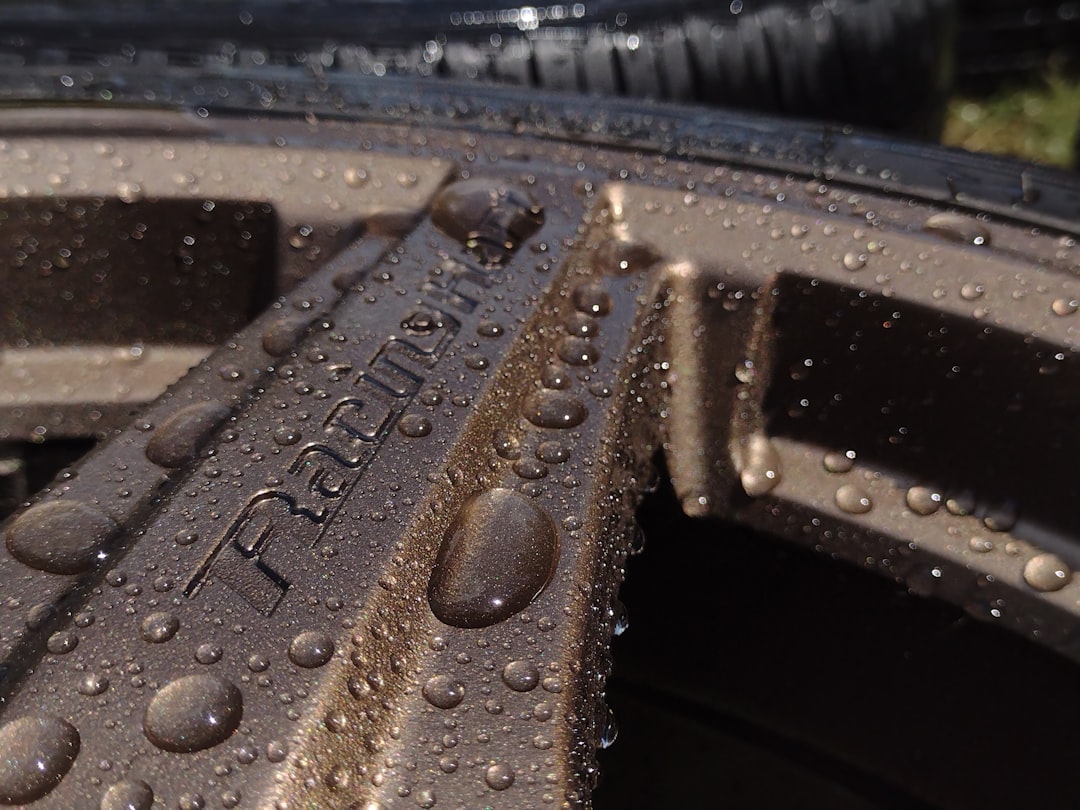
Photo by Warren Valentine on Unsplash