
Master Wet Road Driving: Safety Tips
Driving in wet conditions requires extra caution, especially in the Pacific Northwest. TireSquad provides essential tips to help you stay safe on slick roads, from proper tire maintenance to adjusted driving habits.
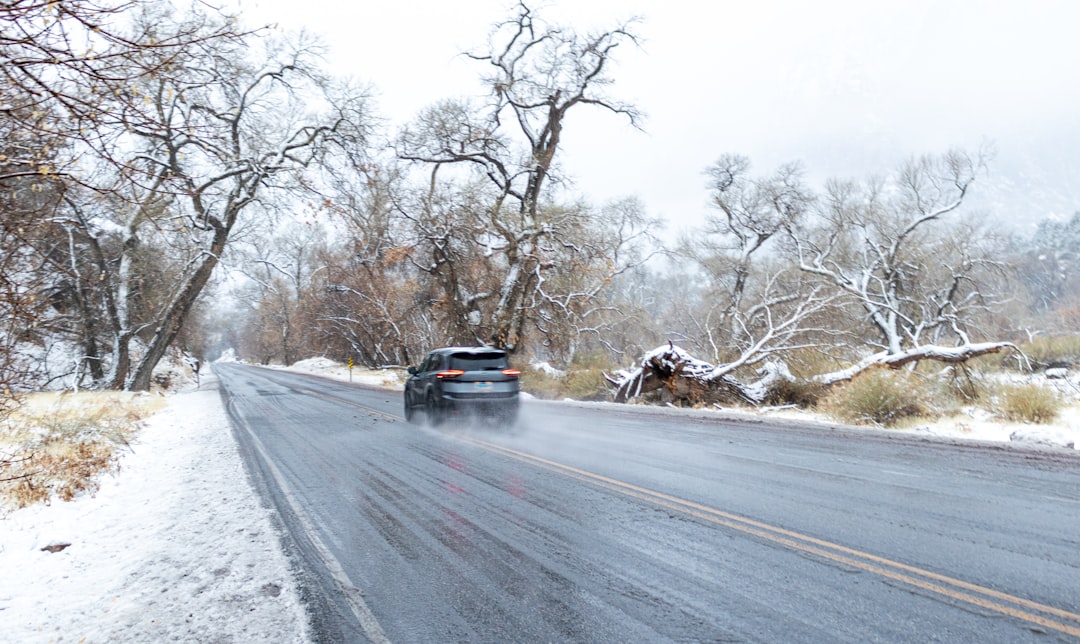
Driving safely in wet conditions is paramount for all motorists, especially in regions like King County and Pierce County where frequent rainfall is common. The most critical factor in maintaining control on wet roads is the condition and type of your tires; worn or improperly inflated tires drastically increase the risk of hydroplaning and skidding.
Understanding the Risks of Wet Weather Driving
Rain, snow, or even just damp roads can significantly reduce tire traction. Water acts as a lubricant between your tires and the road surface, decreasing the friction necessary for safe acceleration, braking, and steering. In areas like Seattle and Tacoma, where commutes can involve busy highways such as I-5 or SR 167, the potential for accidents escalates dramatically during precipitation.
Hydroplaning: The Silent Danger
Hydroplaning occurs when a layer of water builds up between your tires and the road surface, causing your vehicle to lose contact with the pavement. This can happen even at moderate speeds. According to the National Highway Traffic Safety Administration (NHTSA), the risk of hydroplaning increases with speed, water depth, and tire tread depth. Properly maintained tires with adequate tread depth are your first line of defense against this dangerous phenomenon.
Reduced Visibility
Heavy rain can impair visibility for drivers. Reduced sightlines make it harder to see other vehicles, pedestrians, and road hazards. This necessitates not only slower speeds but also increased vigilance.
Essential Tire Maintenance for Wet Conditions
Your tires are your vehicle’s only contact with the road, making their condition critical for wet weather safety. Regular maintenance ensures they perform optimally when you need them most.
Tread Depth is Key
Adequate tread depth is crucial for channeling water away from the tire’s contact patch. Worn tires with shallow treads cannot displace water effectively, significantly increasing the risk of hydroplaning. The Tire Industry Association (TIA) recommends checking tread depth regularly. A simple way to check is using the penny test: insert a penny into the deepest part of the tread with Lincoln’s head upside down. If you can see the top of Lincoln’s head, your tread depth is likely below the safe minimum of 2/32 of an inch and your tires may need replacing.
Proper Tire Inflation
Underinflated or overinflated tires do not make optimal contact with the road surface, compromising traction. Underinflation can lead to uneven wear and increase the likelihood of hydroplaning, while overinflation reduces the tire’s contact area and can make the ride harsher and less stable. Always inflate your tires to the pressure recommended by your vehicle manufacturer, typically found on a sticker in the driver’s side doorjamb or in your owner’s manual. TireSquad offers convenient mobile tire inflation services to ensure your tires are always at the correct pressure.
Tire Condition and Age
Beyond tread depth, inspect your tires for any signs of damage, such as cuts, bulges, or cracks. The Rubber Manufacturers Association (RMA) notes that even tires with good tread can be unsafe if they are aged or damaged. Check the tire’s sidewall for the DOT code, which includes the manufacture date. Tires older than six years, regardless of tread wear, should be inspected by a professional and potentially replaced.
Adjusting Your Driving Habits
Even with perfectly maintained tires, driving habits must adapt to wet conditions. Proactive and cautious driving is essential.
Slow Down
This is the most important rule for wet weather driving. Speed limits are set for ideal conditions. Reducing your speed by even 10-20% can significantly increase your reaction time and reduce the severity of potential incidents. On highways like I-405 or I-5 around Seattle, this speed reduction is critical.
Increase Following Distance
Wet roads dramatically increase braking distances. The general rule of thumb is to double your following distance. Instead of the standard two-second rule, aim for at least four seconds between your vehicle and the one in front of you. This provides a buffer for sudden stops.
Avoid Sudden Maneuvers
Abrupt braking, acceleration, or steering can easily cause a loss of traction on wet surfaces. Make all your driving inputs smooth and gradual. If you need to brake, do so gently and early. If you feel your tires losing grip, ease off the accelerator and steer gently in the direction you want to go.
Be Aware of Standing Water and Puddles
Puddles can hide deep water, potholes, or debris. Driving through deep standing water can lead to hydroplaning or even engine damage if water enters the air intake. If you encounter a large puddle, it’s often safer to slow down significantly or find an alternative route if possible.
Turn On Your Headlights
Even during daylight hours, rain can significantly reduce visibility. Turning on your headlights (not just daytime running lights) makes your vehicle more visible to others and improves your own ability to see.
Check Wiper Blades
Your windshield wipers are crucial for maintaining visibility. Ensure they are in good condition and effectively clear water from your windshield. Worn wiper blades can smear water, making visibility worse.
Emergency Preparedness
It’s wise to be prepared for the unexpected, especially when driving in challenging conditions.
Keep Your Phone Charged
A charged mobile phone is essential for contacting roadside assistance or emergency services if needed. Ensure your phone is fully charged before you leave, especially for longer trips around the Puget Sound region.
Carry an Emergency Kit
Consider carrying a basic emergency kit that includes items like a first-aid kit, jumper cables, a flashlight, and a warm blanket. For wet weather, add a raincoat and waterproof gloves.
Frequently Asked Questions About Wet Weather Driving
### What is the safest speed to drive in the rain?
The safest speed is one that allows you to maintain control and react to hazards. Generally, reducing your speed by 10-20% below the posted limit is recommended, but always adjust based on visibility and road conditions.
### How do I know if my tires are at risk of hydroplaning?
You are at risk of hydroplaning if your tires have worn tread, are underinflated, or if you are driving at excessive speeds through standing water. You might feel a sudden loss of steering control or hear your engine rev higher without your vehicle accelerating.
### Should I use cruise control in the rain?
No, it is strongly advised not to use cruise control in wet conditions. Cruise control can prevent you from reacting quickly enough if you encounter standing water or hydroplane, as it maintains your speed regardless of road surface changes.
Driving safely in wet conditions requires a combination of well-maintained tires and adjusted driving habits. By prioritizing your tires’ condition and driving with caution, you can significantly reduce risks on the road. If you suspect your tires are not in optimal condition for the upcoming rainy season or need a professional assessment, TireSquad is here to help.
Don’t wait for a downpour to think about your tires. TireSquad offers convenient mobile tire services right at your home or office in Seattle, Bellevue, Tacoma, and surrounding areas. We can inspect your tires, perform rotations, balance, or even replace them on the spot. Book your appointment today at tiresquad.fieldd.co or call us at (206) 650-1302 for prompt, professional service.
Photo by Zoshua Colah on Unsplash