
EV Tires: What Makes Them Different?
Electric vehicles (EVs) have unique tire needs due to their weight, instant torque, and focus on range. Understanding these differences is crucial for optimal performance and longevity. This guide breaks down what you need to know about EV tires.
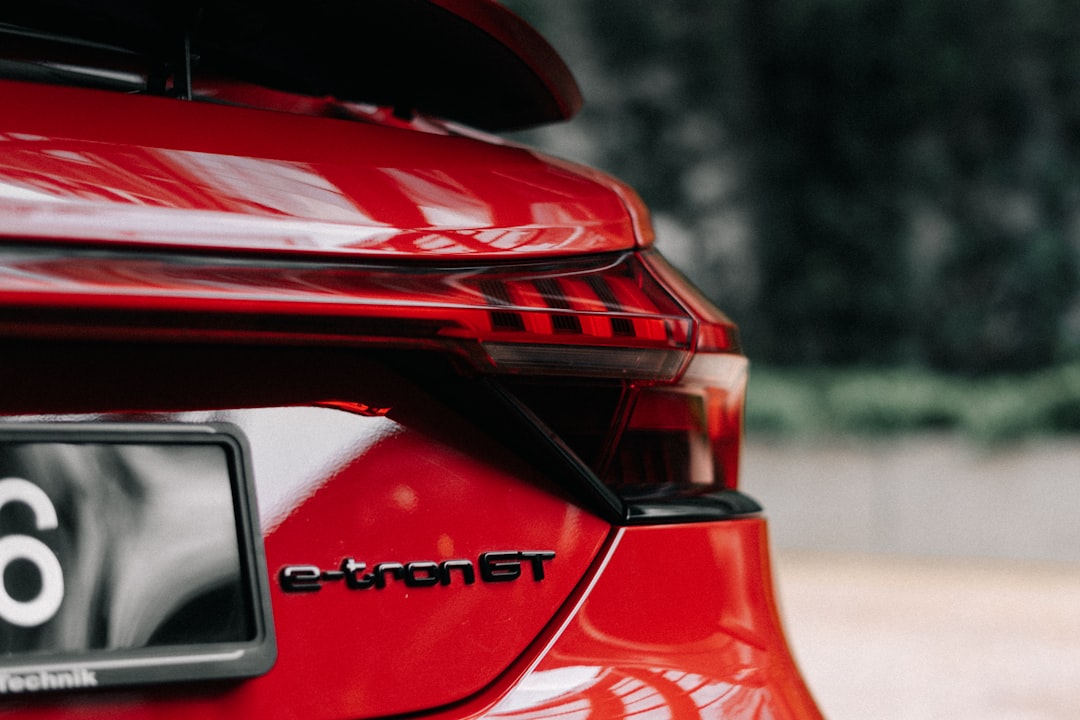
Understanding EV Tire Requirements and Differences
Electric vehicle (EV) tires are specifically engineered to meet the demands of high-torque, heavy, and range-focused electric powertrains, making them distinct from tires designed for conventional internal combustion engine (ICE) vehicles. Key differences lie in their construction, compound, and tread design, all aimed at maximizing efficiency, durability, and performance.
One of the most immediate differences you’ll notice with EV tires is their focus on reducing rolling resistance. Lower rolling resistance means less energy is lost as the tire rotates, directly translating to improved vehicle range. This is a critical factor for EV owners, especially for longer trips around the Puget Sound region, from Seattle to Tacoma. According to NHTSA, tire performance significantly impacts fuel economy, and for EVs, this means battery range.
Why Do EVs Need Special Tires?
The unique characteristics of electric vehicles necessitate specialized tire designs. These characteristics include:
- Instant Torque: EVs deliver maximum torque from a standstill, meaning tires must grip the road effectively to prevent wheelspin and ensure responsive acceleration.
- Weight: Battery packs add significant weight to EVs, increasing the load the tires must bear. This requires stronger construction to prevent premature wear and deformation.
- Range Optimization: Maximizing the distance an EV can travel on a single charge is paramount. Tires play a crucial role in this by minimizing energy loss.
- Noise Reduction: EVs are inherently quieter than ICE vehicles, making tire noise more noticeable. Manufacturers often design EV tires to be quieter for a more comfortable driving experience.
Key Differences in EV Tire Construction and Compounds
EV tires are built with specific considerations that set them apart:
Reinforced Sidewalls and Construction
To handle the increased weight of battery packs, EV tires often feature reinforced sidewalls and a more robust internal structure. This prevents the tire from deforming excessively under load, which can lead to poor handling and accelerated wear. This added strength ensures that even with the weight of a Tesla Model 3 or a Ford Mustang Mach-E, the tires maintain their intended shape and performance characteristics.
Low Rolling Resistance Compounds
The rubber compound used in EV tires is specifically formulated to minimize rolling resistance. This typically involves using advanced silica compounds that are harder and more durable than those found in traditional tires. While this might seem counterintuitive for grip, manufacturers have found ways to balance this to provide adequate traction while prioritizing efficiency. The Tire Industry Association (TIA) often highlights advancements in rubber compounds as key to tire performance and longevity.
Tread Design for Efficiency and Grip
Tread patterns on EV tires are optimized for a balance of low rolling resistance and sufficient grip. Some designs feature narrower tread blocks, shallower tread depths, or a more continuous rib design to reduce friction. However, they must still provide excellent traction, especially in wet conditions common in the Seattle and Bellevue areas, and handle the instant torque of electric motors. Tread life is also a significant consideration, as EV tires need to withstand the unique stresses placed upon them.
Noise Dampening Technology
Because EVs are so quiet, tire noise can become a dominant factor in the overall cabin experience. Many EV tires incorporate noise-dampening features, such as special foam inserts or specific tread patterns designed to break up sound waves. This contributes to a quieter, more refined ride, a feature highly valued by EV owners.
Common EV Tire Markings and Specifications
When selecting tires for your EV, pay attention to specific markings and specifications:
- Manufacturer Markings: Many tire manufacturers use specific markings to denote tires designed for electric vehicles. For example, Michelin uses ‘ ‘ and Pirelli uses ‘ ‘, and Tesla often specifies ‘T0’ or ‘T1’ for original equipment tires. Always check your vehicle’s manual or the sidewall for recommended markings.
- Load Index: Due to the weight of EVs, ensuring the tires have an adequate load index is crucial. This rating indicates the maximum weight each tire can support.
- Speed Rating: While EVs are powerful, their speed ratings are often comparable to ICE vehicles, but it’s essential to match the recommended speed rating for safe operation.
- Tire Size: Always adhere to the recommended tire size for your specific EV model. Deviating from this can affect performance, range, and safety systems.
Tips for EV Tire Maintenance in the Pacific Northwest
Proper maintenance is key to ensuring your EV tires perform optimally and last as long as possible, especially with the varied weather conditions we experience from Tacoma to the Eastside.
Regular Inspections
Check your tire pressure regularly, at least once a month, and before long trips. Underinflated tires increase rolling resistance, reducing your EV’s range and increasing wear. Overinflated tires can lead to a harsher ride and uneven wear. For EVs, maintaining the manufacturer’s recommended pressure is even more critical for efficiency. Consumer Reports consistently advises on the importance of proper tire inflation.
Tire Rotation
EVs can cause unique wear patterns due to their instant torque and heavier weight. Rotating your tires every 5,000 to 7,500 miles, or as recommended by your vehicle manufacturer, is essential. This helps to ensure even wear across all four tires, extending their lifespan and maintaining balanced handling. Mobile tire services like TireSquad can perform rotations conveniently at your home or office in areas like Renton or Puyallup.
Wheel Alignment and Balancing
Proper wheel alignment and balancing are crucial for EVs. Misalignment can cause rapid tire wear and affect the vehicle’s handling and efficiency. Balancing ensures that the weight of the tire and wheel assembly is evenly distributed, preventing vibrations and reducing stress on suspension components. If you notice uneven wear or your vehicle pulls to one side, it’s time for a check.
Driving Habits
Aggressive driving, such as rapid acceleration and hard braking, can significantly shorten the life of any tire, but it’s particularly impactful on EV tires due to the instant torque. Smooth acceleration and braking will not only preserve your tires but also help maximize your EV’s range.
Frequently Asked Questions About EV Tires
Are EV tires more expensive?
Generally, EV tires can be more expensive than standard tires due to the specialized materials, technology, and reinforced construction required. However, their longer lifespan and the efficiency benefits can offset the initial cost over time.
How long do EV tires typically last?
The lifespan of EV tires varies greatly depending on the specific tire, vehicle, driving habits, and maintenance. While some EV tires are designed for longevity, the high torque and weight of EVs can sometimes lead to faster wear compared to tires on lighter, less powerful ICE vehicles. However, with proper care, many EV owners achieve satisfactory mileage.
Can I put regular tires on an EV?
While you might be able to physically fit regular tires onto an EV, it is not recommended. Standard tires may not have the load-carrying capacity, durability, or low rolling resistance needed for an EV, potentially compromising safety, performance, range, and tire longevity.
Choosing the right tires for your electric vehicle is a critical decision that impacts performance, range, and safety. Understanding the unique demands placed on EV tires ensures you select the best options for your vehicle and driving needs. When it’s time for new tires, or if you have questions about the best EV tires for your car, TireSquad is here to help. Our mobile tire service brings expert tire replacement, rotation, and balancing directly to your doorstep anywhere in King County and Pierce County, from Seattle to Tacoma and beyond. Book your appointment today at tiresquad.fieldd.co or call us at (206) 650-1302.