
Run-Flat Tire Tech: A Safer Drive Evolved
Run-flat tires have come a long way, transforming from a niche safety feature to a sophisticated technology. Discover how their evolution ensures a more secure and convenient driving experience across King and Pierce Counties.
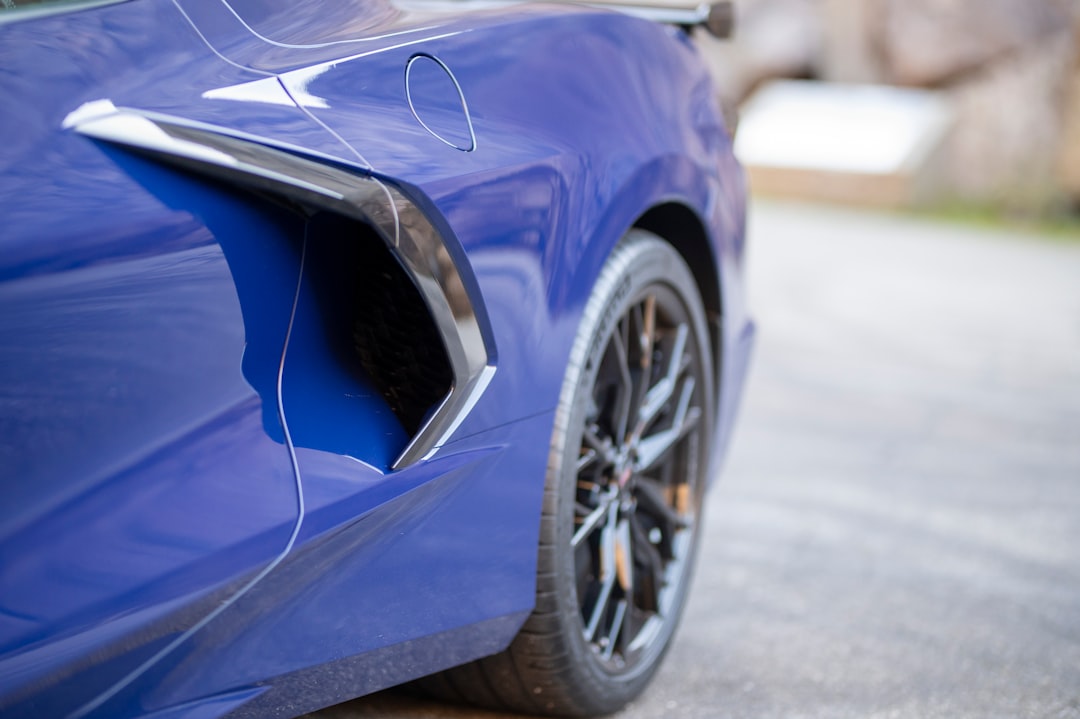
Run-flat tire technology allows a vehicle to continue driving for a limited distance and at a reduced speed after a complete loss of tire pressure. This capability significantly enhances safety by preventing sudden loss of control, especially in critical situations or hazardous road conditions common in the Seattle and Tacoma areas, such as heavy traffic or inclement weather.
The Genesis of Run-Flat Technology
The concept of a tire that could maintain its shape and support the vehicle after deflation emerged decades ago, driven by a desire to improve safety and reduce the inconvenience of roadside tire changes. Early iterations, often referred to as self-supporting run-flat tires, relied on significantly stiffer sidewalls. These reinforced sidewalls were designed to bear the vehicle’s weight even without air pressure, preventing the tire from de-rimming. However, these initial designs often came with considerable drawbacks, including a harsh ride quality, increased weight, and higher cost. For drivers in areas like Bellevue or Tacoma, where smooth roads can quickly turn into less forgiving surfaces, the ride comfort was a significant compromise.
Evolution in Sidewall Reinforcement and Support Systems
The primary challenge in run-flat technology has always been balancing the need for structural integrity during deflation with maintaining acceptable ride comfort and handling characteristics when the tire is inflated. Over the years, tire manufacturers have developed several key approaches to achieve this:
Self-Supporting Tires
This is the most common type of run-flat tire today. As mentioned, these tires feature significantly reinforced sidewalls. The rubber compounds and structural layers within the sidewall are engineered to be much harder and more resistant to collapse than those in conventional tires. This allows the sidewall to carry the vehicle’s load. The primary advantage is that no special wheels or suspension modifications are required, making them a direct replacement for standard tires. However, the trade-off often remains a firmer ride, which can be more noticeable on the less maintained roads found outside of major city centers in King County.
Support Ring Tires
An alternative, though less common, design utilizes a hard, doughnut-shaped rubber or polyurethane ring mounted inside the tire on the wheel rim. When the tire loses pressure, the vehicle’s weight is transferred to this support ring, which carries the load. While this design can offer a more compliant ride in its inflated state compared to some self-supporting tires, it adds complexity and weight. Furthermore, if the tire is damaged beyond repair, the entire assembly, including the ring, may need replacement. The Tire Industry Association (TIA) notes that specialized installation and handling procedures are often required for these systems.
Technological Advancements and Benefits
Modern run-flat technology has moved beyond just stiff sidewalls. Innovations have focused on improving performance in several key areas:
Improved Ride Comfort
Manufacturers have invested heavily in developing advanced rubber compounds and internal structures that provide a more comfortable ride when the tire is properly inflated. By carefully designing the ply structures and using more sophisticated materials, the harshness associated with early run-flats has been significantly reduced. This makes them a more viable option for everyday driving in diverse conditions found throughout Washington state, from the urban sprawl of Seattle to the more varied terrain around Puyallup.
Reduced Weight
While still generally heavier than comparable standard tires, advancements have led to lighter run-flat designs. This helps to mitigate the negative impact on fuel economy and vehicle performance that heavier tires can cause.
Integrated Safety Systems
A crucial element for the effective use of run-flat tires is a Tire Pressure Monitoring System (TPMS). Since a deflated run-flat tire may not be visually obvious due to its stiff sidewalls, a functional TPMS is essential. It alerts the driver to a loss of pressure, indicating that the tire’s run-flat capability should be engaged and the vehicle driven to a service location. According to the National Highway Traffic Safety Administration (NHTSA), TPMS is mandated on all new passenger vehicles and light trucks, making it standard equipment for most modern cars equipped with run-flats.
Extended Mobility
Modern run-flat tires typically allow drivers to travel up to 50 miles at speeds not exceeding 50 mph after a complete loss of pressure. This is more than sufficient to reach a safe location or a tire service center, avoiding the need for an immediate roadside tire change, which can be particularly hazardous on busy highways like I-5 or I-405.
Who Benefits Most from Run-Flat Technology?
Run-flat tires offer distinct advantages for several types of drivers and vehicles:
- Safety-Conscious Drivers: The primary benefit is the enhanced safety and peace of mind, knowing that a flat tire won’t lead to an immediate breakdown or dangerous situation.
- Drivers in Remote or High-Risk Areas: For those who frequently drive in areas with limited cell service or infrequent services, the ability to drive to safety is invaluable.
- Performance Vehicles: Some high-performance cars are equipped with run-flats as standard, partly to maintain a sleek design without a spare tire, and partly for the safety benefits at higher speeds.
- Drivers Seeking Convenience: Eliminating the need to carry or change a spare tire simplifies travel and frees up cargo space.
Practical Tips for Run-Flat Tire Owners
Owning vehicles equipped with run-flat tires comes with specific considerations:
- Always Monitor Your TPMS: Never ignore a TPMS warning light. It’s your primary indicator of a potential issue.
- Understand Your Tire’s Limits: Familiarize yourself with the specific distance and speed limitations of your run-flat tires. These can vary by manufacturer.
- Seek Professional Service Promptly: Once you experience a deflation event and utilize the run-flat capability, get your tires inspected and serviced as soon as possible. Driving on deflated run-flats for too long or too fast can cause irreparable damage to the tire and potentially the wheel.
- Replacement Requires Care: Run-flat tires often require specialized equipment for mounting and dismounting due to their stiff construction. If you find yourself needing new tires in the Seattle or Tacoma area, ensure your service provider is equipped to handle them.
- Not All Run-Flats are Repairable: Due to the structural stresses they endure when run flat, many manufacturers do not recommend repairing run-flat tires after they have been driven on with zero pressure. Always consult with a qualified tire professional.
The Future of Run-Flat Technology
The evolution of run-flat technology is ongoing. Future developments are likely to focus on further reducing weight, improving ride comfort to match or exceed conventional tires, and enhancing durability. We may also see greater integration with advanced vehicle systems, potentially allowing tires to communicate their condition more precisely and adapt their performance characteristics. As automotive technology continues to advance, run-flat capabilities will likely become even more sophisticated, seamlessly integrated into the overall driving experience.
Frequently Asked Questions about Run-Flat Tires
Are run-flat tires worth the extra cost?
For many drivers, the enhanced safety and convenience of run-flat tires justify the higher initial cost and potential for a slightly firmer ride.
Can I replace my regular tires with run-flat tires?
Yes, if your vehicle is equipped with a TPMS, you can typically switch to run-flat tires without modification.
How far can I drive on a run-flat tire?
Most run-flat tires allow you to drive approximately 50 miles at speeds up to 50 mph after losing air pressure.
Are run-flat tires repairable?
Repairability varies by manufacturer and the extent of damage; many recommend replacement after being driven on with zero pressure.
When you need reliable tire service for your vehicle, whether it’s routine maintenance or an unexpected flat, TireSquad is here to help. Our mobile tire service brings expert tire care directly to your location across King County and Pierce County, including Seattle, Bellevue, Tacoma, and surrounding areas. Don’t let tire troubles slow you down; book your appointment with TireSquad today and experience the convenience of professional mobile tire solutions.
Photo by Dragon White Munthe on Unsplash