
Emergency Tire Prep: Stay Safe on WA Roads
Unexpected tire issues can happen anywhere, from Seattle commutes to Tacoma road trips. Learn how to prepare for roadside emergencies with our expert guide. Ensure you're equipped to handle tire trouble safely and efficiently.
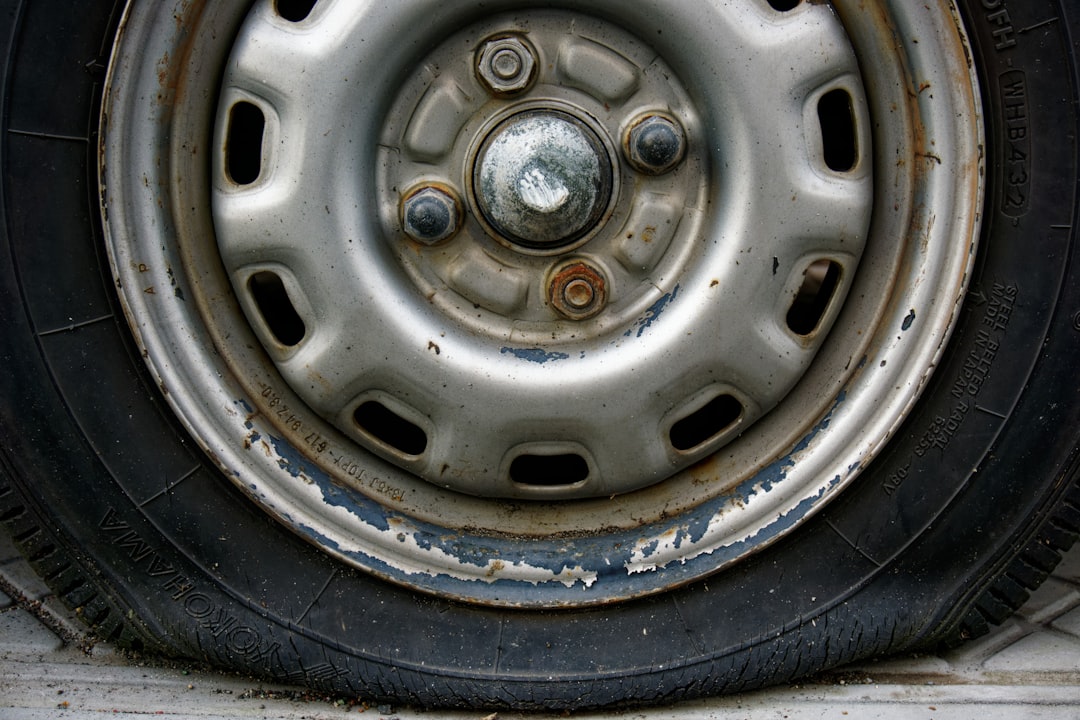
Be Ready for Anything: Essential Emergency Roadside Tire Preparation
Proper emergency roadside tire preparation means having the right knowledge and equipment before a flat tire or blowout occurs, allowing you to handle unexpected situations safely and minimize disruption to your journey across King County and Pierce County.
Living in the vibrant Pacific Northwest, whether you’re navigating the bustling streets of Seattle, the scenic routes around Bellevue, or the highways connecting Tacoma and its surrounding areas, tire issues can arise unexpectedly. Flat tires, blowouts, or sudden air loss don’t adhere to a schedule. Being prepared for these roadside emergencies is not just about convenience; it’s a critical aspect of your safety and the safety of others on the road. This guide will walk you through the essential steps for emergency tire preparation, ensuring you’re ready to face the unexpected with confidence.
Why Emergency Tire Preparation Matters in Washington
The diverse weather conditions and varying road quality in areas like King County and Pierce County can contribute to tire problems. From summer heat impacting tire pressure to winter road treatments and the ever-present potential for debris on roads, a tire emergency can strike at any time. Being unprepared can lead to dangerous situations, such as being stranded in inclement weather, facing increased risk of further vehicle damage, or even accidents if attempting unsafe roadside repairs.
According to the National Highway Traffic Safety Administration (NHTSA), maintaining tires is crucial for vehicle safety. They emphasize that proper tire inflation, tread depth, and regular inspection can prevent tire failure. Emergency preparation builds upon these maintenance fundamentals, focusing specifically on how to react when something goes wrong.
Essential Equipment for Your Emergency Tire Kit
A well-stocked emergency tire kit is your first line of defense when a tire issue arises. While your vehicle may come with a spare tire and basic tools, augmenting this with specific items can make a significant difference.
The Spare Tire: Your Most Important Tool
Ensure your spare tire is in good condition, properly inflated, and readily accessible. Many modern vehicles come with a compact spare or a tire repair kit instead of a full-size spare. Understand what type of spare you have and its limitations. Compact spares, for example, are designed for temporary use and have speed and distance restrictions.
Essential Tools for Tire Changes
- Jack and Lug Wrench: Familiarize yourself with how to use your vehicle’s jack and lug wrench. Ensure they are the correct size for your lug nuts.
- Tire Pressure Gauge: Regularly check the pressure of your spare tire and your primary tires. A reliable gauge is indispensable.
- Gloves: Protect your hands, especially during cold or wet weather common in the Seattle and Tacoma areas.
- Wheel Chocks: These are vital for preventing your vehicle from rolling while it’s jacked up. Even a small incline can be dangerous.
- Flashlight or Headlamp: Essential for visibility if you experience a flat tire at night or in low-light conditions.
- Tire Sealant/Inflator Kit: For minor punctures, a temporary sealant can sometimes get you to a service station or home. However, know that this may not be a permanent fix and can sometimes complicate professional repairs.
- Work Mat or Cardboard: To kneel on, keeping you clean and dry.
Knowing How to Use Your Equipment Safely
Having the equipment is only half the battle; knowing how to use it safely is paramount. The Tire Industry Association (TIA) offers extensive training and resources for safe tire handling and service, underscoring the importance of proper technique.
Step-by-Step Guide to Changing a Tire
While we encourage professional assistance for most tire emergencies, understanding the basic steps can empower you in a pinch:
- Find a Safe Location: Pull over as far as possible from traffic, preferably on a level, firm surface. Avoid soft shoulders or busy highway lanes.
- Turn on Hazard Lights: Make your vehicle visible to other drivers.
- Engage Parking Brake and Chock Wheels: Ensure the vehicle won’t move. Chock the wheel diagonally opposite the flat.
- Loosen Lug Nuts: Before jacking, slightly loosen the lug nuts on the flat tire. Turn them counterclockwise.
- Position the Jack: Place the jack under the vehicle’s frame at the designated jacking point. Consult your owner’s manual for its location.
- Raise the Vehicle: Slowly raise the vehicle until the flat tire is completely off the ground.
- Remove Lug Nuts and Flat Tire: Finish unscrewing the lug nuts and carefully remove the flat tire.
- Mount the Spare Tire: Place the spare tire onto the wheel studs and hand-tighten the lug nuts.
- Lower the Vehicle: Slowly lower the vehicle until the spare tire touches the ground.
- Tighten Lug Nuts: Firmly tighten the lug nuts in a star pattern.
- Lower Completely and Final Tighten: Lower the vehicle the rest of the way and give the lug nuts a final, firm tightening.
Important Safety Considerations
- Never get under a vehicle supported only by a jack.
- If you are on a busy road, or feel unsafe, do not attempt the change. Call for professional roadside assistance.
- Be aware of your surroundings, especially at night or in remote areas.
- Torque lug nuts to the manufacturer’s specifications as soon as possible after a tire change.
Beyond the Spare: Temporary Fixes and When to Call for Help
For minor punctures, a tire sealant and inflator kit can offer a temporary solution. These products inject a sealant and propellant into the tire, which can seal small holes and re-inflate the tire. However, it’s crucial to understand that these are temporary measures. Many modern tire sealants can also make a permanent repair more difficult or impossible for professionals.
The AAA Foundation for Traffic Safety highlights that roadside assistance is a vital service for drivers facing unexpected vehicle issues. Knowing when to call for professional help is a sign of good judgment and prioritizes safety.
When to Call TireSquad for Mobile Assistance
While self-sufficiency is valuable, there are times when calling a professional mobile tire service is the safest and most efficient option. Consider calling TireSquad if:
- You are in an unsafe location (e.g., busy highway, poor lighting).
- You are physically unable to change a tire.
- You don’t have the necessary equipment or your spare is also flat.
- The damage to the tire appears significant (e.g., sidewall damage, large punctures).
- You are uncomfortable or unsure about performing the tire change yourself.
- You need a permanent repair or replacement and don’t want to risk a temporary fix.
Proactive Preparation: Reducing the Likelihood of Emergencies
The best emergency preparation is often proactive maintenance. Regularly checking your tires can prevent many roadside issues.
Regular Tire Inspections
- Tread Depth: Ensure you have adequate tread for safe driving, especially on wet roads common in the Seattle and Bellevue areas. Use a tread depth gauge or the penny test.
- Tire Pressure: Check tire pressure at least once a month and before long trips. Proper inflation is key to tire life and safety.
- Visual Inspection: Look for any cuts, bulges, cracks, or embedded objects in the tire tread and sidewalls.
Understanding Tire Health
The Consumer Reports guide on tire maintenance emphasizes that understanding the signs of wear and damage is crucial for preventing unexpected failures. Pay attention to uneven wear patterns, which can indicate alignment or balancing issues that should be addressed promptly.
FAQs About Emergency Roadside Tire Preparation
### What is the most important item in an emergency tire kit?
The most important item is a properly inflated and accessible spare tire (or a reliable tire sealant and inflation kit if your vehicle doesn’t have a spare).
### How often should I check my spare tire?
You should check the pressure of your spare tire at least every few months, or whenever you check your primary tires, to ensure it’s ready when needed.
### Can I drive on a compact spare indefinitely?
No, compact spares are for temporary use only and have strict speed and distance limitations. They should be replaced with a full-size tire as soon as possible.
### Is it safe to change a tire on the side of a busy highway?
It is generally not safe. If you are on a busy road, it is better to call for professional roadside assistance and wait in a secure location away from traffic.
Don’t Get Stranded: Trust TireSquad for Mobile Tire Solutions
Roadside tire emergencies can be stressful, but with proper preparation and the right support, you can get back on the road safely and quickly. Whether you’re commuting through Seattle, running errands in Tacoma, or enjoying a weekend drive through Pierce County, TireSquad is here to help. Our expert technicians provide fast, reliable mobile tire service directly to your location. From flat tire repair and replacement to routine maintenance, we bring the tire shop to you. Don’t let a flat tire ruin your day; book your appointment online or call us today!