
Extend Tire Life: Smart Care Tips for WA Drivers
Unlock the secrets to making your tires last longer. Discover essential maintenance practices that save you money and ensure your safety on King and Pierce County roads.
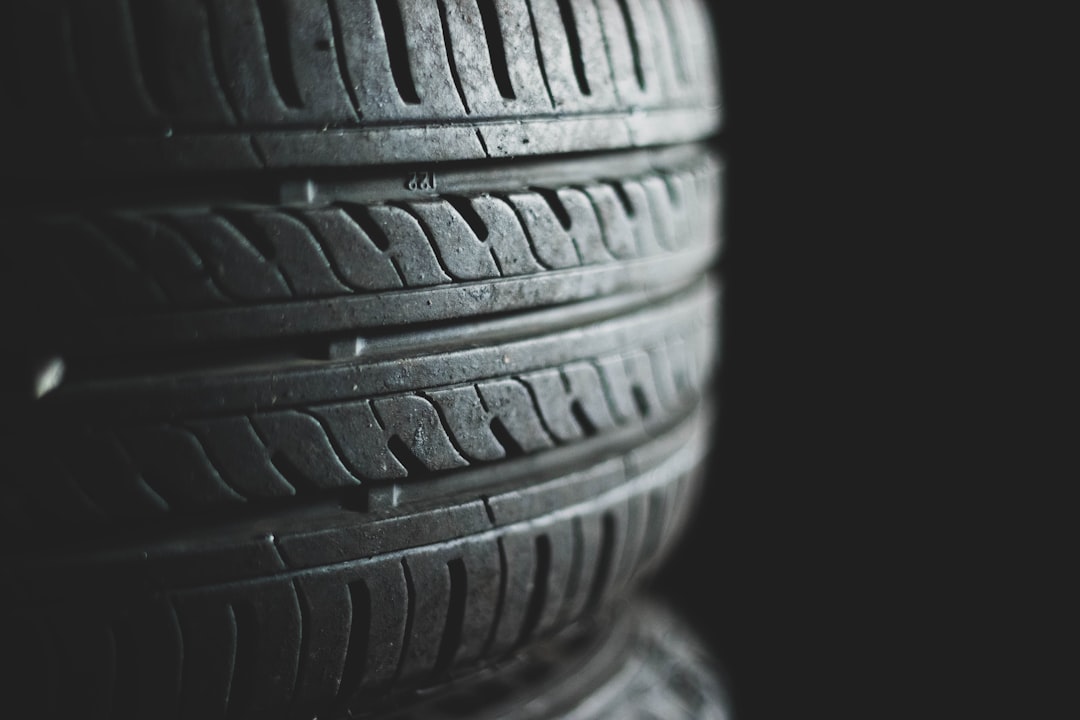
Proper tire care is the most effective way to extend the lifespan of your tires, saving you money on premature replacements and ensuring optimal safety and performance on the road. Neglecting basic maintenance can lead to uneven wear, reduced fuel efficiency, and potentially dangerous driving conditions, especially on the varied terrain and weather found across King County and Pierce County, from the bustling streets of Seattle and Bellevue to the highways around Tacoma.
The Foundation of Longevity: Tire Inflation
Maintaining the correct tire pressure is arguably the single most critical factor in tire longevity. Underinflated tires flex excessively, causing heat buildup and premature wear on the outer edges. Overinflated tires, conversely, reduce the tire’s contact patch with the road, leading to a harsher ride and accelerated wear in the center of the tread. Both scenarios compromise handling and fuel economy.
How to Check and Maintain Tire Pressure:
- Find the Recommended Pressure: The correct tire pressure for your vehicle is not found on the tire sidewall. Instead, look for the sticker on the driver’s side doorjamb, inside the glove box, or in your owner’s manual. The sidewall numbers are the maximum pressure the tire can hold, not the recommended operating pressure for your vehicle.
- Use a Reliable Gauge: Invest in a quality tire pressure gauge. Digital gauges are often the most accurate.
- Check Regularly: Check tire pressure at least once a month and before long road trips. Remember that tire pressure changes with temperature; for every 10 degrees Fahrenheit change, tire pressure can fluctuate by about 1 PSI. This is especially important in the Pacific Northwest, where temperatures can shift significantly.
- Check When Cold: For the most accurate reading, check tire pressure when the tires are cold, meaning the vehicle hasn’t been driven for at least three hours or has been driven less than a mile at moderate speed.
According to the National Highway Traffic Safety Administration (NHTSA), maintaining proper tire inflation can improve fuel economy by up to 3% and prevent tire failures.
The Importance of Tire Rotation
Tires on a vehicle wear differently due to the varying loads and forces they experience. Front tires typically bear more weight and handle steering forces, leading to faster wear. Rear tires often experience less stress. Regular tire rotation helps to equalize this wear pattern.
Tire Rotation Schedule and Benefits:
- Frequency: It’s generally recommended to rotate tires every 5,000 to 7,500 miles. This aligns with many vehicle oil change intervals, making it easy to remember.
- Benefits: Consistent rotation promotes even tread wear across all four tires, significantly extending their overall lifespan. It also contributes to better handling, a smoother ride, and improved fuel efficiency.
- Rotation Patterns: Different vehicles and tire types (directional vs. non-directional) require specific rotation patterns. A professional service technician will know the correct pattern for your car. For instance, front tires might be moved to the rear, and rear tires to the front, or a crisscross pattern might be used depending on your vehicle’s drivetrain and tire design.
The Tire Industry Association (TIA) emphasizes that regular tire rotation is a key component of preventative maintenance that maximizes tire life and safety.
The Role of Proper Alignment
While tire rotation addresses wear from different positions on the vehicle, wheel alignment addresses wear caused by the angle of the wheels. Misaligned wheels can cause tires to ‘scrub’ against the road surface, leading to rapid and uneven tread wear. Symptoms of poor alignment include a vehicle pulling to one side, uneven tire wear patterns (like feathering or cupping), and a steering wheel that isn’t centered when driving straight.
When to Check Wheel Alignment:
- After Impacts: If you’ve hit a significant pothole, curb, or debris on roads around Seattle or Tacoma, your alignment may be affected.
- Tire Wear Signs: Noticeable uneven wear on your tires is a strong indicator that alignment needs checking.
- Steering Issues: If your car pulls to the left or right, or if the steering wheel feels loose or unresponsive, an alignment check is necessary.
- Suspension Work: Anytime suspension or steering components are replaced, alignment should be checked.
Proper alignment ensures that all tires are pointed in the same direction, rolling straight and true, which is crucial for both tire longevity and vehicle stability.
The Necessity of Tire Balancing
Tire balancing ensures that the weight of the tire and wheel assembly is evenly distributed. A small weight imbalance, often caused by manufacturing variations or minor tire damage, can lead to vibrations felt at certain speeds. These vibrations, while sometimes subtle, can cause accelerated and uneven tire wear, premature suspension component wear, and a less comfortable driving experience.
Signs Your Tires Need Balancing:
- Vibrations: You feel a shaking or vibration in the steering wheel or through the seat of the car, especially at highway speeds (e.g., on I-5 or SR 167).
- Uneven Wear: You notice cupping or scalloping patterns on the tire tread.
- New Tires or Wheels: It’s standard practice to balance tires whenever they are mounted on new wheels or if new tires are installed.
Balancing is typically done at the time of tire installation and then checked during tire rotations or if symptoms arise. It’s a relatively quick process that significantly contributes to a smooth ride and extends tire life.
Driving Habits Matter
How you drive directly impacts how long your tires last. Aggressive driving behaviors, such as rapid acceleration, hard braking, and sharp cornering, put excessive stress on your tires, leading to faster wear and tear.
Tips for Gentle Driving:
- Smooth Acceleration and Braking: Avoid sudden bursts of speed and abrupt stops. Anticipate traffic flow to brake and accelerate smoothly.
- Gentle Cornering: Reduce speed before entering turns to minimize side forces on the tires.
- Avoid Road Hazards: Be mindful of potholes, curbs, and debris on the road. These can cause immediate damage and affect tire health. Driving carefully through the construction zones common in the Puget Sound area can prevent costly repairs.
- Proper Load Distribution: Avoid overloading your vehicle, as this puts extra strain on your tires. Check your owner’s manual for your vehicle’s load capacity.
Regular Inspections for Early Detection
Routine visual inspections of your tires can help you catch potential problems before they become serious. This allows for timely intervention, preventing more significant damage and extending tire life.
What to Look For During Inspections:
- Tread Depth: Use a tread depth gauge or the penny test (insert a penny upside down into the deepest part of the tread; if you can see the top of Lincoln’s head, your tread is too low) to check wear. The legal minimum tread depth is 2/32 of an inch, but performance can be compromised before reaching that point, especially in wet conditions common in Washington.
- Irregular Wear Patterns: Look for signs of cupping, feathering, or wear on the edges or center of the tread.
- Sidewall Damage: Check for cracks, bulges, cuts, or embedded objects. Any damage to the sidewall is a serious concern.
- Foreign Objects: Inspect for nails, screws, or other debris that may have become embedded in the tire.
Addressing minor issues like a slow leak or a small cut promptly can prevent a catastrophic tire failure and save you money.
Frequently Asked Questions About Tire Lifespan
How often should I check my tire pressure?
You should check your tire pressure at least once a month and before any long trips, as well as when temperatures change significantly.
What is the most common cause of premature tire wear?
The most common causes of premature tire wear are improper inflation, lack of regular tire rotation, and poor wheel alignment.
Can bad driving habits really shorten tire life significantly?
Yes, aggressive driving behaviors like hard acceleration, braking, and cornering significantly increase stress on tires, leading to much faster wear.
How long do tires typically last?
The lifespan of tires varies greatly depending on the tire type, driving habits, road conditions, and maintenance. However, many tires can last between 30,000 to 70,000 miles or more with proper care.
Keep Your Tires Rolling Smoothly with TireSquad
Maintaining your tires is essential for your safety, your vehicle’s performance, and your wallet. From ensuring correct inflation to scheduling regular rotations and addressing alignment issues, proactive care is key. Don’t wait for a flat tire or a worn-out tread to address your tire needs. TireSquad offers convenient mobile tire services right at your home or office throughout Seattle, Bellevue, Tacoma, and surrounding areas. We can handle tire installations, rotations, balancing, flat repairs, and TPMS services, all at your location. Book your appointment today or call us at (206) 650-1302 and let us help you extend the life of your tires!
Photo by Benjamin Brunner on Unsplash