PNW Rain Tires: Prep for Seattle’s Wet Season
As the Pacific Northwest rain season approaches, ensuring your tires are ready is paramount for safety. Discover how to prepare your vehicle for the slick conditions common in Seattle, Bellevue, and Tacoma.
Mastering the PNW Rain Season: Essential Tire Preparation for Washington Drivers
Preparing your tires for the Pacific Northwest rain season is crucial for maintaining safety and control on the notoriously slick roads of King County and Pierce County. The transition from dry summer conditions to the persistent drizzle and downpours requires a proactive approach to tire maintenance and understanding how your tires interact with wet asphalt.
The very first step in preparing your tires for the rainy season is to ensure they have adequate tread depth. Tread is what allows your tires to grip the road, especially when water is present. As NHTSA reminds us, “Tires are the only connection between your vehicle and the road,” making their condition paramount for safety. Insufficient tread depth significantly reduces a tire’s ability to channel water away, leading to hydroplaning, a dangerous situation where a layer of water lifts the tire off the road surface.
Tread Depth: Your First Line of Defense
A general rule of thumb is that tires should have at least 4/32 of an inch of tread depth remaining. Tires with less than 2/32 of an inch are considered legally bald and pose a serious risk in wet conditions. You can easily check your tread depth using a tire tread depth gauge, which is an inexpensive tool, or by using the simple “penny test.” Insert a penny into the deepest part of the tread groove with Lincoln’s head facing down. If you can see the top of Lincoln’s head, your tread depth is likely below 4/32 of an inch and it’s time to consider replacement.
Beyond simple depth, the condition of the tread grooves is also vital. Uneven wear patterns can compromise a tire’s ability to displace water effectively. Regularly inspecting your tires for cracks, bulges, or embedded objects is also part of essential rain-season preparation. These issues can be exacerbated by the increased stress of driving on wet surfaces.
Tire Pressure: The Unsung Hero of Wet Weather Grip
Proper tire inflation is another often overlooked, yet critically important, aspect of preparing for the rainy season. Underinflated tires can lead to poor handling and increased susceptibility to hydroplaning because the tire’s contact patch with the road is not optimized. Overinflated tires, conversely, reduce the contact patch, diminishing grip and potentially causing a harsher ride.
The recommended tire pressure for your vehicle can be found on a sticker located on the driver’s side doorjamb, in your owner’s manual, or sometimes on the fuel filler door. It’s important to check your tire pressure when the tires are cold, meaning they haven’t been driven for at least three hours. The pressure listed on the tire sidewall is the maximum pressure the tire can hold, not the recommended operating pressure for your vehicle.
Choosing the Right Tires for Pacific Northwest Deluges
While all-season tires are designed to perform adequately in a variety of conditions, including light rain and snow, the persistent and often heavy rains of the PNW might make you consider specialized tires. For drivers in areas like Seattle, Bellevue, or Tacoma who frequently encounter standing water or more severe wet weather, touring or performance all-season tires often offer enhanced wet traction and hydroplaning resistance due to their tread designs and rubber compounds.
If your vehicle came with all-season tires, it’s essential to ensure they are in good condition and suitable for the demands of Washington’s rainy season. Some tires are specifically designed with features like deep circumferential grooves and sipes to improve water evacuation and grip. The Tire Industry Association (TIA) emphasizes that selecting the right tire for your driving conditions is a key component of vehicle safety.
Understanding Hydroplaning and How to Mitigate It
Hydroplaning occurs when the speed of your vehicle, the depth of the water on the road, and the condition of your tires combine to overcome the tire’s ability to displace water. This can happen even at relatively low speeds. The primary ways to mitigate hydroplaning are:
- Maintain adequate tread depth: As discussed, this is the most critical factor.
- Proper tire inflation: Ensures the tire’s design for water evacuation functions correctly.
- Reduce speed: Driving slower, especially through puddles or standing water, gives your tires more time to channel water away.
- Avoid sudden maneuvers: Sudden braking or sharp turns can initiate a loss of traction on wet surfaces.
- Ensure proper wheel alignment: Misaligned wheels can cause uneven tire wear, affecting how water is displaced.
Beyond the Tires: Other Wet Weather Considerations
While your tires are the primary focus, other vehicle checks are vital for rain-season readiness. Ensure your windshield wipers are in good condition and effectively clear water. Check your headlights and taillights to ensure they are clean and functioning properly, as visibility is significantly reduced during heavy rain and overcast PNW days.
Your vehicle’s braking system is also under more strain during wet weather. Ensuring your brakes are in good working order provides the necessary stopping power when traction is compromised. For those driving in areas prone to hills, like parts of Seattle or Tacoma, maintaining good brakes is even more critical.
Proactive Maintenance for Seattle and Tacoma Drivers
Regular tire inspections are key. It’s wise to schedule a professional tire check-up before the peak of the rainy season hits. This allows ample time to address any issues, such as worn tires, improper inflation, or alignment problems, before they become critical.
Consider rotating your tires if they are showing uneven wear. Tire rotation helps ensure that all four tires wear more evenly, maximizing their lifespan and maintaining consistent performance. While TireSquad offers mobile tire rotation, many drivers overlook this simple but effective maintenance step.
When to Replace Your Tires
The decision to replace tires should not be based solely on age but primarily on tread depth and overall condition. If your tires have reached the minimum tread depth, exhibit significant cracking or damage, or consistently show signs of poor performance in wet conditions, it’s time for new tires. Don’t wait until you’re caught in a torrential downpour on I-5 with bald tires.
Frequently Asked Questions About Rain Tires
What is the minimum tread depth for driving in the rain?
The legal minimum is 2/32 of an inch, but for safe driving in rain, especially in the Pacific Northwest, a tread depth of at least 4/32 of an inch is strongly recommended.
Can all-season tires handle heavy PNW rain?
While many all-season tires perform adequately, tires specifically designed for enhanced wet traction will offer superior performance and safety in heavy Pacific Northwest rainfall.
How does tire pressure affect rain driving?
Proper tire pressure ensures the tire’s tread design can effectively channel water away from the contact patch, preventing hydroplaning and maintaining grip.
Is hydroplaning dangerous?
Yes, hydroplaning is extremely dangerous as it results in a complete loss of steering and braking control, significantly increasing the risk of an accident.
Don’t let the Pacific Northwest rain season catch you unprepared. Ensuring your tires are in optimal condition is one of the most important steps you can take for your safety on the road. If you discover your tires need attention, whether it’s new tires, rotation, or pressure checks, TireSquad is here to help. We offer convenient mobile tire services across Seattle, Bellevue, Tacoma, and surrounding areas, bringing our expertise directly to your home or workplace. Book your appointment today at tiresquad.fieldd.co or call us at (206) 650-1302 to ensure your vehicle is ready for whatever the Washington weather throws your way.
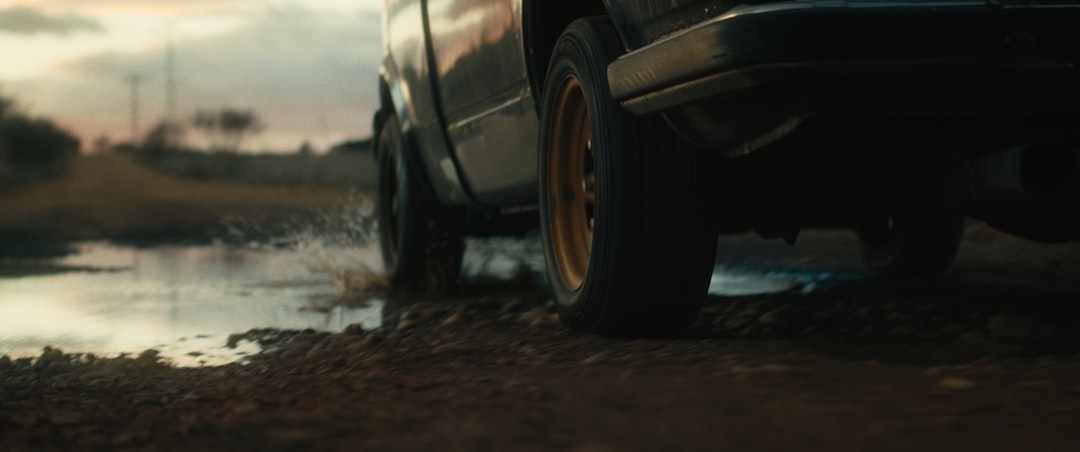
Photo by Jose P. Ortiz on Unsplash