
Tire Balancing vs Alignment: What’s the Difference?
Are tire balancing and alignment the same thing? Not at all. Understanding the distinct roles of each is crucial for optimal vehicle performance, safety, and tire longevity. Discover the differences and when to seek professional help.
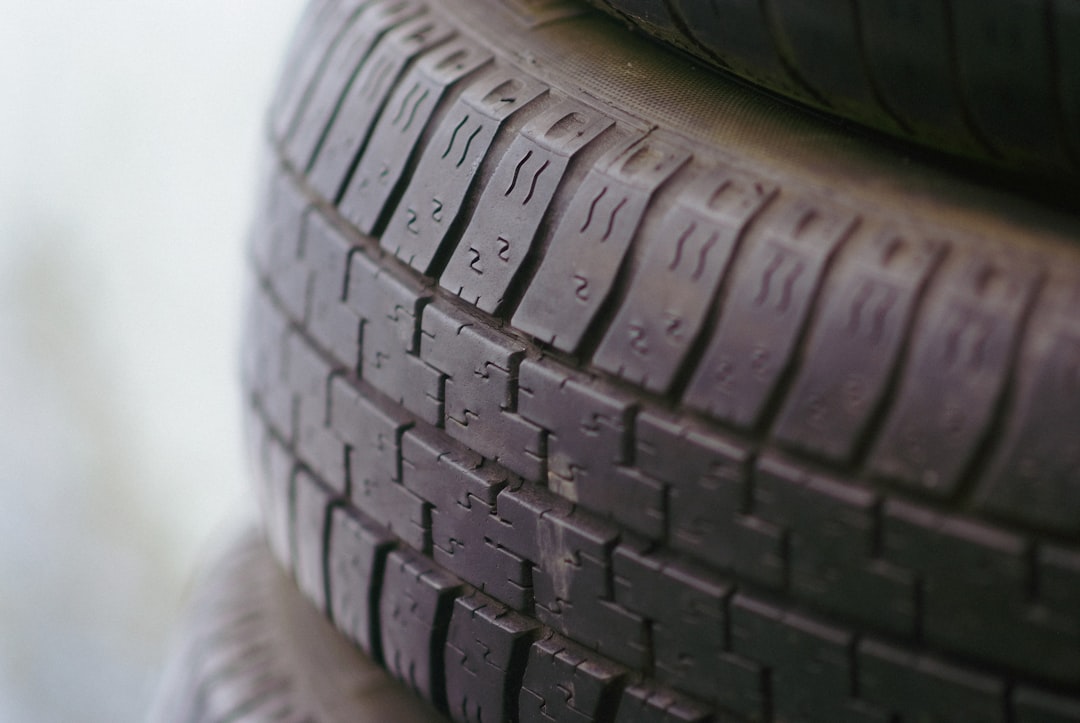
Tire balancing and wheel alignment are often confused, but they address entirely different aspects of your vehicle’s tire and suspension system, each critical for a safe and smooth ride. Tire balancing deals with the even distribution of weight around the tire and wheel assembly, while wheel alignment focuses on the angles at which your tires meet the road.
Understanding Tire Balancing
Tire balancing is the process of ensuring your tires and wheels are uniformly weighted. When a tire is manufactured, there can be slight variations in its weight distribution, and when mounted onto a wheel, these variations can create an imbalance. This imbalance causes a tire to spin unevenly, leading to vibrations that are often felt in the steering wheel or the seat of the car, especially at higher speeds.
During a balancing service, a technician will spin each wheel on a balancing machine. This machine detects the heavy spots on the tire and wheel assembly. Small counterweights are then attached to the wheel’s rim at precise locations to offset the heavier areas, creating a perfectly balanced rotation.
Why is Tire Balancing Important?
- Prevents Vibrations: The most noticeable effect of unbalanced tires is vibration. This can make driving uncomfortable and distract you from the road.
- Reduces Tire Wear: Unbalanced tires can cause specific areas of the tire to wear out faster than others, leading to premature tire replacement. This uneven wear pattern can significantly shorten the lifespan of your tires.
- Improves Fuel Efficiency: Tires that are constantly fighting against imbalances require more energy to roll, potentially impacting your gas mileage.
- Enhances Driving Comfort: A balanced set of tires contributes to a smoother, more enjoyable driving experience.
Signs Your Tires Need Balancing:
Pay attention to these indicators:
- Vibrations in the steering wheel, especially at highway speeds (e.g., on I-5 or SR 167).
- A feeling of shakiness or vibration in your seat.
- Uneven tire wear patterns, such as cupping or feathering.
- A decrease in fuel economy.
When to Balance Your Tires
It’s recommended to have your tires balanced:
- Whenever new tires are installed.
- Whenever tires are rotated.
- Whenever a tire is repaired.
- If you notice any of the signs mentioned above.
According to the Tire Industry Association (TIA), proper tire maintenance, including balancing, is crucial for safety and longevity.
Understanding Wheel Alignment
Wheel alignment, also known as steering alignment, refers to the adjustment of your vehicle’s suspension components to ensure that the wheels are positioned at the correct angles relative to the road surface and to each other. These angles, known as camber, caster, and toe, affect how your vehicle handles, steers, and wears its tires.
Camber: The inward or outward tilt of the tire when viewed from the front of the vehicle. Too much negative camber can cause wear on the inside edges of the tires, while too much positive camber wears the outside edges.
Caster: The angle of the steering axis when viewed from the side. It affects steering stability and effort. Proper caster helps the wheels return to center after a turn and contributes to straight-line stability.
Toe: The angle of the tires when viewed from above. If the front edges of the tires are closer together than the rear edges, it’s ‘toe-in’. If the rear edges are closer, it’s ‘toe-out’. Misaligned toe angles can cause rapid tire wear and make the vehicle wander.
Why is Wheel Alignment Important?
- Ensures Straight Driving: Proper alignment keeps your vehicle steering straight without you having to constantly correct the wheel.
- Maximizes Tire Life: Misaligned wheels cause tires to drag or scrub against the road surface, leading to rapid and uneven wear.
- Improves Handling and Stability: Correct alignment contributes to better cornering, stability, and overall control of the vehicle.
- Increases Fuel Efficiency: Tires that are properly aligned roll more freely, reducing resistance and improving gas mileage.
- Reduces Strain on Suspension: Proper alignment ensures that suspension components are not subjected to unnecessary stress.
Signs Your Vehicle Needs an Alignment:
- The vehicle pulls to one side (e.g., drifting towards the shoulder on a road in Bellevue or Tacoma).
- The steering wheel is off-center when driving straight.
- Uneven or rapid tire wear, such as wear on just the inner or outer edges of the tires.
- Squealing tires even when not turning sharply.
- The steering wheel feels loose or imprecise.
When to Get an Alignment:
It’s advisable to have your wheel alignment checked:
- After hitting a significant pothole or curb, common on Seattle area roads.
- When replacing steering or suspension components.
- If you notice any of the signs of misalignment.
- As part of regular vehicle maintenance, typically recommended by manufacturers every 12,000 to 15,000 miles or annually. The National Highway Traffic Safety Administration (NHTSA) emphasizes the importance of maintaining proper vehicle alignment for safety.
Balancing vs. Alignment: Key Differences Summarized
While both services are vital for tire health and vehicle performance, their focus is distinct:
Tire Balancing:
- Focus: Even weight distribution of the tire and wheel assembly.
- Problem Solved: Vibrations and shaking.
- Correction: Attaching counterweights to the wheel rim.
- Frequency: When new tires are mounted, tires are rotated, or when vibrations are felt.
Wheel Alignment:
- Focus: Correct angles of the wheels relative to the road and each other (camber, caster, toe).
- Problem Solved: Vehicle pulling, steering issues, uneven tire wear.
- Correction: Adjusting suspension components.
- Frequency: After impacts, when replacing suspension parts, or if signs of misalignment appear.
Practical Tips for Tire Care
To get the most out of your tires and ensure a safe driving experience throughout King and Pierce Counties, consider these tips:
- Regular Inspections: Visually inspect your tires regularly for any signs of uneven wear, damage, or embedded objects.
- Maintain Proper Inflation: Always check your tire pressure using a reliable gauge and inflate them to the recommended PSI found on your vehicle’s doorjamb sticker or owner’s manual.
- Don’t Ignore Warning Signs: Address vibrations, pulling, or unusual tire wear promptly. Delaying service can lead to more significant issues and costly repairs.
- Drive Cautiously: Be mindful of road conditions, especially after heavy rain or near construction zones, to avoid potholes and debris that can knock your alignment out of whack.
Frequently Asked Questions
### Do I need balancing or alignment after hitting a pothole?
Hitting a significant pothole or curb can certainly affect your wheel alignment. While it might not always require a balance, it’s a good idea to have your alignment checked if you suspect any issues.
### How often should I get my tires balanced?
It’s best practice to balance your tires every time you get them rotated, or whenever you install new tires. If you start feeling vibrations, that’s also a clear indicator it’s time for a balance.
### Can I drive with unbalanced tires?
You can drive with unbalanced tires, but it’s not recommended for extended periods. It leads to discomfort, premature tire wear, and can put extra strain on your vehicle’s suspension components.
### Is wheel alignment the same as a suspension check?
While related, they are not the same. Wheel alignment adjusts the angles of your wheels. A suspension check inspects the components that connect the car to the wheels, ensuring they are functioning correctly before an alignment is performed.
Keep Your Ride Smooth with TireSquad
Maintaining proper tire balance and wheel alignment is essential for your safety, comfort, and the longevity of your tires and vehicle. Don’t let vibrations or pulling disrupt your drive through the Puget Sound region.
When you suspect your tires need balancing or alignment, or for any other tire service needs, TireSquad is here to help. We offer convenient mobile tire services right at your home or office in Seattle, Bellevue, Tacoma, and surrounding areas. Book your appointment today at tiresquad.fieldd.co or call us at (206) 650-1302 for prompt and professional service.
Photo by Jaye Haych on Unsplash