
Tire Speed Ratings & Load Index: Know Your Limits
Navigating tire specifications can be confusing, but understanding tire speed ratings and load index is crucial for safety and optimal vehicle performance. These seemingly small numbers dictate how fast your tires can safely go and how much weight they can carry. Let's break down what they mean and why they matter for your drive.
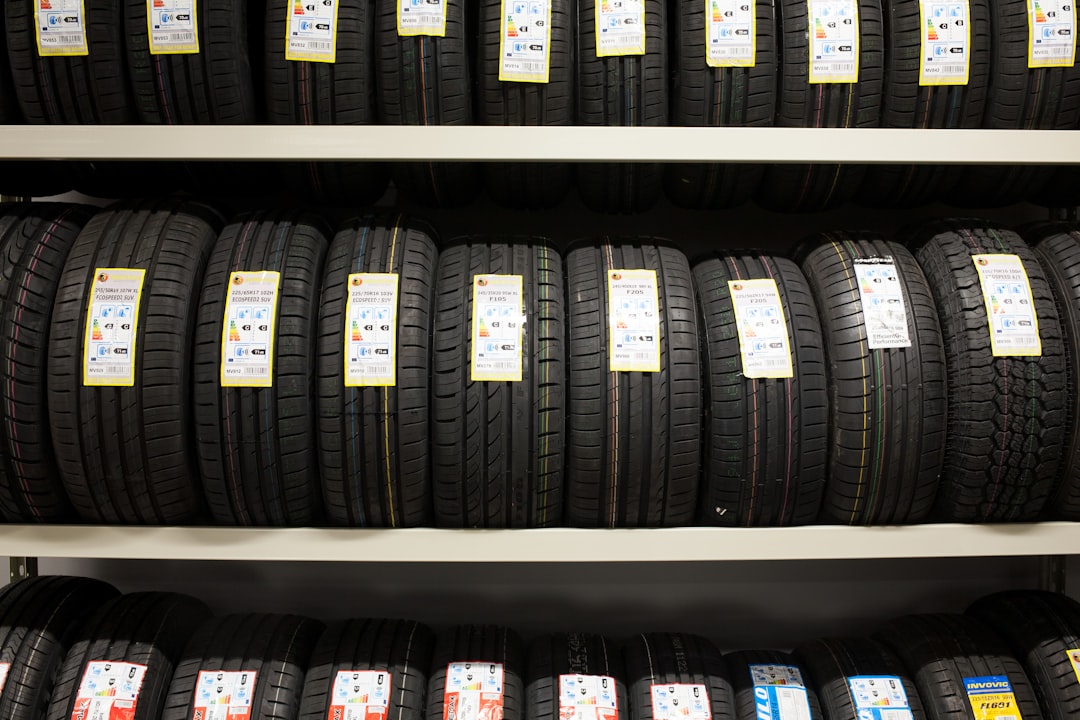
Understanding Tire Speed Ratings and Load Index: Your Guide to Safe Driving
Tire speed ratings and load indexes are critical safety features that tell you the maximum speed a tire can sustain under its specified load capacity. They are not mere suggestions; they are engineering specifications designed to ensure your tires perform safely and reliably for your specific vehicle. Ignoring these ratings can compromise your vehicle’s handling, braking, and overall safety, especially during demanding driving conditions common on our Seattle-area freeways or winding roads around Tacoma.
The Tire Industry Association (TIA) emphasizes that selecting the correct tire size, load index, and speed rating for your vehicle is paramount. As they state, “The owner’s manual is the primary source of information for tire size, inflation pressure, load capacity and speed rating.” The Tire Industry Association provides extensive resources on proper tire care and selection, highlighting the importance of adhering to manufacturer recommendations.
What is a Tire Load Index?
The load index is a numerical code representing the maximum weight that a tire can support when inflated to its recommended pressure. Each number corresponds to a specific weight capacity, with higher numbers indicating a greater load-carrying capability. You’ll typically find the load index on the tire’s sidewall, usually next to the tire size designation.
For example, a load index of 91 means the tire can support 1,356 pounds. A load index of 100 can support 1,764 pounds. It is crucial to ensure that the load index of your replacement tires meets or exceeds the original equipment (OE) specification for your vehicle. Never install tires with a load index lower than what your vehicle manufacturer recommends. The National Highway Traffic Safety Administration (NHTSA) strongly advises matching load capacity, stating, “Tires must be rated to carry the load for your vehicle.” You can find more about tire safety guidelines on the NHTSA website.
How to Find Your Vehicle’s Load Index Requirement
Your vehicle’s owner’s manual is the definitive source for this information. You can also often find a sticker on the driver’s side doorjamb, inside the fuel filler door, or on the glove compartment door that lists the recommended tire size, inflation pressure, and load index.
Why Load Index Matters
Underinflated tires or tires with an insufficient load index can overheat, leading to potential tire failure or blowouts. This is particularly concerning on longer drives or when carrying heavy loads, such as during a move across King County or a camping trip in the Cascades. Proper load capacity ensures the tire can handle the weight of your vehicle and its occupants or cargo safely.
Decoding Tire Speed Ratings
The speed rating, also known as a speed capability or service description, indicates the maximum speed at which a tire can safely carry a load within its specified limits. These ratings are represented by letters, typically from A to Z, with each letter corresponding to a specific maximum speed. The higher the letter in the alphabet, the higher the speed capability.
For passenger cars, you’ll commonly see speed ratings like S, T, H, V, W, and Y. For instance:
- S: 112 mph (180 km/h)
- T: 118 mph (190 km/h)
- H: 130 mph (210 km/h)
- V: 149 mph (240 km/h)
- W: 168 mph (270 km/h)
- Y: 186 mph (300 km/h)
High-performance vehicles often have tires with higher speed ratings, while standard passenger cars typically have lower to moderate ratings. It’s crucial to remember that the speed rating is only valid when the tire is properly inflated and not overloaded.
Where to Find the Speed Rating
The speed rating is usually found on the tire’s sidewall, as part of the tire size designation. It’s typically the last letter in the sequence. For example, in the tire size P215/65R15 96H, the ‘H’ is the speed rating.
Matching Speed Ratings
Vehicle manufacturers specify a minimum speed rating for your vehicle’s original equipment tires. While you can install tires with a speed rating higher than the OE specification, you should never install tires with a speed rating lower than what is recommended. Doing so can compromise the vehicle’s handling characteristics, especially at higher speeds, and could lead to unsafe driving conditions on highways like I-5 or SR 16.
If you are replacing tires on your vehicle, it is recommended to use tires with the same speed rating as the original equipment. If you choose to use a tire with a higher speed rating, be aware that the tire’s construction may result in a firmer ride. Conversely, using a tire with a lower speed rating than specified by the manufacturer can negatively impact your vehicle’s stability and braking performance.
The Relationship Between Load Index and Speed Rating
The load index and speed rating are intrinsically linked. A tire’s ability to carry a certain load is dependent on the speed at which it is operated. A tire might be rated for a higher load at a lower speed, but its load-carrying capacity decreases as the speed increases. The ratings you see on the sidewall are for optimal conditions; exceeding either the load or the speed limit can lead to dangerous situations.
Understanding the Service Description
Often, you’ll see a two-part designation on the tire sidewall, like 96H. The ’96’ is the load index, and the ‘H’ is the speed rating. This means the tire can carry a maximum load corresponding to index 96 at the maximum speed corresponding to ‘H’.
Why These Ratings Are Crucial for Washington Drivers
In the diverse driving conditions of King and Pierce Counties, understanding these ratings is essential. Whether you’re navigating rush hour traffic in Seattle, taking a scenic route towards Mount Rainier, or commuting on the busy I-405 corridor, your tires are your only contact with the road. Ensuring they are rated appropriately for your vehicle’s weight and expected driving speeds is a fundamental aspect of safety.
For instance, consistently driving at or near the maximum speed rating for your tires can cause them to overheat, especially during warmer months. This overheating can accelerate wear and, in extreme cases, lead to tire failure. Similarly, exceeding the load index by carrying excessive weight can strain the tire’s structure, compromising its integrity and increasing the risk of a blowout.
Practical Tips for Choosing the Right Tires
- Consult Your Owner’s Manual: Always check your vehicle’s owner’s manual for the exact load index and speed rating specifications.
- Check Tire Sidewalls: Inspect your current tires for the size, load index, and speed rating.
- Match or Exceed: When replacing tires, ensure the new ones meet or exceed the original load index and speed rating. Never go lower.
- Consider Your Driving Habits: If you frequently drive at higher speeds or carry heavy loads, consider tires with higher load and speed ratings, provided they are compatible with your vehicle.
- Don’t Mix Ratings: Avoid mixing tires with different speed ratings on the same axle. It’s best practice to have the same speed rating on all four tires.
When to Seek Professional Advice
Choosing the right tires can be complex, and understanding all the specifications ensures you’re making a safe and informed decision. If you’re unsure about your vehicle’s requirements or the implications of different tire ratings, it’s always best to consult with tire professionals.
Common Questions About Tire Ratings
### Can I put tires with a higher speed rating on my car?
Yes, you can install tires with a speed rating higher than your vehicle’s original equipment recommendation. However, be aware that tires with higher speed ratings often have a firmer ride.
### What happens if I use tires with a lower speed rating?
Using tires with a speed rating lower than what your vehicle manufacturer recommends can compromise your vehicle’s handling, stability, and braking capabilities, making it unsafe to drive, especially at higher speeds.
### Does load index affect tire pressure?
The load index specifies the maximum weight a tire can carry at its recommended inflation pressure. It does not directly affect the recommended tire pressure, which is determined by the vehicle manufacturer.
### Where can I find a reliable mobile tire service in the Seattle or Tacoma area?
For convenient and professional mobile tire services across King County and Pierce County, including Seattle, Bellevue, and Tacoma, contact TireSquad. Our expert technicians can help you select and install the right tires for your vehicle.
Ensuring your tires have the correct load index and speed rating is not just about compliance; it’s about your safety and the longevity of your vehicle. When it’s time for new tires or if you have any questions about specifications, TireSquad is here to help. We offer convenient mobile tire services right at your home or workplace in Seattle, Bellevue, Tacoma, and surrounding areas. Book your appointment today by visiting TireSquad.fieldd.co or calling us at (206) 650-1302.
Photo by Brett Jordan on Unsplash