Pacific Northwest Rain: Tire Prep for WA Drivers
As the Pacific Northwest rain season approaches, ensuring your tires are ready is paramount for safety and optimal vehicle performance. Learn how to prepare your tires for the wet roads of King and Pierce Counties.
Mastering the Wet Season: Essential Tire Preparation for Washington State Drivers
Preparing your tires for the Pacific Northwest rain season is crucial for maintaining vehicle control and safety on slick roads, especially throughout King County and Pierce County. The transition from drier months to the persistent drizzle and downpours characteristic of our region requires a proactive approach to tire maintenance.
Understanding Tire Performance in Wet Conditions
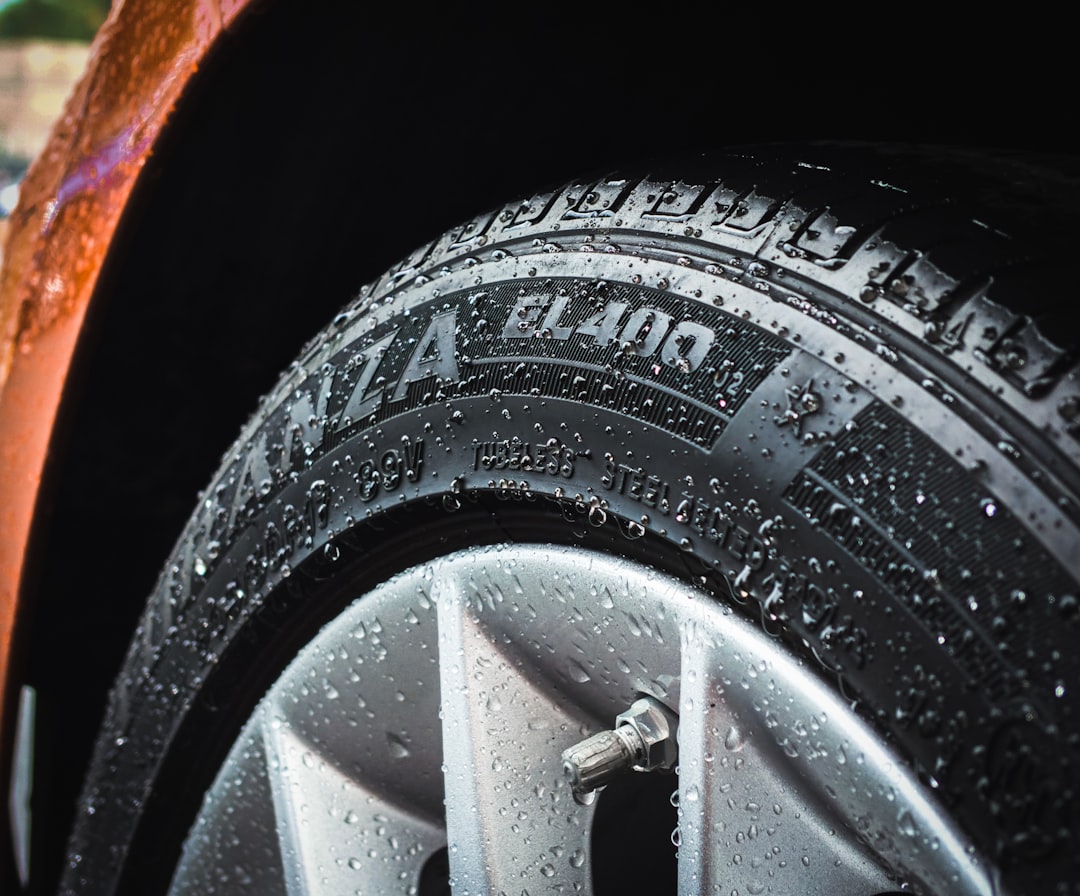
Tires are the only contact point between your vehicle and the road. In wet conditions, the tread pattern and rubber compound work together to evacuate water, preventing hydroplaning and maintaining grip. As the Washington State Department of Transportation (WSDOT) often reminds us, wet roads significantly increase stopping distances. This is why having tires with adequate tread depth and proper inflation is not just a recommendation; it’s a safety imperative.
The Science of Wet Traction
Effective wet traction relies on two primary factors: tread depth and tread design. Tread grooves channel water away from the tire’s contact patch. If the grooves are worn down, water can get trapped, leading to hydroplaning. Furthermore, the rubber compound of a tire is formulated to provide grip on various surfaces and temperatures. All-season tires are designed for a balance of performance across different conditions, but their effectiveness diminishes as tread wears down.
Common Pitfalls to Avoid
Many drivers in the Seattle, Bellevue, and Tacoma areas make the mistake of assuming their tires are fine as long as they hold air. However, several factors degrade tire performance in the wet:
- Worn Tread: The most significant factor. Tires with less than 4/32nds of an inch of tread depth have significantly reduced hydroplaning resistance.
- Improper Inflation: Underinflated tires can cause uneven wear and affect water displacement. Overinflated tires reduce the contact patch and can lead to a harsher ride.
- Uneven Wear: Caused by misalignment, unbalanced wheels, or suspension issues, uneven wear creates inconsistent contact with the road, compromising grip.
- Age and Dry Rot: Even with good tread, old tires can develop cracks (dry rot) due to exposure to elements, compromising their structural integrity and grip.
Key Tire Preparations for the PNW Rain
To ensure your vehicle is prepared for the challenges of the Pacific Northwest rain season, focus on these critical areas:
1. Tread Depth Check: Your First Line of Defense
The single most important factor for wet weather driving is sufficient tread depth. The National Highway Traffic Safety Administration (NHTSA) recommends a minimum tread depth of 2/32nds of an inch for legal roadworthiness, but for optimal wet traction, aim for at least 4/32nds. A simple way to check this is using a tread depth gauge, or the common “penny test.” Insert a penny into a tread groove with Lincoln’s head facing you. If you can see the top of Lincoln’s head, your tread is likely below 4/32nds and needs attention.
2. Tire Pressure: The Foundation of Performance
Proper tire inflation is vital for consistent tire performance, especially in varying weather. Check your tire pressure when the tires are cold (before driving). The recommended pressure can be found on the sticker inside your driver’s side doorjamb or in your vehicle’s owner’s manual. Over- or under-inflation can negatively impact handling, braking, and the tire’s ability to channel water effectively. Many modern vehicles also feature Tire Pressure Monitoring Systems (TPMS), but these are diagnostic tools, not replacements for regular manual checks.
3. Wheel Alignment and Balancing: Ensuring Smooth Sailing
Misaligned wheels can cause tires to wear unevenly and drag on the road, reducing fuel efficiency and compromising handling. Balancing ensures that the weight of the tire and wheel assembly is distributed evenly, preventing vibrations and ensuring a smooth ride. For drivers navigating the often-congested routes around Seattle, Bellevue, and Tacoma, maintaining proper alignment and balance is key to a comfortable and safe journey.
4. Tire Condition: Beyond the Tread
Inspect your tires for any signs of damage. Look for cuts, bulges, cracks, or embedded objects. Sidewall damage, in particular, can be a serious safety concern. Even if the tread looks good, aging tires can become brittle and less effective. The general guideline from organizations like the Tire Industry Association (TIA) is to consider replacing tires that are six years old or older, regardless of tread wear.
5. Choosing the Right Tires for PNW Rain
While all-season tires are common, consider tires specifically designed for wet performance if you frequently drive in heavy rain. Some tires feature directional tread patterns optimized for water evacuation. If your driving habits or vehicle demand it, specialized winter tires can also offer superior grip in cold, wet conditions, though they may wear faster in warmer months.
Seasonal Tire Services for King and Pierce County Drivers
As the rainy season approaches, it’s the perfect time to schedule essential tire services. These can include:
- Tire Rotation: Ensures even tread wear, extending tire life and maintaining consistent performance.
- Tire Balancing: Prevents vibrations and uneven wear.
- Wheel Alignment: Corrects steering issues and prevents premature tire wear.
- Flat Tire Repair: Addresses punctures promptly to prevent further damage and maintain safety.
Frequently Asked Questions About Rain Season Tire Prep
### How often should I check my tire pressure during the rainy season?
You should check your tire pressure at least once a month, and more frequently during significant temperature fluctuations, which can impact pressure.
### Can worn tires cause hydroplaning?
Yes, worn tires with insufficient tread depth are a primary cause of hydroplaning because they cannot effectively channel water away from the road surface.
### Is it worth getting all-weather tires for the Pacific Northwest?
For many drivers in Washington State, all-weather tires offer a good balance of performance across seasons, including the wet season, but always ensure they have adequate tread depth.
### How can I tell if my tires are too old for the rain?
Look for visible cracks or signs of dry rot on the sidewalls and tread. The Tire Industry Association (TIA) suggests replacing tires that are six years old or more, regardless of tread condition.
Don’t Let Wet Roads Catch You Off Guard
The Pacific Northwest rain season demands attention to your vehicle’s tires. Proactive checks and timely maintenance are your best defense against slippery conditions. Don’t wait for a flat tire or a loss of traction to address your tire needs. Ensure your tires are in optimal condition for safety and peace of mind as you drive through Seattle, Tacoma, Bellevue, and the surrounding areas.
Ready to get your tires rain-ready? TireSquad offers convenient mobile tire service across King County and Pierce County. We come to you for tire replacement, rotation, balancing, and more. Book your appointment today at tiresquad.fieldd.co or call us at (206) 650-1302.