DOT Tire Compliance: Commercial Vehicle Safety
Navigating DOT tire compliance is crucial for commercial vehicle operators in Washington state. This guide breaks down the essential requirements to keep your fleet safe, legal, and on the road, from tread depth to proper inflation.
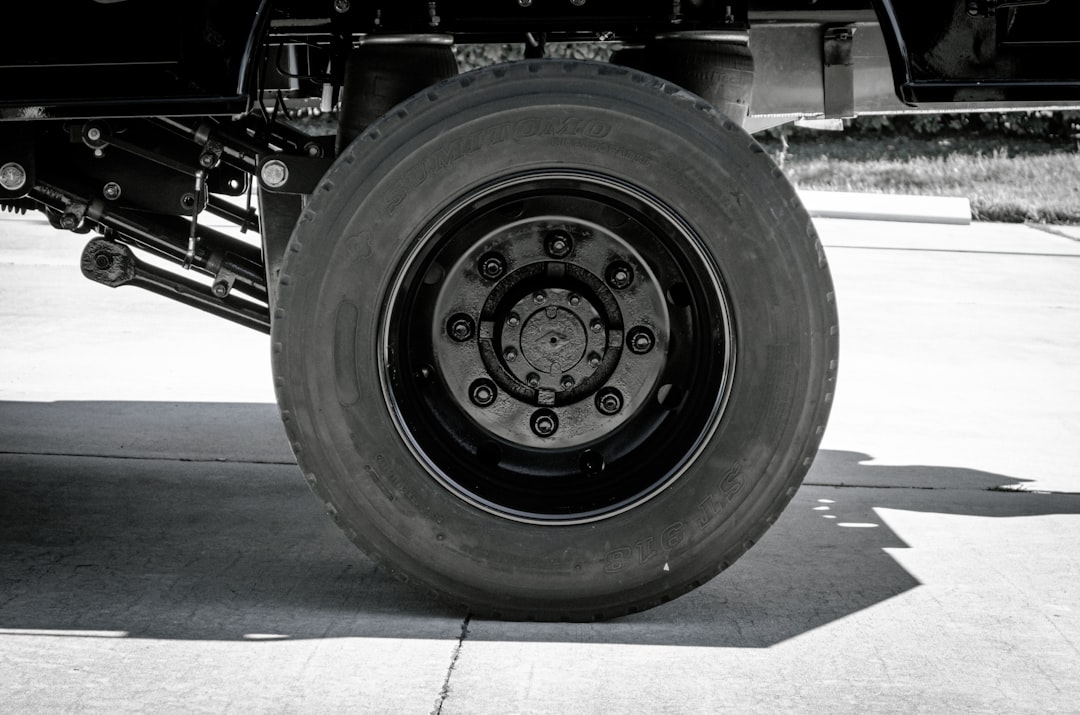
DOT tire compliance is mandatory for all commercial motor vehicles (CMVs) operating on public roadways, ensuring a baseline level of safety and preventing tire failures that can lead to accidents. In essence, it means your tires must meet specific federal standards set forth by the U.S. Department of Transportation (DOT) and be maintained in a condition that does not pose an unreasonable risk to the safe operation of the vehicle.
What Constitutes DOT Compliance for Commercial Tires?
DOT compliance for commercial vehicle tires involves several key areas, all aimed at ensuring tire integrity and roadworthiness. These include:
Tread Depth Requirements
Adequate tread depth is paramount for traction, especially in varied Washington weather conditions, from the rain-slicked streets of Seattle to the sometimes snow-dusted highways around Tacoma. According to the Federal Motor Carrier Safety Administration (FMCSA), tires must have at least 4/32 of an inch tread in the grooves of the front wheels and at least 2/32 of an inch tread in the grooves of all other wheels. Regular inspection of tread depth using a tread depth gauge is a simple yet critical practice for fleet managers.
Tire Condition and Integrity
Beyond tread depth, the overall condition of the tire is vital. This includes checking for:
- Cuts, snags, or punctures that penetrate the tire body.
- Bulges, blisters, or separations in the sidewall or tread area.
- Cracks or ozone damage, particularly on sidewalls.
- Exposed or damaged cords.
- Any signs of improper repairs.
The Tire Industry Association (TIA) provides extensive training and resources on proper tire inspection and repair, emphasizing that only qualified technicians should perform tire repairs. Unsafe tires, regardless of tread depth, can be grounds for citation.
Proper Inflation Pressure
Maintaining the correct tire inflation pressure is critical for safety, fuel efficiency, and tire longevity. Underinflated tires can overheat, leading to blowouts, while overinflated tires reduce traction and increase the risk of damage from road hazards. The recommended inflation pressure for your specific vehicle and tire load can be found on the tire’s sidewall or in the vehicle manufacturer’s manual. For fleets operating in the diverse climates of King and Pierce Counties, consistently monitoring and adjusting pressure is key, as temperature fluctuations can affect it.
Load and Speed Ratings
Every commercial tire is designed to carry a specific maximum load at a certain speed. Exceeding these ratings places undue stress on the tire, increasing the risk of failure. It’s essential to ensure that the tires installed on your commercial vehicles meet or exceed the load and speed requirements specified by the vehicle manufacturer for its intended use.
Dual Tire Spacing
For vehicles equipped with dual tires on the same axle, proper spacing is crucial. Tires must not rub against each other. This not only prevents premature tire wear but also avoids heat buildup that can compromise tire integrity.
Why DOT Compliance Matters for Your Fleet
Adhering to DOT tire compliance is not just about avoiding fines; it’s fundamental to operational success and safety. Here’s why:
Enhanced Safety
The primary goal of DOT regulations is to enhance road safety. Properly maintained tires with adequate tread, correct inflation, and no structural damage significantly reduce the likelihood of tire blowouts and improve braking and handling, especially in adverse conditions common in the Pacific Northwest.
Legal Adherence and Reduced Risk of Fines
Enforcement of DOT regulations, including tire standards, can occur during roadside inspections. Violations can result in significant fines, vehicle impoundment, and costly delays. For businesses operating commercial vehicles in the Seattle and Tacoma metropolitan areas, maintaining compliance ensures smooth operations and avoids disruptions.
Improved Fuel Efficiency
Properly inflated tires with adequate tread roll more efficiently, reducing rolling resistance. This translates directly into better fuel economy for your fleet, contributing to lower operating costs. This benefit is especially noticeable for companies with a large number of vehicles covering many miles across Washington.
Extended Tire Life
Regular inspections, proper inflation, and adherence to load limits help prevent premature and uneven tire wear. This maximizes the lifespan of your tires, reducing replacement frequency and overall tire expenditure.
Operational Reliability
Tire-related breakdowns are a major cause of commercial vehicle downtime. Proactive maintenance and compliance with DOT standards minimize the risk of such failures, ensuring your vehicles are available when and where you need them.
Practical Tips for Maintaining DOT Tire Compliance
Implementing a robust tire maintenance program is essential for any commercial fleet. Here are actionable steps:
- Establish a Regular Inspection Schedule: Conduct pre-trip and post-trip inspections focusing on tread depth, tire condition, and inflation pressure. Integrate more thorough inspections during scheduled maintenance.
- Invest in Quality Tire Gauges: Ensure you have reliable, calibrated tire pressure gauges readily available for immediate use.
- Train Your Drivers: Educate your drivers on the importance of tire safety and empower them to identify and report potential issues during their daily checks. They are your first line of defense on the road from Olympia to Everett.
- Utilize Tire Maintenance Software: Consider using fleet management software to track tire condition, pressure, rotation schedules, and replacement history for each vehicle.
- Partner with a Reliable Service Provider: Work with experienced tire professionals who understand commercial tire maintenance and DOT requirements.
- Address Issues Promptly: Never ignore tire damage or underinflation. Address any identified issues immediately to prevent further damage or potential failure.
Frequently Asked Questions About DOT Tire Compliance
What are the most common DOT tire violations?
Common violations include insufficient tread depth, exposed or damaged cords, improper tire repairs, and incorrect tire sizes or load ratings for the vehicle.
Can I use retreaded tires on my commercial vehicle?
Yes, retreaded tires are permissible for commercial use provided they meet specific DOT standards and are professionally retreaded by a certified facility.
How often should I check my commercial tires?
Drivers should conduct visual inspections daily before operation, and more thorough checks including tread depth and pressure should be part of regular maintenance schedules, ideally weekly or bi-weekly depending on usage.
What is the difference between DOT tire regulations and manufacturer recommendations?
DOT regulations set the minimum legal safety standards, while manufacturer recommendations often go beyond these minimums to ensure optimal performance and longevity for their specific tire models and vehicle applications.
Keep Your Fleet Rolling Safely with TireSquad
Maintaining DOT compliance for your commercial vehicle tires is a continuous effort that pays dividends in safety, legality, and cost savings. Don’t let tire issues sideline your operations. For reliable, expert mobile tire service across King and Pierce Counties, including Seattle, Bellevue, and Tacoma, TireSquad is your trusted partner. We offer comprehensive fleet tire solutions, from inspections and repairs to timely replacements, all performed at your location to minimize downtime. Schedule your fleet’s tire service today by visiting tiresquad.fieldd.co or calling us at (206) 650-1302.