
Recycle Your Tires: Greener Miles for Washington
Old tires pose significant environmental challenges, but effective recycling offers a sustainable solution. Learn why proper tire disposal matters and how it benefits our communities in King and Pierce Counties.
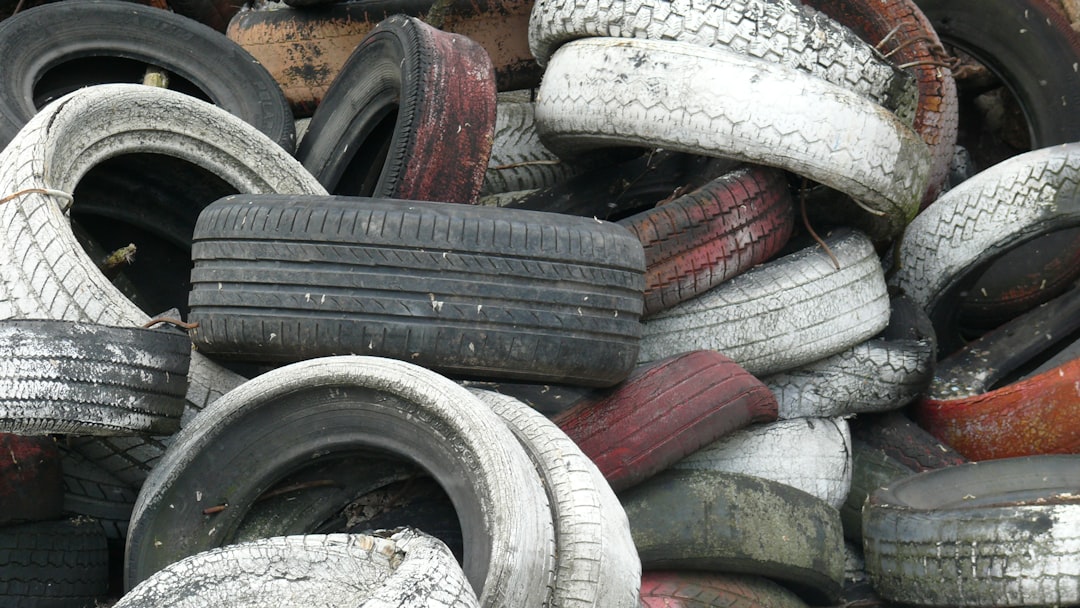
Recycling old tires is essential for minimizing their environmental footprint and preventing pollution.
Every year, millions of tires reach the end of their usable life. Without proper disposal and recycling, these discarded tires can accumulate in landfills, become fire hazards, and contribute to breeding grounds for pests. Fortunately, innovative recycling processes transform these seemingly useless items into valuable resources, offering a sustainable path forward for the automotive industry and our environment here in the Pacific Northwest.
The Environmental Burden of Old Tires
Discarded tires present a multifaceted environmental challenge. When tires are simply thrown away, they occupy vast amounts of space in landfills. Because they are made of durable rubber and reinforced with steel and synthetic fibers, they do not biodegrade easily, persisting for hundreds of years.
Beyond landfill space, old tires pose significant fire risks. Tire fires are notoriously difficult to extinguish, releasing toxic smoke containing harmful pollutants like carbon monoxide, sulfur dioxide, and particulate matter into the atmosphere. These emissions can have severe impacts on air quality and human health. Furthermore, accumulated tires can trap water, creating ideal breeding conditions for mosquitoes and other disease-carrying insects, which is a particular concern during warmer months in areas like Seattle and Tacoma.
The U.S. Environmental Protection Agency (EPA) estimates that over 280 million scrap tires are generated annually in the United States. These tires represent not only a waste disposal issue but also a lost opportunity to recover valuable materials.
Transforming Tires: The Recycling Process
Tire recycling involves several methods to break down old tires and repurpose their components. The most common methods include:
- Mechanical Shredding: This is the most prevalent method. Tires are passed through a series of shredders and granulators to break them down into smaller pieces. This process can yield tire-derived aggregate (TDA), chips, or crumb rubber of varying sizes. Steel and fiber components are typically separated during this stage.
- Cryogenic Grinding: Tires are frozen using liquid nitrogen, making the rubber brittle. They are then shattered into fine particles. This method produces very fine rubber particles suitable for specialized applications.
- Pyrolysis: This high-temperature process, conducted in the absence of oxygen, breaks down the tire material into oil, gas, and a carbon char. These products can be used as fuel or raw materials for other industries.
The output from these processes—primarily crumb rubber and TDA—is then used in a wide array of new products, diverting waste from landfills and creating a circular economy for tire materials.
Beneficial Uses of Recycled Tire Materials
The materials recovered from tire recycling are surprisingly versatile and find application in numerous industries, contributing to sustainability and resource conservation.
Crumb Rubber Applications
Crumb rubber, which is finely ground recycled tire rubber, is a highly sought-after material. Its unique properties make it ideal for:
- Athletic Surfaces: Crumb rubber is a key component in artificial turf for sports fields, providing cushioning and shock absorption. It’s also used in running tracks and playground surfaces, offering a safer alternative to traditional materials. Many local parks and school fields in King County and Pierce County utilize these surfaces.
- Asphalt Modification: Adding crumb rubber to asphalt creates a more durable, quieter, and longer-lasting road surface. This “rubberized asphalt” is increasingly being adopted for road construction and repair projects.
- New Rubber Products: Crumb rubber can be molded into new rubber goods such as floor mats, speed bumps, shoe soles, and even automotive parts.
Tire-Derived Aggregate (TDA) Uses
Larger shredded tire pieces, known as TDA, also offer valuable applications:
- Construction and Civil Engineering: TDA is used as a lightweight fill material in civil engineering projects, such as retaining walls, bridge abutments, and landfill drainage layers. Its energy-absorbing properties are also beneficial in seismic zones.
- Erosion Control: TDA can be used in landscaping and civil projects to help control soil erosion.
- Blast Mats: Its shock-absorbing qualities make it suitable for use as blast mats in construction and mining operations.
Environmental Benefits of Tire Recycling
The advantages of recycling tires extend far beyond simply reducing landfill waste. They contribute significantly to environmental protection and resource management.
- Reduced Landfill Burden: By diverting millions of tires from landfills annually, recycling frees up valuable space and prevents the environmental hazards associated with tire accumulation.
- Conservation of Natural Resources: Recycling tires allows us to reuse rubber, steel, and fibers that would otherwise be extracted from virgin resources. This reduces the demand for raw materials, saving energy and minimizing the environmental impact of extraction and manufacturing processes.
- Lower Greenhouse Gas Emissions: Manufacturing products from recycled tire materials generally requires less energy than producing them from virgin materials. This translates to lower greenhouse gas emissions, helping to combat climate change. According to the EPA’s Waste Tire Program, using recycled tires in applications like asphalt can offer significant environmental benefits.
- Reduced Pollution: Proper recycling prevents tires from becoming environmental hazards like fire risks or pest breeding grounds, thereby reducing air, soil, and water pollution.
Local Initiatives and Regulations in Washington
Washington state recognizes the importance of responsible tire management. While there isn’t a statewide mandatory tire recycling fee like in some other states, many counties and municipalities encourage or facilitate tire recycling programs. Local tire retailers and automotive service centers, including those in the Seattle and Tacoma metropolitan areas, often partner with recycling facilities to ensure old tires are handled correctly.
The Washington State Department of Ecology provides resources and information on waste management, including tires. Understanding local disposal options is key. For instance, when you get new tires installed, the installer is typically responsible for the proper disposal of your old tires, often incorporating a disposal fee into the overall cost.
Practical Tips for Responsible Tire Disposal
As a vehicle owner in King County or Pierce County, you play a crucial role in ensuring your old tires are recycled responsibly. Here are some practical tips:
- When Buying New Tires: The most straightforward method is to let your tire provider handle the disposal. When you purchase new tires, ask about their tire recycling policy and any associated fees. Most reputable tire shops, including mobile services, will manage the recycling of your old tires.
- Avoid Illegal Dumping: Never dump old tires on roadsides, in vacant lots, or in waterways. This is illegal, environmentally damaging, and can result in hefty fines.
- Inquire About Local Drop-off Centers: Some municipalities or waste management facilities may offer specific drop-off days or locations for scrap tires. Check your local city or county waste management website for information.
- Support Businesses with Recycling Programs: Choose automotive service providers and tire retailers that demonstrate a commitment to environmental responsibility through robust tire recycling programs.
The Tire Industry Association (TIA) emphasizes the importance of proper tire disposal and recycling as a critical component of tire safety and environmental stewardship. They advocate for responsible end-of-life tire management across the industry.
Frequently Asked Questions About Tire Recycling
### What happens to tires that are not recycled?
Unrecycled tires often end up in landfills, where they take up significant space and persist for centuries, or they can become environmental hazards if improperly dumped, leading to fires and pest infestations.
### Can I reuse old tires on my property?
While some creative uses exist, like garden planters, reusing tires extensively on private property is generally discouraged due to potential environmental concerns and the risk of them becoming breeding grounds for pests; responsible recycling is the preferred method.
### How much does it cost to recycle a tire?
The cost of tire recycling is usually incorporated into the price of new tires or charged as a disposal fee by service centers; direct recycling costs for consumers vary by location and service provider.
### Are there any government incentives for tire recycling?
While direct consumer incentives are rare, many states and local governments have regulations or programs that encourage or mandate recycling, often through fees on new tire sales that fund recycling infrastructure.
By understanding the impact of tire waste and embracing recycling, we can all contribute to a healthier planet and more sustainable communities. When it’s time for new tires, ensure your old ones are handled responsibly.
Ready for new tires without the hassle? TireSquad offers convenient mobile tire replacement service across King County and Pierce County. We bring new tires, expertly installed, right to your doorstep. Book your appointment today at tiresquad.fieldd.co or call us at (206) 650-1302. Drive greener with TireSquad!