
Tire Tread Depth: Your Safety on Seattle Roads
Don't let worn tires compromise your safety, especially on the dynamic roads of Seattle and Tacoma. Learn the simple methods to check your tire tread depth and understand why it's crucial for optimal grip and performance.
Tire Tread Depth: Your Safety on Seattle Roads
Driving in the Pacific Northwest, whether navigating the bustling streets of Seattle, the suburban sprawl of Bellevue, or the industrial heart of Tacoma, demands reliable traction. Your tires are the only point of contact between your vehicle and the road, and their condition is paramount to your safety. One of the most critical, yet often overlooked, aspects of tire health is tread depth. Worn-out tires can drastically reduce your car’s ability to grip the road, increasing stopping distances and the risk of hydroplaning, particularly on the notoriously damp routes of King County and Pierce County. Fortunately, checking your tire tread depth is a straightforward process that anyone can do. This guide will walk you through the simple methods to ensure your tires are safe and performing optimally.
Why Tire Tread Depth Matters
Tire tread isn’t just for aesthetics; it’s engineered with deep grooves and sipes that serve vital functions. These channels are designed to evacuate water, slush, and debris from beneath the tire. This evacuation is crucial for maintaining a stable connection with the road surface, especially during inclement weather common in areas like Redmond and Renton. When your tread wears down, these grooves become shallower, diminishing the tire’s ability to channel away water. This leads to:
- Reduced Traction: Less tread means less rubber in contact with the road, significantly reducing grip, especially during acceleration, braking, and cornering.
- Increased Stopping Distances: Worn tires require a longer distance to come to a complete stop, a dangerous factor in unpredictable traffic or emergency situations.
- Higher Risk of Hydroplaning: The ability of your tires to cut through water is severely compromised with shallow tread, making hydroplaning a much greater risk on wet Seattle-area highways.
- Decreased Handling: Steering response and overall vehicle stability can be negatively impacted by insufficient tread depth.
Understanding Legal and Recommended Tread Depths
In many jurisdictions, including Washington State, there are legal minimums for tire tread depth. While the legal limit might seem low, it’s generally considered a point where tire performance is significantly degraded. The standard legal minimum tread depth is typically 2/32 of an inch (approximately 1.6 mm). However, for optimal safety, especially considering the varied weather conditions we experience from Kirkland to Lakewood, it’s highly recommended to consider replacing tires before they reach this minimum.
Many automotive experts and tire manufacturers suggest replacing tires when the tread reaches 4/32 of an inch (approximately 3.2 mm), particularly for tires used in areas prone to rain or snow. This provides a much better safety margin and ensures your tires can still effectively handle challenging driving conditions.
Simple Methods to Check Your Tire Tread Depth
You don’t need specialized equipment to check your tire tread. Here are a few easy methods:
1. The Penny Test
This is perhaps the most popular DIY method. It’s simple, requires no special tools, and gives you a good indication of your tread depth. Here’s how to do it:
- Grab a standard US penny.
- Locate the tread grooves on your tire.
- Insert the penny into a tread groove with Lincoln’s head facing upside down (towards the tire).
- If you can see the top of Lincoln’s head: Your tread depth is likely below 2/32 of an inch, and your tires may need immediate replacement. This is a critical safety concern, especially on wet roads around Puyallup.
- If Lincoln’s head is partially visible: Your tread is getting low, likely around 2/32 of an inch. It’s time to start planning for new tires soon.
- If Lincoln’s head is completely covered: Your tread depth is likely above 2/32 of an inch, and your tires are generally considered safe for now.
Repeat this test in several spots across the tire (inner, outer, and center) and on all four tires, as wear can be uneven.
2. The Quarter Test
Similar to the penny test, the quarter test offers a slightly more conservative measurement. Use a US quarter:
- Insert a quarter into a tread groove with George Washington’s head upside down.
- If you can see the top of Washington’s head: Your tread depth is likely below 4/32 of an inch. This is the point where many recommend replacement for optimal safety, particularly for Puget Sound’s variable weather.
- If Washington’s head is completely covered: Your tread depth is likely above 4/32 of an inch.
The quarter test is a great way to proactively assess your tire wear and plan replacements before hitting the legal minimum.
3. Using Tread Wear Indicators (TWIs)
Most tires have built-in tread wear indicators. These are small raised bars located in the grooves between the tread blocks. They are usually marked with abbreviations like ‘TWI’ or a small symbol.
- Visually inspect the main grooves of your tire.
- Look for these raised bars.
- If the tread is worn down so that it’s level with these indicator bars, your tire has reached the 2/32-inch legal limit and needs to be replaced immediately.
TWIs are a reliable visual cue, but checking them can sometimes be tricky depending on tire angle and lighting.
4. Using a Tread Depth Gauge
For the most accurate measurement, a dedicated tread depth gauge is the best tool. These are inexpensive and can be purchased at auto parts stores or online.
- Ensure the gauge is set to zero.
- Place the probe into one of the main tread grooves.
- Press the gauge firmly against the base of the groove.
- Read the measurement indicated on the gauge (usually in inches or millimeters).
A digital tread depth gauge provides the most precise reading and is highly recommended for anyone who wants to be meticulous about their tire maintenance.
Recognizing Uneven Tire Wear
It’s not enough to just check the deepest part of the tread. You need to inspect the entire tire surface. Uneven tire wear can indicate other issues with your vehicle, such as:
- Alignment Problems: If one edge of the tire is significantly more worn than the other, your vehicle’s alignment may be off. This is common on the winding roads around Auburn.
- Inflation Issues: Wearing on the outer edges can suggest underinflation, while wear in the center often points to overinflation.
- Balancing Problems: Cupping or scalloping patterns on the tire surface can indicate a need for tire balancing.
Regularly checking for these patterns alongside overall tread depth is crucial for maximizing tire life and ensuring safe operation.
When to Replace Your Tires
The decision to replace tires isn’t solely based on mileage or age, though those are factors. The most critical indicators are tread depth and signs of damage.
- Tread Depth: As discussed, aim to replace tires when tread reaches 4/32 inch for optimal safety, and certainly by 2/32 inch.
- Visible Damage: Look for cracks, cuts, bulges, or punctures in the sidewall or tread. Any significant damage warrants immediate professional inspection.
- Age: Even with good tread, tires degrade over time. Most manufacturers recommend replacing tires after 6-10 years, regardless of tread depth. Check the DOT code on your tire for its manufacturing date.
Don’t Wait for a Flat in the Rain
Driving with insufficient tire tread depth is a gamble, especially with the unpredictable weather patterns we face in the Seattle and Tacoma metro areas. Don’t let worn tires compromise your safety or leave you stranded. Regular checks are simple, but knowing when it’s time for a change is key.
When you notice your tread is getting low, or if you suspect uneven wear or other tire issues, don’t hesitate to get professional help. TireSquad offers convenient mobile tire services right at your home or office throughout King County and Pierce County. We can inspect your tires, perform rotations, balance your wheels, and even replace your tires on the spot. Book your appointment today and drive with confidence!
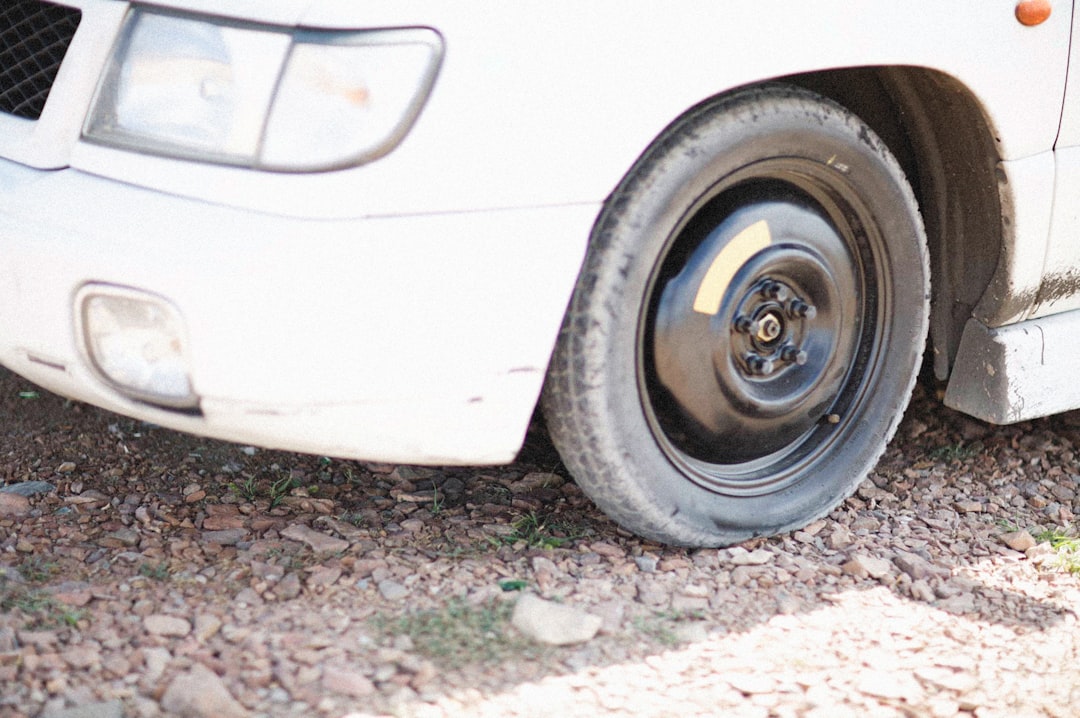
Photo by Alexey Demidov on Unsplash