
Master Wet Roads: Driving Safety Tips
Rainy days demand extra caution on King and Pierce County roads. Learn how to adapt your driving habits and ensure your vehicle is prepared for wet conditions, keeping you safe and sound.
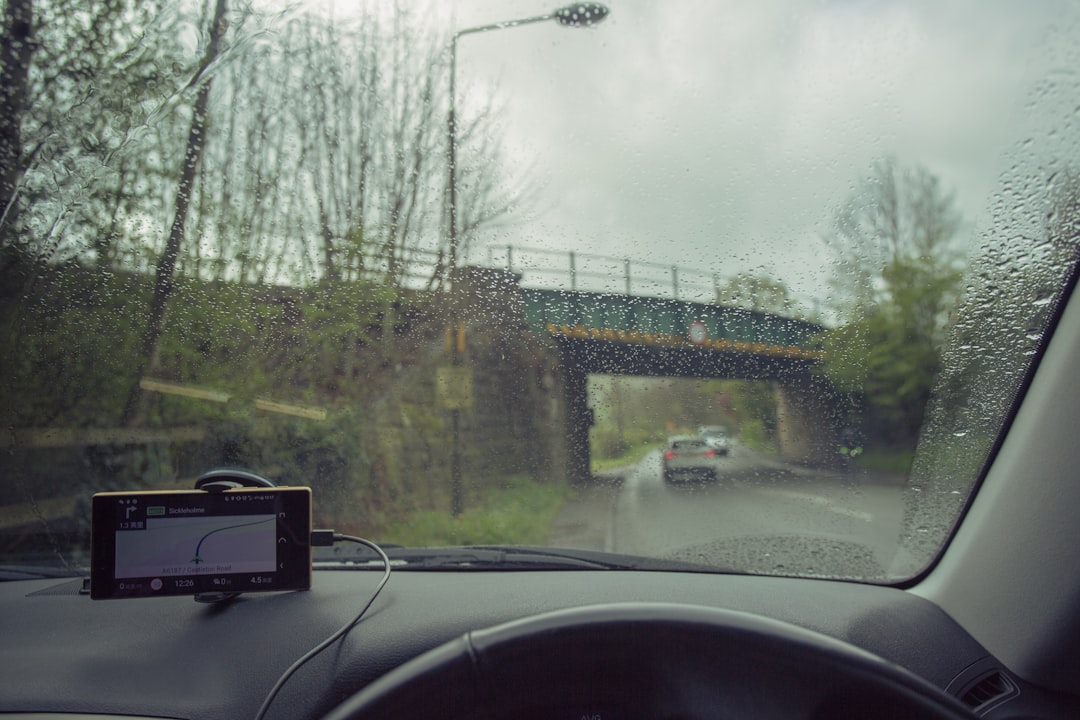
Master Wet Roads: Driving Safety Tips for King and Pierce County
The Pacific Northwest, with its iconic evergreen landscapes, is no stranger to precipitation. For residents of King County and Pierce County, including bustling cities like Seattle and Tacoma, navigating wet roads is a regular, albeit sometimes challenging, part of life. While a gentle drizzle can be picturesque, heavier downpours can transform familiar streets into hazardous zones. Driving in wet conditions requires more than just turning on your wipers; it demands a heightened sense of awareness, vehicle preparedness, and adjusted driving techniques. At TireSquad, your mobile tire experts serving Seattle, Bellevue, Tacoma, and beyond, we believe that staying safe on the road starts with knowing how to handle it, especially when the weather turns damp.
The Science of Slick: Why Wet Roads are Dangerous
Understanding the physics behind reduced traction is the first step to safer wet-weather driving. When rain falls on a dry road, it mixes with oil, grease, and rubber particles that have accumulated over time. This creates a slick, almost soapy layer on the road surface, particularly dangerous in the first 30 minutes of a rainfall. As the rain continues, it washes away some of this residue, but the primary challenge remains: water acts as a lubricant between your tires and the road.
Hydroplaning: The Perilous Float
Hydroplaning is perhaps the most alarming phenomenon drivers can experience in wet conditions. It occurs when a layer of water builds up between your tires and the road surface faster than your tire treads can channel it away. This causes your tires to lose contact with the road, resulting in a complete loss of steering and braking control. Imagine your car essentially riding on a thin sheet of water – that’s hydroplaning. Factors like tire tread depth, tire inflation, vehicle speed, and the depth of the water on the road all contribute to the risk of hydroplaning.
Reduced Visibility: Seeing and Being Seen
Heavy rain, fog, and spray from other vehicles significantly impair visibility. This not only makes it harder for you to see potential hazards, pedestrians, or changing traffic conditions but also makes it harder for other drivers to see you. The glare from headlights and taillights on wet surfaces can be disorienting, further compromising your ability to react in time.
Increased Braking Distances
The presence of water dramatically increases the distance it takes for your vehicle to come to a complete stop. Even with well-maintained brakes, the friction between your tires and the road is significantly reduced, meaning your brakes have less grip to work with. This is why maintaining a safe following distance becomes absolutely critical.
Preparing Your Vehicle for Wet Weather Driving
Before you even encounter a downpour on your commute from Renton to Redmond or while running errands in Puyallup, ensuring your vehicle is in optimal condition is paramount. Proactive maintenance is your best defense against the hazards of wet roads.
Tires: Your First Line of Defense
Your tires are the only point of contact your vehicle has with the road, making their condition critical, especially in adverse weather. At TireSquad, we can’t stress enough the importance of good tires.
- Tread Depth: Adequate tread depth is essential for channeling water away from the tire’s contact patch. Worn tires with shallow treads are far more susceptible to hydroplaning. Check your tread depth regularly. A simple “penny test” can give you a good indication: if you can see all of Lincoln’s head when the penny is inserted upside down into a tread groove, your tread is likely too worn.
- Tire Pressure: Properly inflated tires ensure they make optimal contact with the road surface. Under-inflated tires can wear unevenly and increase the risk of hydroplaning, while over-inflated tires reduce the contact patch. Always adhere to the vehicle manufacturer’s recommended tire pressure, usually found on a sticker inside the driver’s side doorjamb.
- Tire Condition: Inspect your tires for any cuts, bulges, or embedded objects. Damaged tires can fail unexpectedly, a risk amplified in challenging driving conditions.
Wiper Blades: Clear Vision is Key
Don’t underestimate the importance of functional windshield wipers. Streaky, worn-out wiper blades can obscure your vision just when you need it most. Replace them annually or whenever you notice them skipping, smearing, or chattering.
Lights: Illuminate Your Path and Be Seen
Ensure all your vehicle’s lights are clean and functioning correctly – headlights, taillights, and brake lights. Clean headlights provide better illumination, and functional taillights and brake lights ensure other drivers can see your intentions, especially during the gray, overcast days common in Western Washington.
Brakes: Stopping Power You Can Trust
Worn brake pads or rotors can significantly compromise your stopping ability on wet roads. Have your braking system inspected regularly by a qualified mechanic.
Adapting Your Driving Techniques for Wet Conditions
Vehicle preparation is only half the battle. Your driving habits must also adapt to the increased risks associated with wet weather. Think of it as a mental shift, a conscious effort to drive more defensively and smoothly.
Slow Down: The Golden Rule
This is the single most important piece of advice. Speed is the primary factor in hydroplaning and the biggest contributor to accidents in wet weather. Reduce your speed significantly, especially on highways and in areas known for standing water, like low-lying parts of Tacoma or along the Duwamish River in Seattle.
Increase Following Distance
Leave yourself ample room to stop. On dry roads, a 2-3 second following distance is standard. In wet conditions, double that to at least 4-6 seconds. This buffer provides the necessary time and space to react to sudden braking or hazards ahead.
Gentle Inputs: Smooth is Safe
Avoid abrupt acceleration, braking, or steering. Smooth, deliberate movements are key. Sudden actions can easily break traction on slick surfaces. If you need to brake, do so gently and early. If you need to change lanes, signal well in advance and make the maneuver smoothly.
Be Wary of Standing Water
Avoid driving through deep puddles or standing water whenever possible. Not only can it cause hydroplaning, but it can also hide potholes or debris that could damage your vehicle, particularly your tires and wheels. If you must drive through water, do so slowly and in a straight line.
Engage Cruise Control Sparingly (or Not at All)
Cruise control can be dangerous in wet conditions. If your tires lose traction while cruise control is engaged, the system might try to maintain speed, potentially exacerbating a skid. It’s best to maintain manual control of your speed.
Be Mindful of Other Drivers
Other drivers may not be as prepared or as cautious. Be aware of vehicles around you, especially large trucks that can create significant spray, reducing visibility for those behind them. Anticipate potential mistakes from others.
Turn on Headlights
Even if it’s not raining heavily, turn on your headlights to increase your visibility to others. This is a simple yet effective way to enhance safety during overcast or rainy days common in the Seattle area.
What to Do If You Start to Hydroplane
Experiencing hydroplaning can be frightening, but knowing how to react can help you regain control.
- Do NOT slam on the brakes. This will likely make you lose control entirely.
- Do NOT jerk the steering wheel. Make small, gentle adjustments.
- Ease off the accelerator pedal gradually. Let the car slow down on its own.
- Steer gently in the direction you want the car to go. If the car is skidding to the right, steer slightly to the right.
- Once you feel the tires regain traction, you can gently apply the brakes if needed.
Your Trusted Partner for All Tire Needs in King and Pierce County
Navigating the wet roads of King and Pierce County requires confidence in your vehicle, and that confidence starts with your tires. Whether you’re commuting in Bellevue, heading to an appointment in Tacoma, or simply enjoying a scenic drive, having properly maintained tires is non-negotiable. If you suspect your tires are worn, under-inflated, or if you’ve encountered a flat tire, don’t wait for the next downpour to address it.
TireSquad offers convenient, professional mobile tire services right at your location. From tire replacement and rotation to flat repairs and TPMS service, our expert technicians come to you in Seattle, Tacoma, and all surrounding areas. Book your appointment today at tiresquad.fieldd.co or call us at (206) 650-1302. Drive safely, especially when the weather calls for it!