
Run-Flat Tires: Pros, Cons, and Are They Right?
Run-flat tires offer the ability to drive short distances after a puncture, but they come with trade-offs. This guide breaks down the pros and cons to help you decide if they're the right fit for your vehicle.
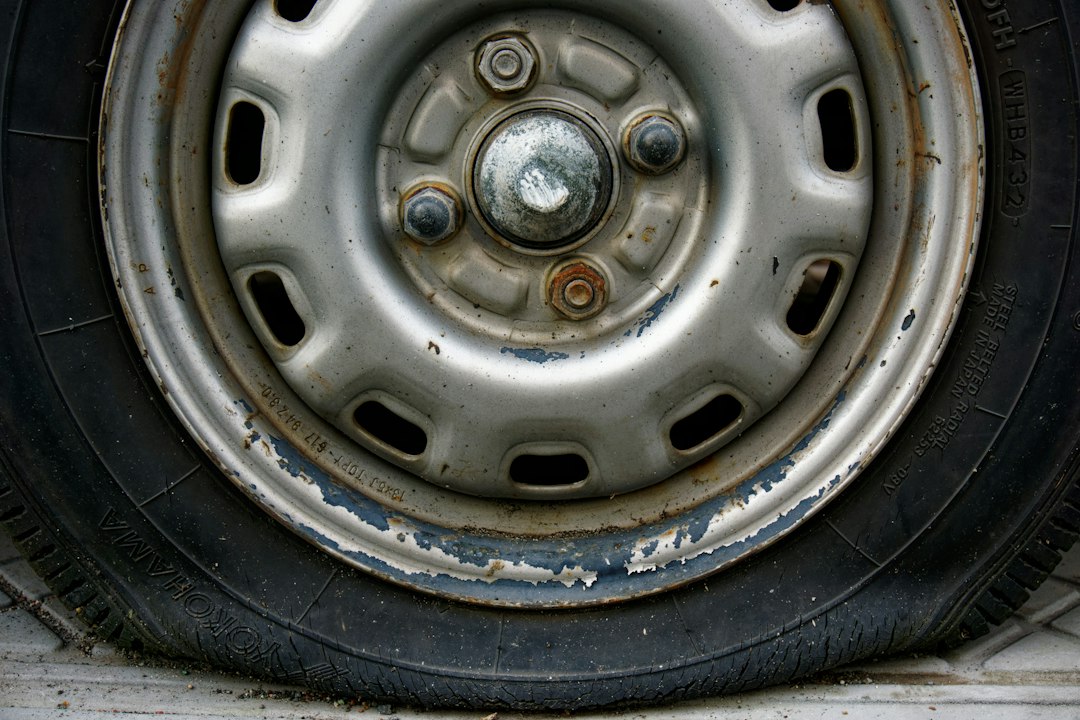
Run-Flat Tires: Pros, Cons, and Are They Right for You?
Run-flat tires allow you to continue driving for a limited distance at a reduced speed even after a complete loss of air pressure. This capability provides a significant safety and convenience benefit, potentially eliminating the need to stop immediately on the side of a busy road, especially when driving through areas like Seattle or Tacoma where pulling over safely can be challenging.
However, run-flat technology is not without its drawbacks. Understanding the advantages and disadvantages is crucial before deciding if these specialized tires are the best option for your vehicle. This comprehensive guide will explore everything you need to know about run-flat tires.
What Exactly Are Run-Flat Tires?
Run-flat tires, also known as zero-pressure tires or extended mobility tires, are designed with reinforced sidewalls. These strengthened sidewalls can support the vehicle’s weight for a limited time and distance after the tire has lost all air pressure. This means you can often drive for around 50 miles at speeds up to 50 mph on a flat tire, depending on the specific tire manufacturer’s recommendations and the load the tire is carrying. This is a stark contrast to conventional tires, which would be completely unusable and potentially damage your vehicle’s wheels if deflated.
There are two primary types of run-flat technology:
- Self-supporting: These tires have thick, reinforced sidewalls that can carry the vehicle’s load without air pressure. The reinforcement prevents the sidewall from collapsing.
- Support ring: These tires have an internal support ring made of a hard, rubbery material mounted on the inner circumference of the tire. This ring bears the vehicle’s weight when the tire loses air pressure.
It is important to note that vehicles equipped with run-flat tires require a Tire Pressure Monitoring System (TPMS). This system is essential because the driver may not always feel or hear when a run-flat tire has lost pressure due to its reinforced construction. The TPMS alerts the driver to a low-pressure situation.
The Advantages of Run-Flat Tires
Enhanced Safety and Convenience
The most significant benefit of run-flat tires is the increased safety they offer. Instead of being stranded on the side of a busy highway like I-5 or I-405, especially during inclement weather common in the Seattle metro area, you can drive to a safer location. This avoids the risk of being exposed to traffic or navigating a flat tire in a potentially unsafe area. For many drivers, the peace of mind knowing they can reach a service station or their home after a puncture is invaluable.
No Need for a Spare Tire
Many vehicles designed to use run-flat tires do not come with a spare tire. This allows manufacturers to save space and weight. This can lead to improved fuel efficiency and more cargo space in your vehicle, which can be a significant advantage for families or those who frequently use their trunk for hauling items around King County or Pierce County.
Improved Vehicle Stability
In the event of a puncture, the reinforced sidewalls of run-flat tires help maintain the tire’s shape, preventing the vehicle from suddenly swerving or losing control. This stability is critical for maintaining driver control, particularly at higher speeds or during emergency maneuvers.
The Disadvantages of Run-Flat Tires
Higher Cost
Run-flat tires are generally more expensive than standard tires. The advanced technology and materials used in their construction contribute to a higher purchase price. According to Consumer Reports, the cost can be significantly higher, sometimes doubling the price of comparable conventional tires.
Stiffer Ride Quality
The reinforced sidewalls that make run-flats work also make them stiffer. This can result in a harsher, less comfortable ride compared to standard tires, especially on uneven surfaces or rough roads that are common throughout Washington state. Some drivers find this noticeable difference in ride comfort to be a significant drawback.
Limited Availability and Repair Options
Not all tire shops carry a wide selection of run-flat tires. Finding replacements, especially specific sizes or brands, can be more challenging than with conventional tires. Furthermore, the repairability of run-flat tires is often debated. While some punctures might be repairable, many manufacturers and experts recommend replacing a run-flat tire once it has been driven on with zero pressure, as the internal structure may have been compromised. The Tire Industry Association (TIA) generally advises caution when repairing tires that have been run flat, emphasizing inspection for internal damage.
Difficulty in Detecting Leaks
As mentioned earlier, run-flat tires require a TPMS. Without this system, drivers might not realize they have a flat tire until significant damage has occurred. Even with TPMS, drivers may not feel the loss of pressure immediately, leading to overdriving the tire beyond its safe limit for temporary mobility.
Potential for Wheel Damage
If a run-flat tire is driven for too long or too fast after losing pressure, the internal structure can be severely damaged. This can lead to the tire disintegrating and potentially causing damage to the vehicle’s rims, suspension, or other components. Replacing a damaged rim can add significantly to the overall repair cost.
Who Should Consider Run-Flat Tires?
Run-flat tires are a good option for drivers who prioritize safety and convenience above all else. They are particularly beneficial for:
- Drivers who frequently travel long distances or in areas with limited roadside assistance.
- Individuals who are uncomfortable or unable to change a tire themselves.
- Drivers of performance vehicles where maintaining stability after a puncture is critical.
- Those looking to optimize cargo space by eliminating the need for a spare tire.
Who Might Want to Stick with Conventional Tires?
If ride comfort, lower cost, and easier tire replacement are your top priorities, conventional tires might be a better fit. Drivers who:
- Prefer a softer, more comfortable ride.
- Are on a tighter budget for tire purchases and replacements.
- Are comfortable and capable of changing a flat tire themselves or have readily accessible roadside assistance.
- Drive in areas where tire shops are plentiful and standard tire availability is not an issue.
Practical Tips for Run-Flat Tire Owners
Always Monitor Your TPMS
Pay close attention to your vehicle’s Tire Pressure Monitoring System. If it alerts you to low pressure, pull over as soon as it is safe to do so, even if you do not feel any difference in the ride. Inspect the tire for visible damage.
Know Your Run-Flat Limits
Familiarize yourself with the specific distance and speed limitations for your run-flat tires. These are usually found in your vehicle’s owner’s manual or on the tire manufacturer’s website. Do not exceed these limits.
Plan for Replacement
If you drive on a run-flat tire with zero pressure, assume it needs to be replaced. Even if it appears intact, the internal structure may be compromised. It’s best to have it inspected by a professional immediately. For drivers in the Seattle and Tacoma areas, finding a mobile service like TireSquad can be incredibly convenient for this.
Consider Ride Comfort Adjustments
If you find the ride too stiff, you might consider if your vehicle’s suspension can be adjusted. Some drivers have found that certain suspension settings can mitigate the harshness caused by run-flat tires.
Frequently Asked Questions About Run-Flat Tires
Can I put run-flat tires on a car that didn’t come with them?
Yes, but it’s generally not recommended unless your vehicle is equipped with a TPMS. Driving without a TPMS on run-flats makes it impossible to know when you have a flat, negating the primary safety benefit and risking severe damage.
How long can I drive on a flat run-flat tire?
Most run-flat tires are designed to be driven for approximately 50 miles at speeds up to 50 mph after a complete loss of air pressure. Always consult your tire manufacturer’s specifications.
Are run-flat tires worth the extra cost?
This depends on your priorities. If safety, convenience, and the ability to avoid changing a tire in adverse conditions or unsafe locations are paramount, they may be worth the investment. If ride comfort and cost are more important, then conventional tires are likely a better choice.
Can run-flat tires be repaired?
Some minor punctures in run-flat tires can be repaired, but it is often not recommended, especially if the tire has been driven on with zero pressure. Internal damage can be hard to detect, and a compromised tire is a safety risk. Tire manufacturers and industry experts often advise replacement after any significant deflation.
The Bottom Line on Run-Flat Tires
Run-flat tires offer a unique set of benefits centered on safety and convenience, particularly for those who want to avoid the hassle or danger of changing a tire on the roadside. However, these advantages come at the cost of a stiffer ride, higher price, and potentially limited repair options. When considering whether run-flat tires are the right choice for your vehicle, weigh these pros and cons against your personal driving habits, priorities, and budget. Remember, if you do experience a flat tire, whether run-flat or conventional, and need immediate assistance, TireSquad’s mobile tire service is here to help you get back on the road safely and conveniently across King County and Pierce County.
Want more like this? Add TireSquad as a preferred source on Google.